
October 28, 2023
Montepulciano
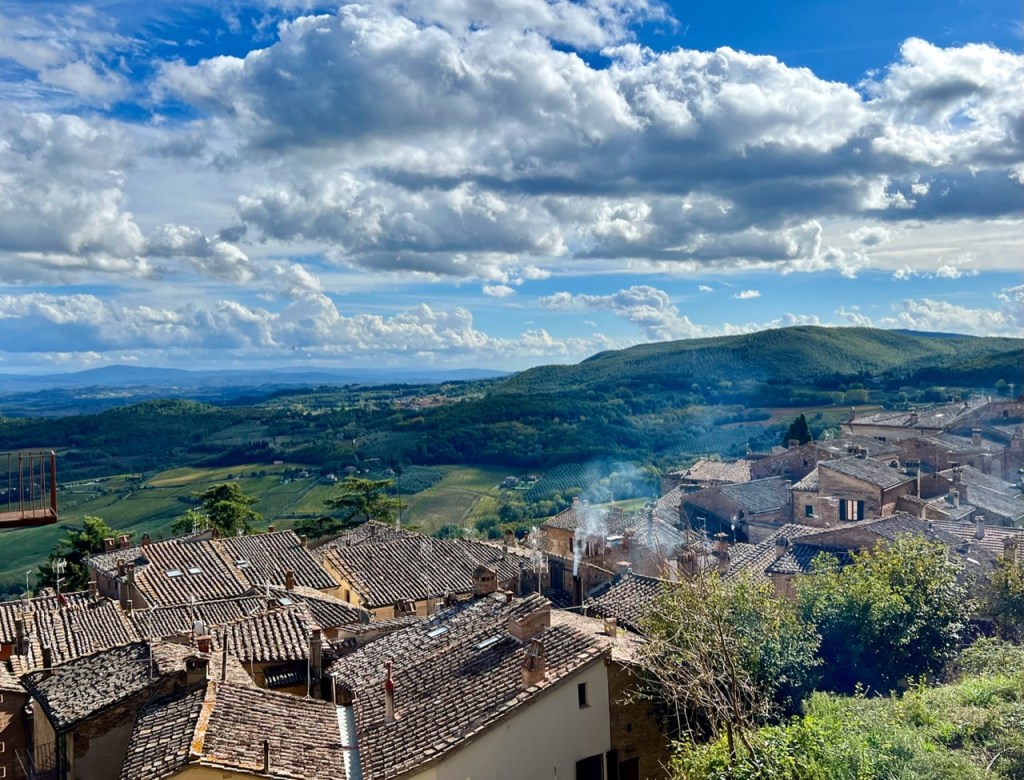
Today we are headed to Montepulciano to a winery that Elaine’s brother and his wife visited recently. Montepulciano is a medieval hilltop Tuscan town, surrounded by vineyards, that is known for its vino nobile red wine. After a nice breakfast at the farm, we pile into our trusty Peugeot. When entering the address into google maps, I see that the settings include “avoiding highways”! This may be why we have been hitting every roundabout in Tuscany! With that corrected, our journey includes some highway driving and the miles slip by faster but still with some breathtaking scenery especially as we near our destination.


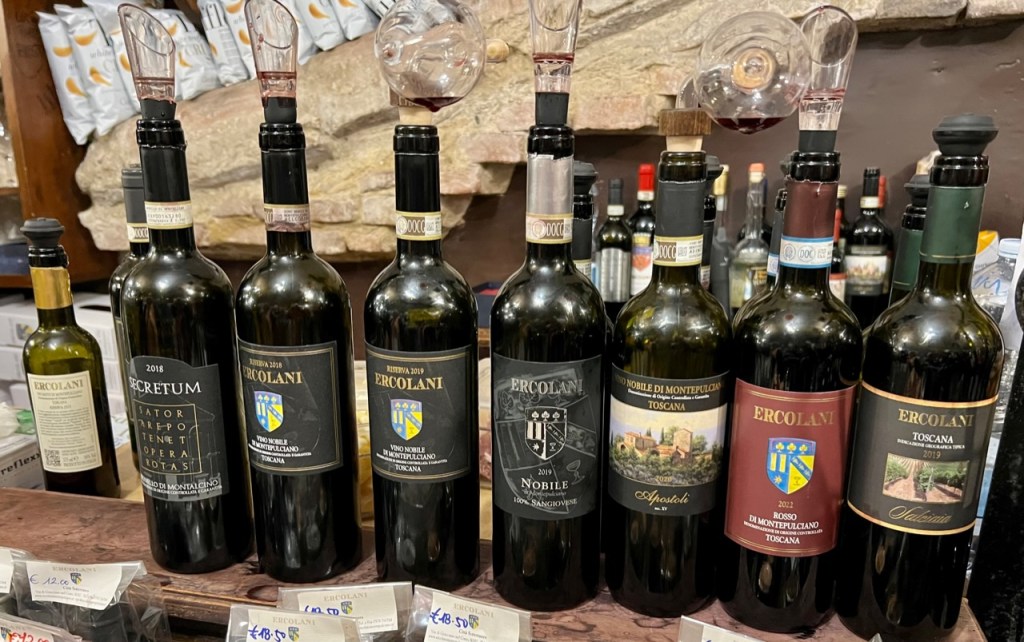
Google maps bring us right to the gate of Montepulciano where we score the perfect parking spot but where is the winery that we are looking for? Surely not in town! We find the wine shop run by the Ercolani family where we can explore their underground “city” and are advised that no visits to the vineyard are permitted. It looks like we have actually arrived so we book a tour that starts in a 1/2 hour giving us a bit of time to explore the town beforehand.
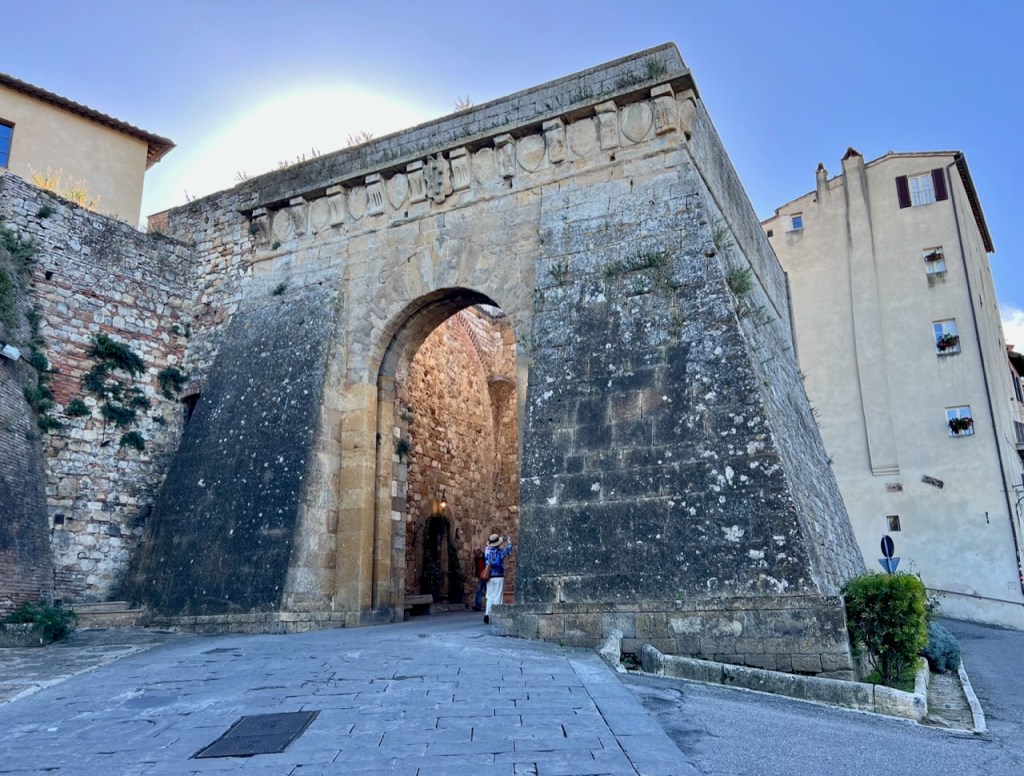

The road to the Piazza Grande is all uphill so up we go with some retail therapy and notable sights along the way. Didn’t make it to the top before the tour so we will do that after.
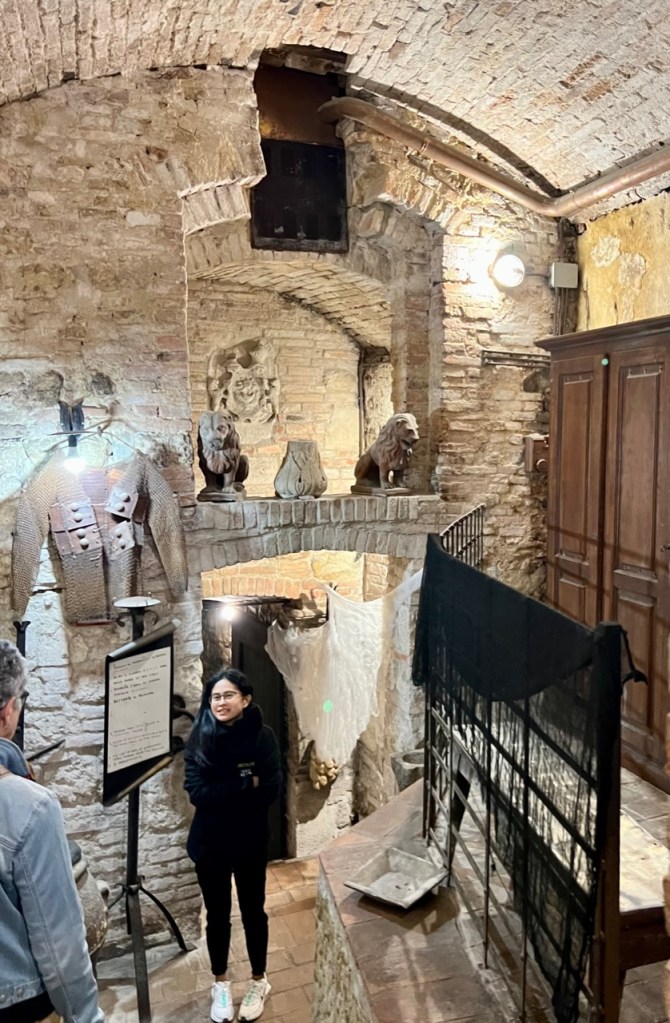
Our guide, Elisa, explains that the underground city has existed since the 1400s. It was built as an escape route for the families living here when the war between Siena and Florence was underway.
Vino Nobile di Montepulciano is one of the oldest wines in Italy and was one of the first DOCG wines in Italy to help preserve the quality of the brand. DOCG designation for Brunello, Vino Nobile and Barolo were all approved by a presidential decree in July 1980.
Vino Nobile must contain a minimum of 70% Sangiovese grapes. The Ercolani family wine is aged for two years in Croatian oak barrels (made in Venice) followed by another year in French oak barrels that have been toasted. The cleaning process for the Croatian oak barrels requires the workers to actually enter the barrels. Given the size of the hole, they must be quite slim an flexible! The glass containers on top of the barrels (colmatore) allow them to see the level of wine in the barrels, which fluctuates with the weather, and adjust as necessary.
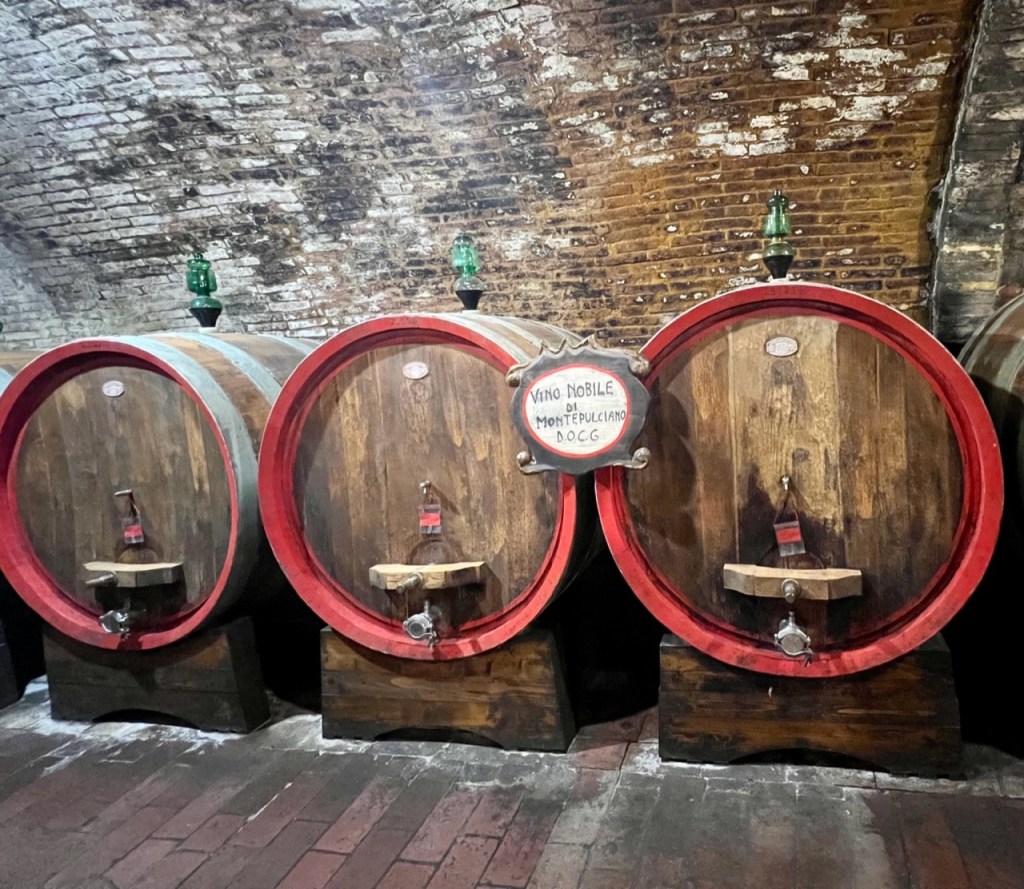

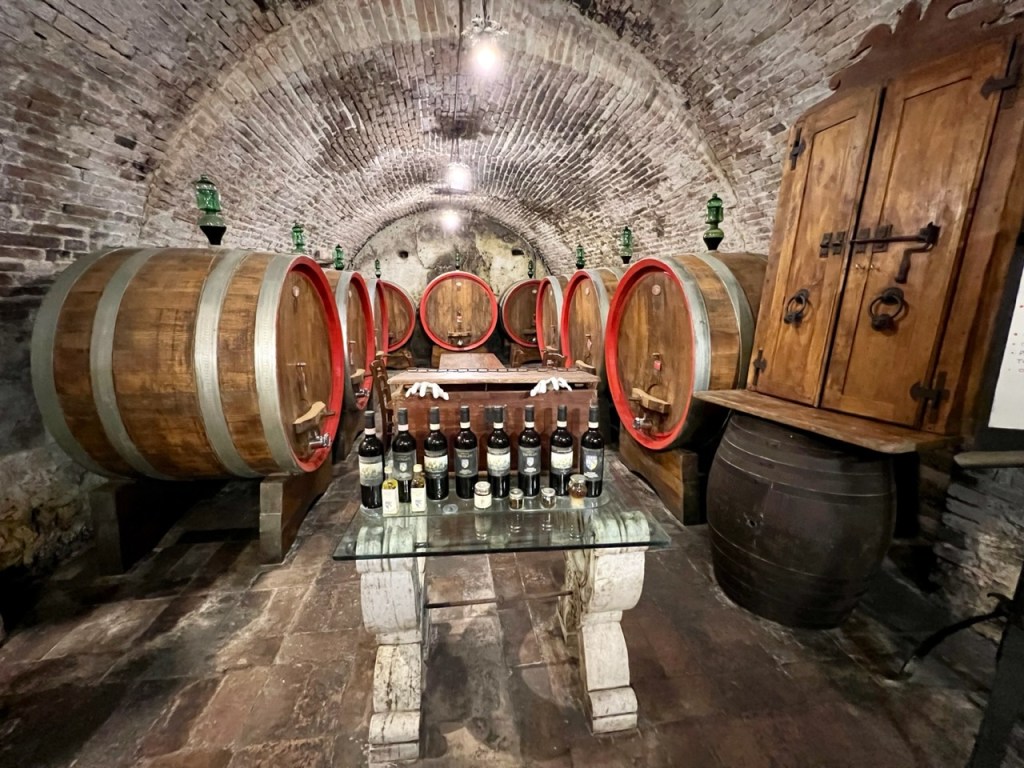
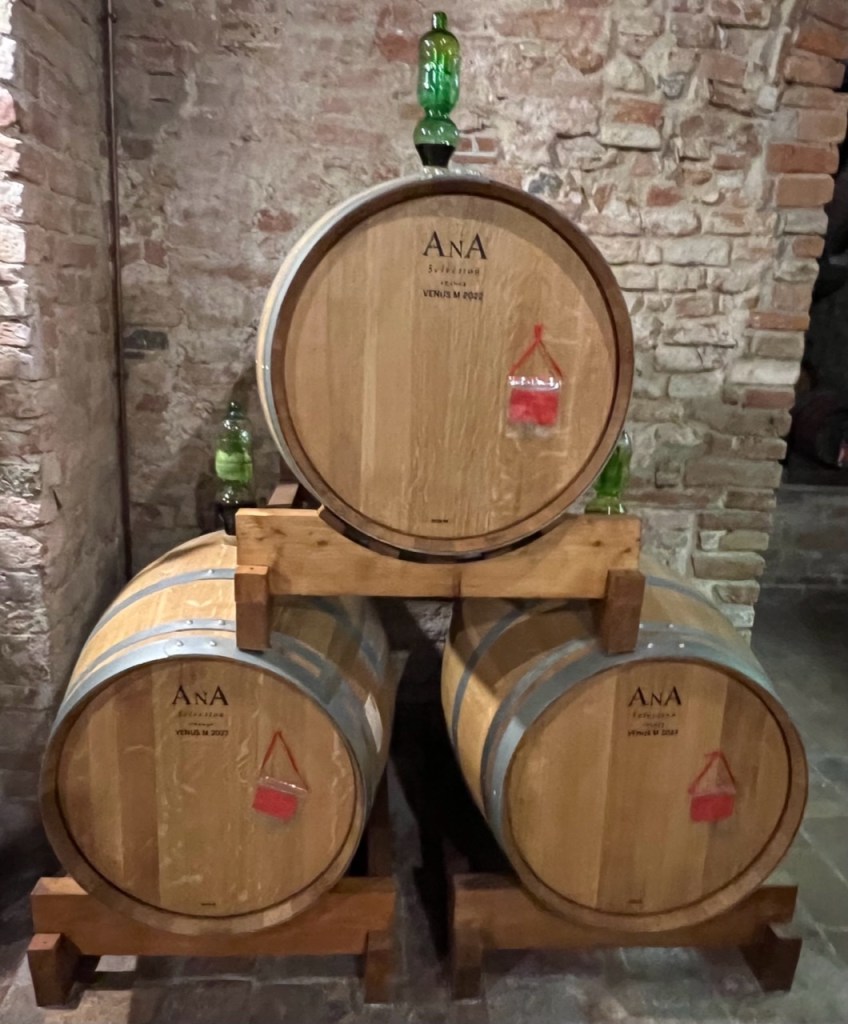
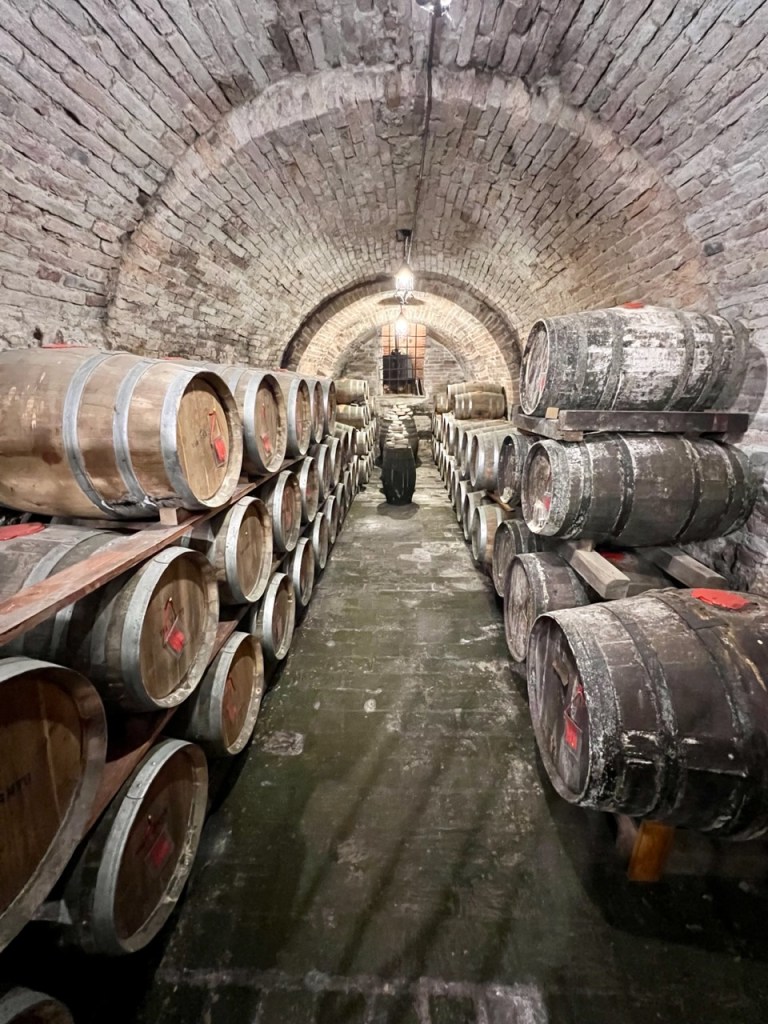
The vineyard has two brands; Ercolani which is made from grapes of the younger (30-35 year old) vines and Apostli from the grapes of 75-80 year old vines. The winery also makes a sweet white wine, Vino Santo, from dried grapes which is aged in smaller barrels for 8 years.
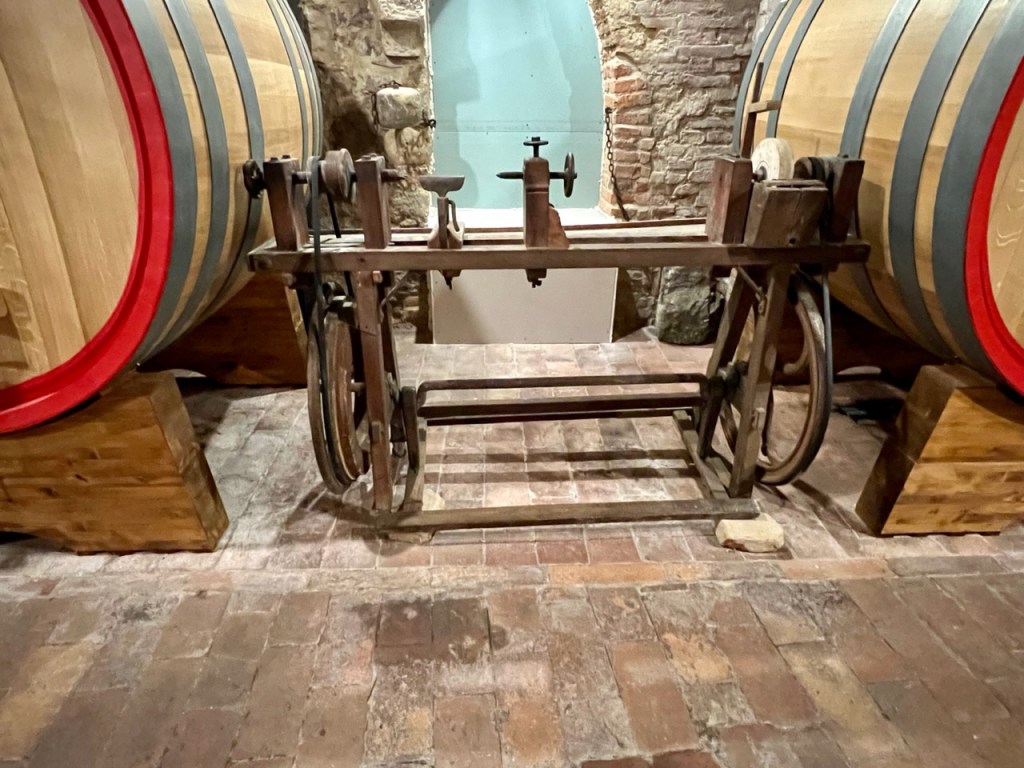
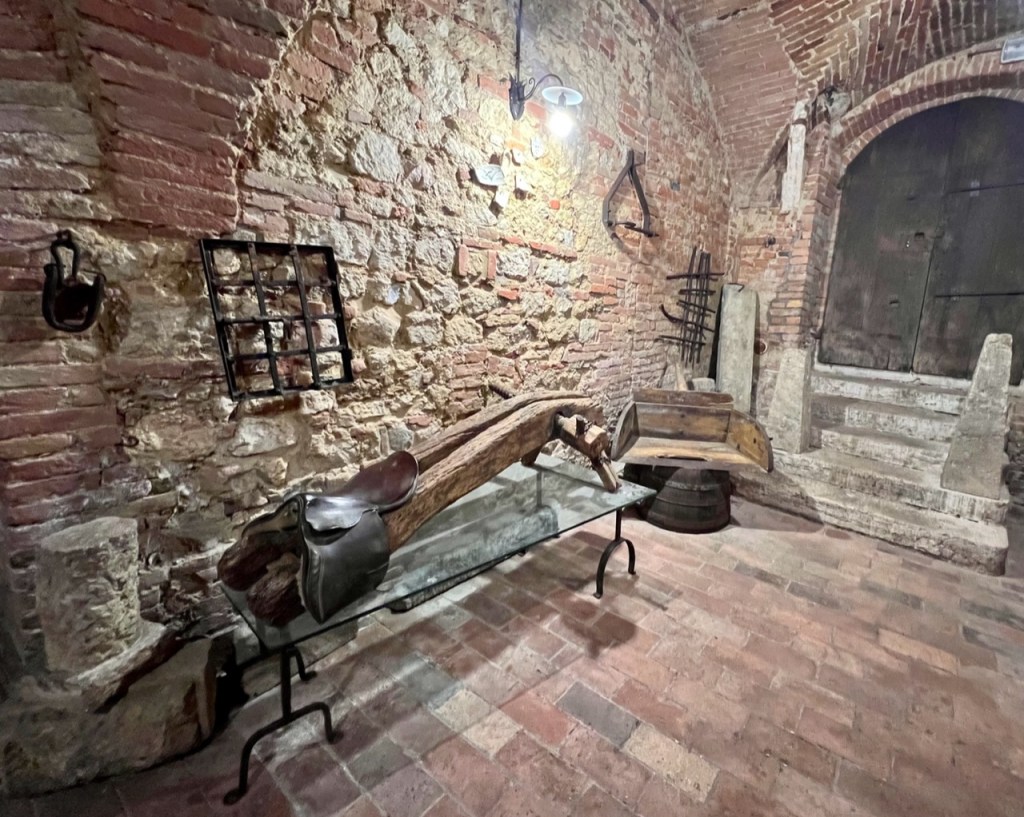
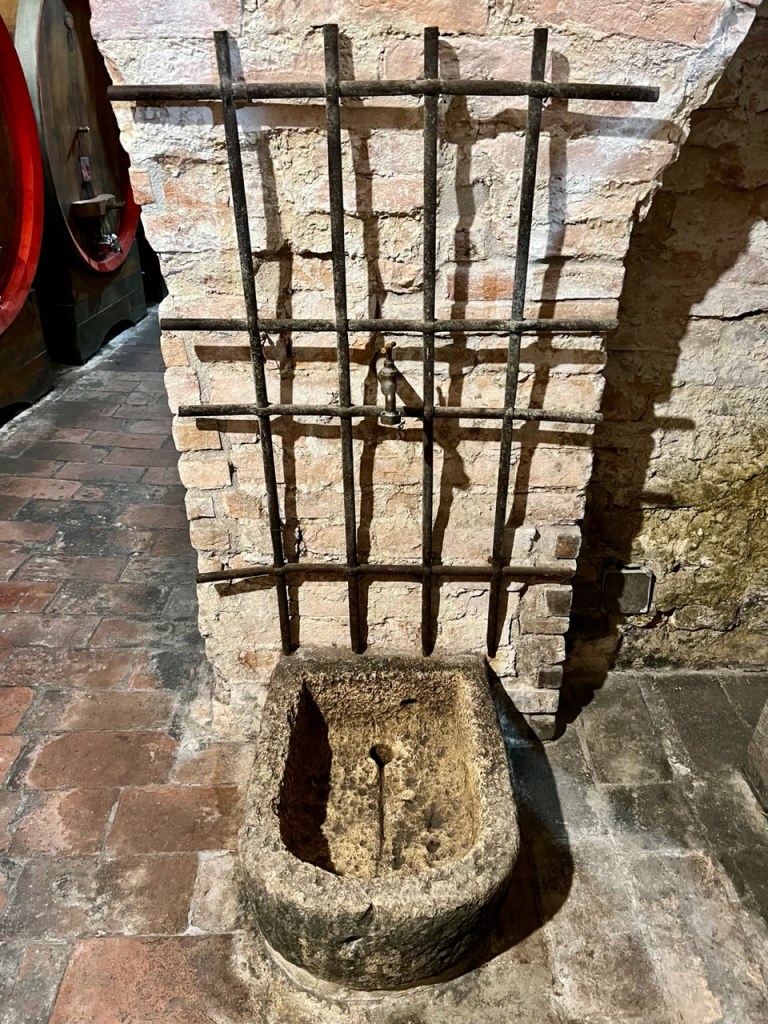

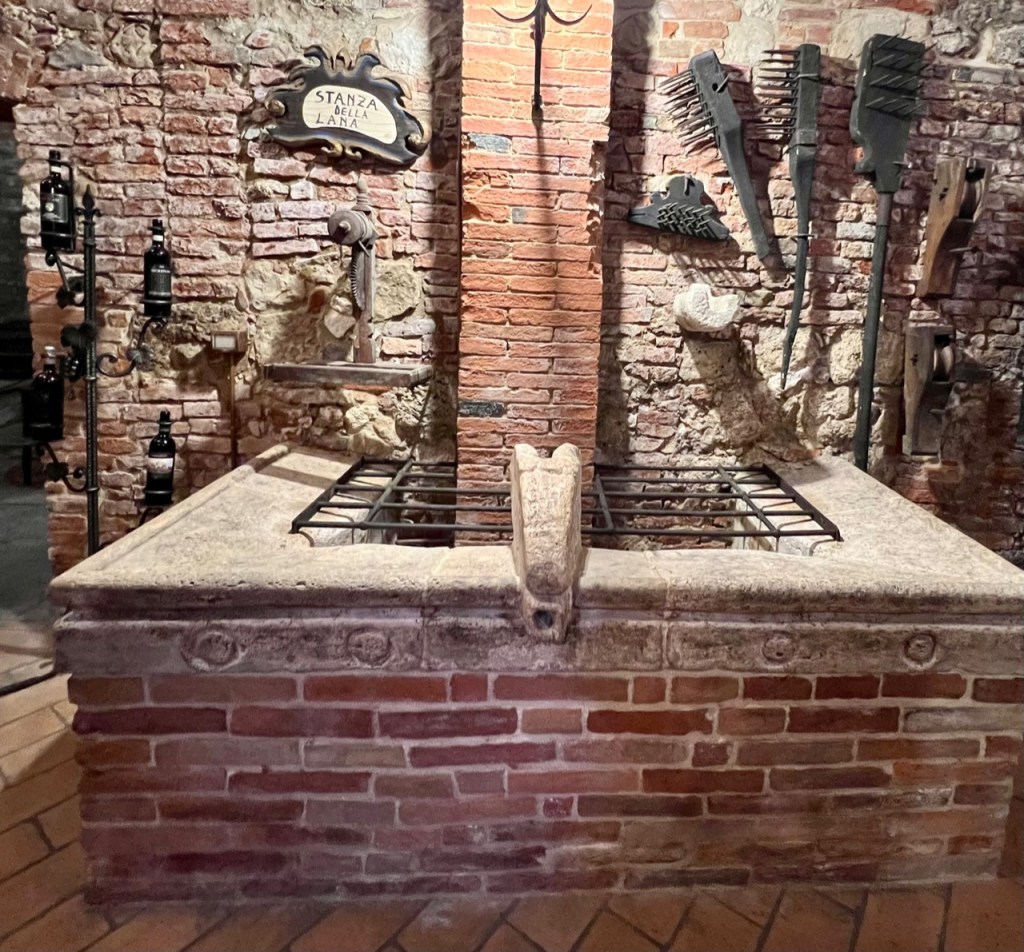

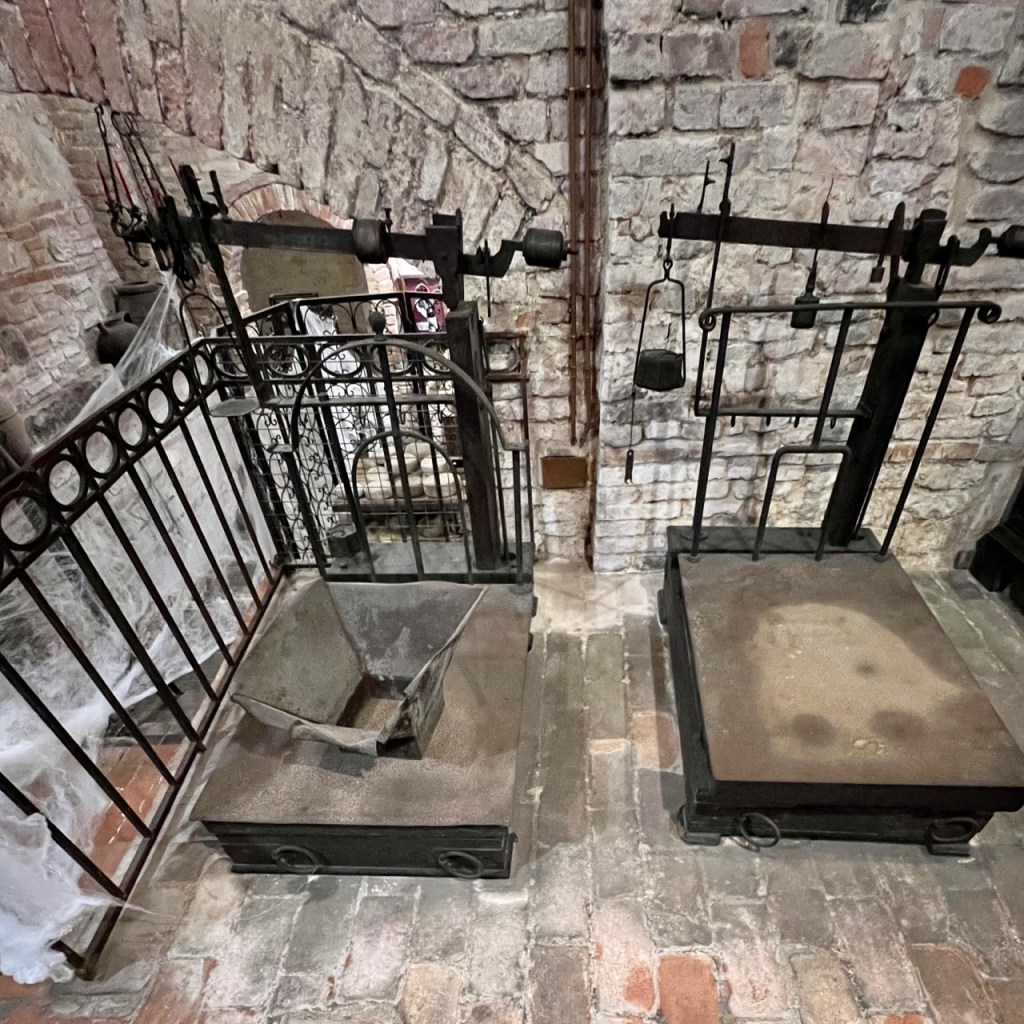


In addition to the wine storage, there is a wool room, a room for olive oils and the Well of Escape is a tank for gathering rain water. During several sieges of the city, the noblemen escaped through here.
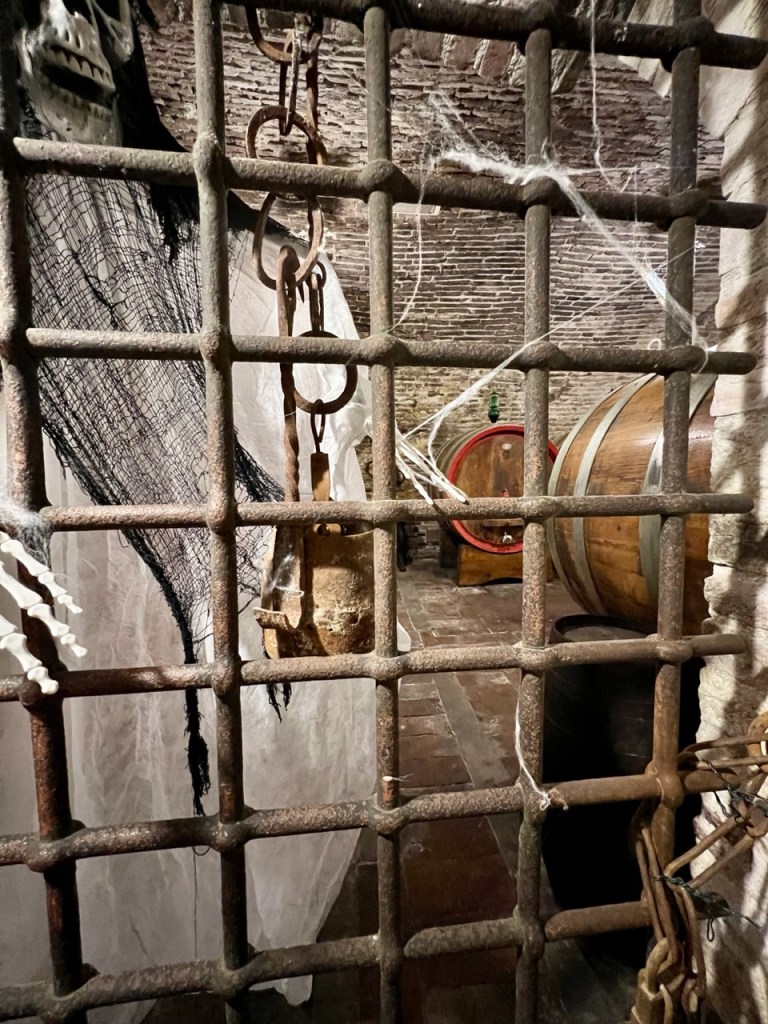
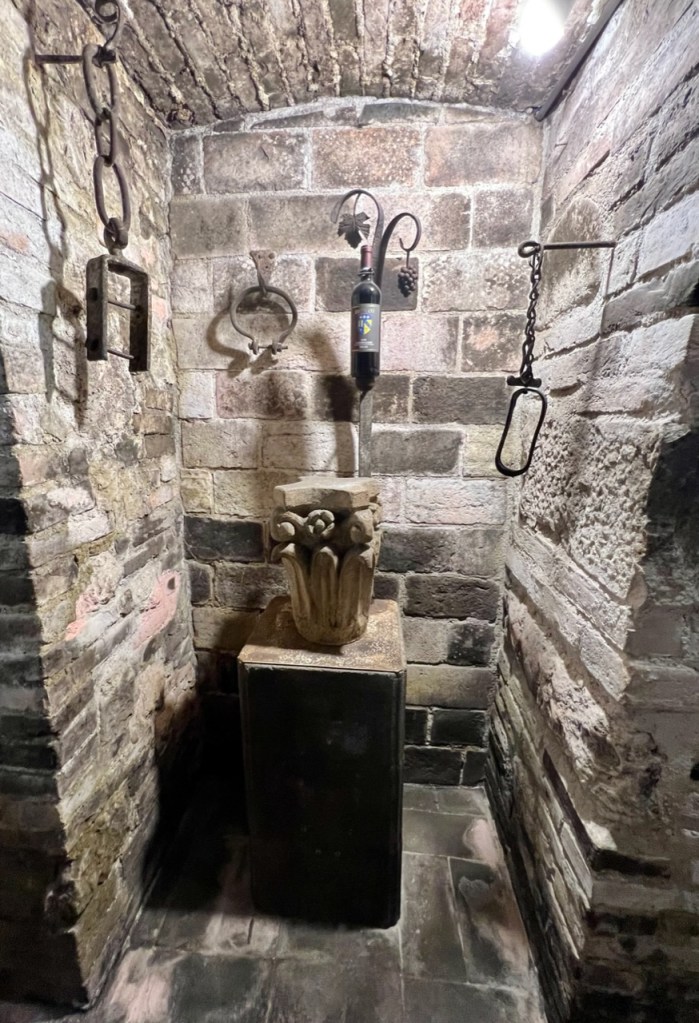
There is also a Museum of Torture in this underground city featuring some of the “toys” used in the Middle Ages. Yikes!
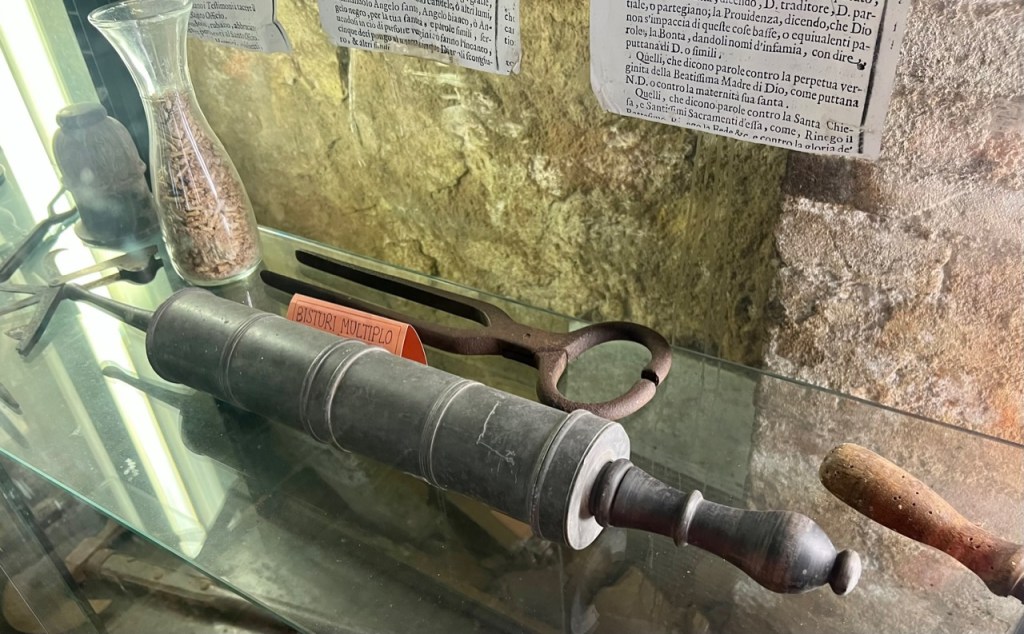
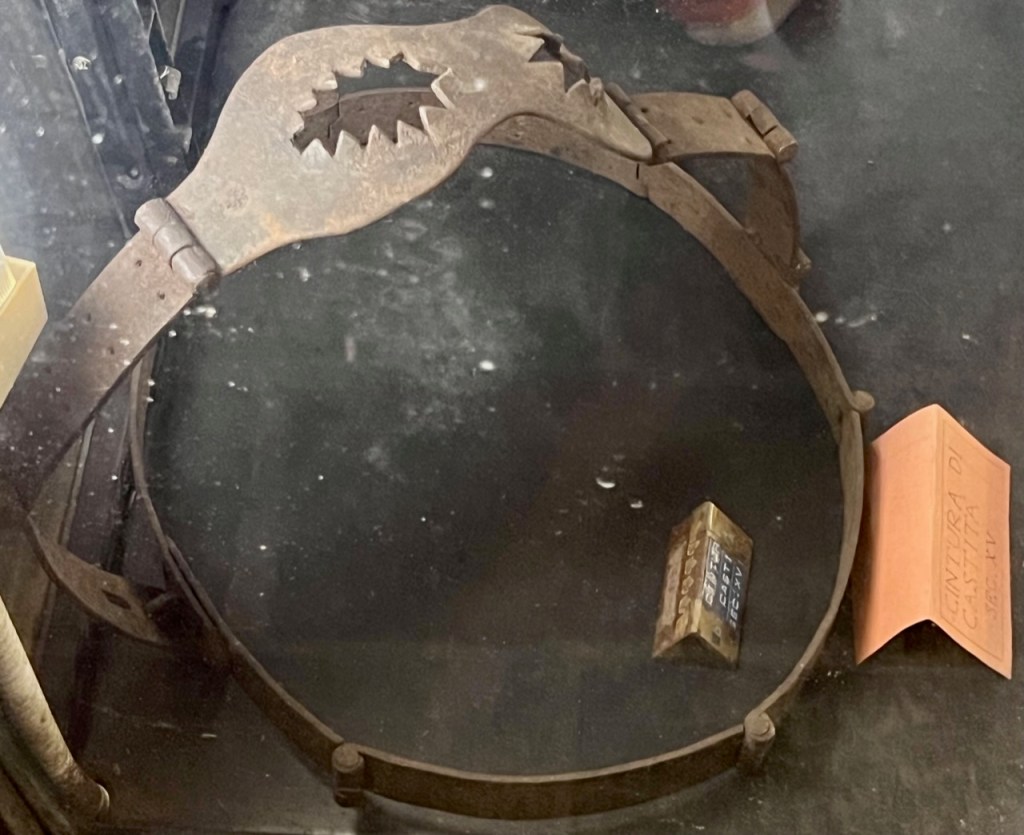
After our tour, we had a lovely wine tasting complete with snacks!! My favourite wine was the 100% Sangiovese wine from the older vines but they were all very drinkable. I would recommend the tour and tasting when you go to this magnificent town!
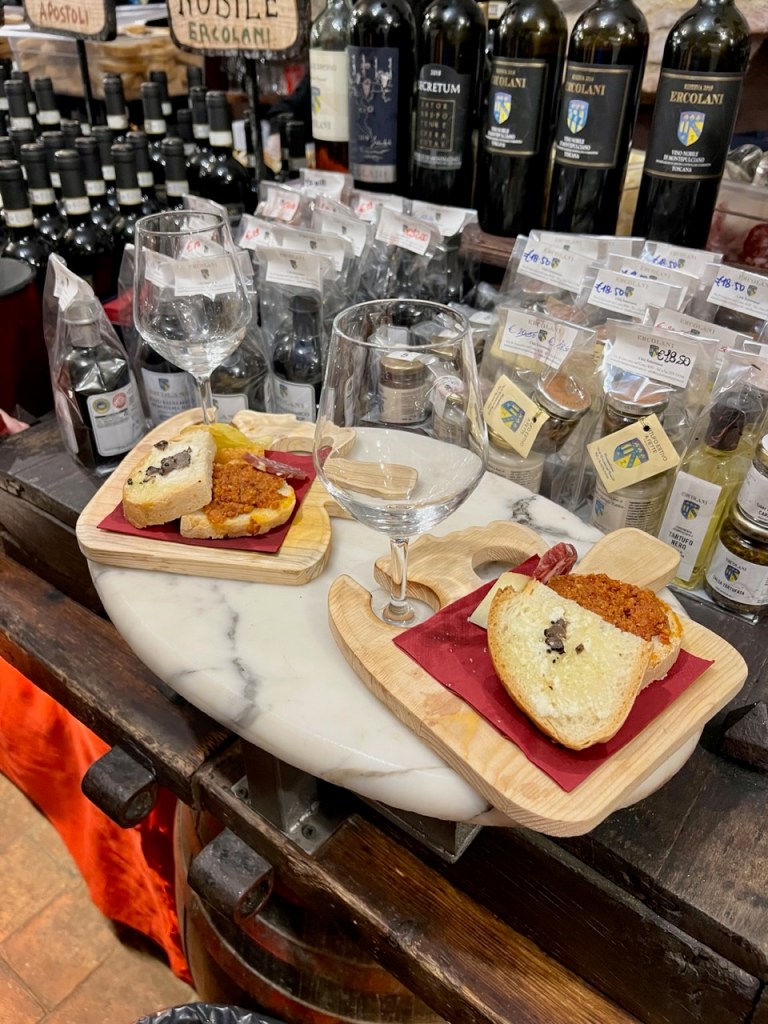

Onward and upward to explore this town clearly built for mountain goats! Beautiful vistas and interesting sights abound.
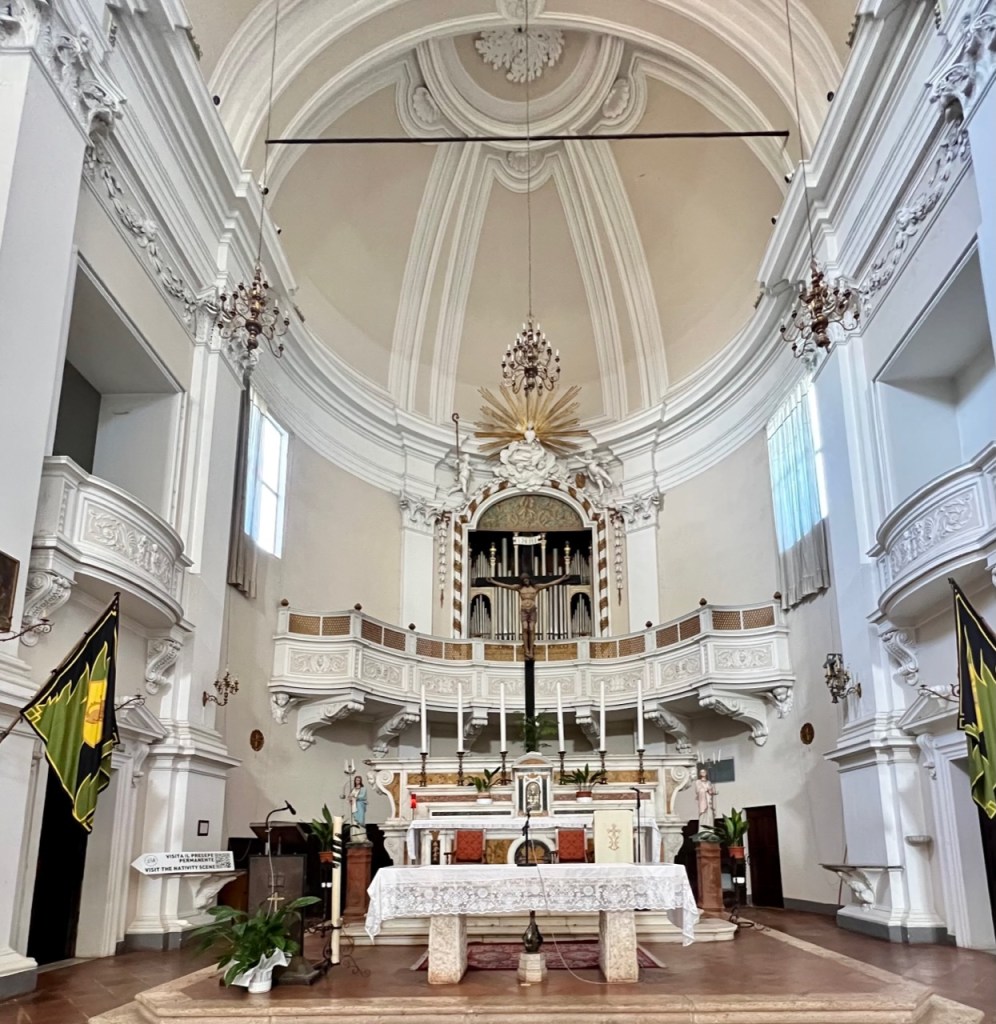
Chiesa di Sant’ Agostino was founded in 1285, it was given its current façade during the 15th century. Its magnificent interior was restored in the 17th century. The stairs and the churchyard are particularly beautiful and provide a great view of the town’s Main Street.


The Torre di Pulcinella is a clock tower topped by a figure of the Pulcinella, a commedia dell’arte character. Strange but true: in Montepulciano there is a 17th century Pulcinella – of clear Neopolitan origin – that strikes the time at the top of a tower. There are various suppositions about the reasons that led to the installation of this automaton, made of wood and clad in sheet metal in the heart of Tuscany. Perhaps a priest from the Campania region wanted to commemorate his home. Maybe it was erected as a symbol of theatre, as an effigy of Montepulciano’s cultural vocation. We really don’t know.

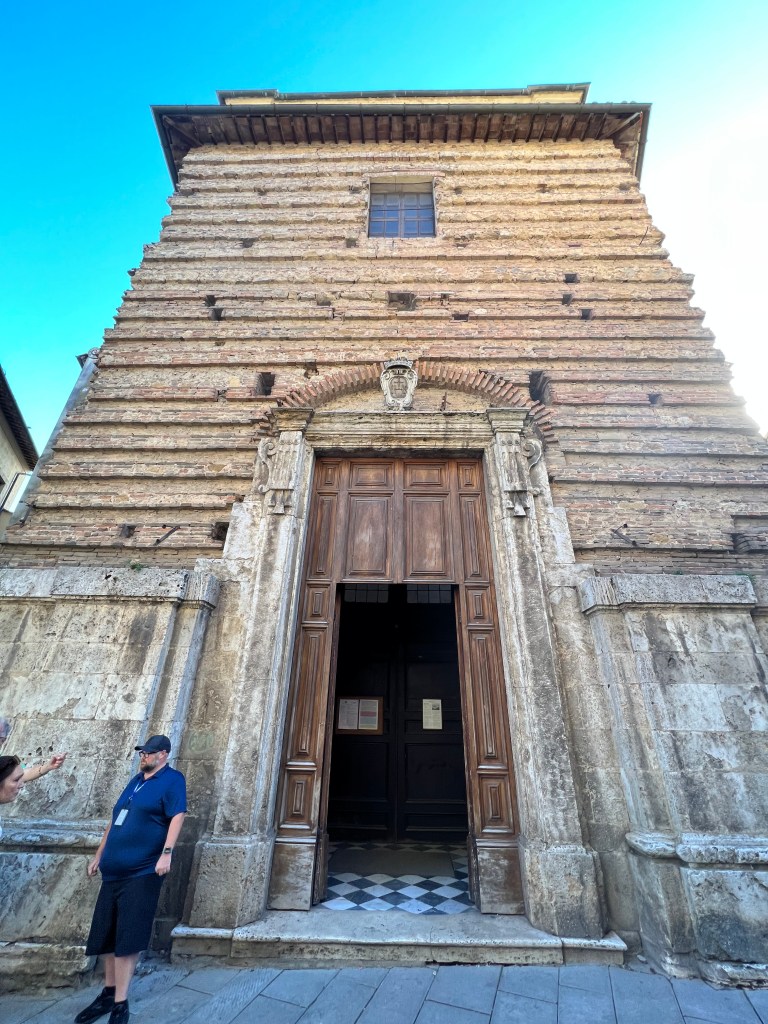
Chiesa del Gesù. As well as being a house of worship much loved by the people of Montepulciano, the excellent acoustics of this church make it a favourite venue for concerts.
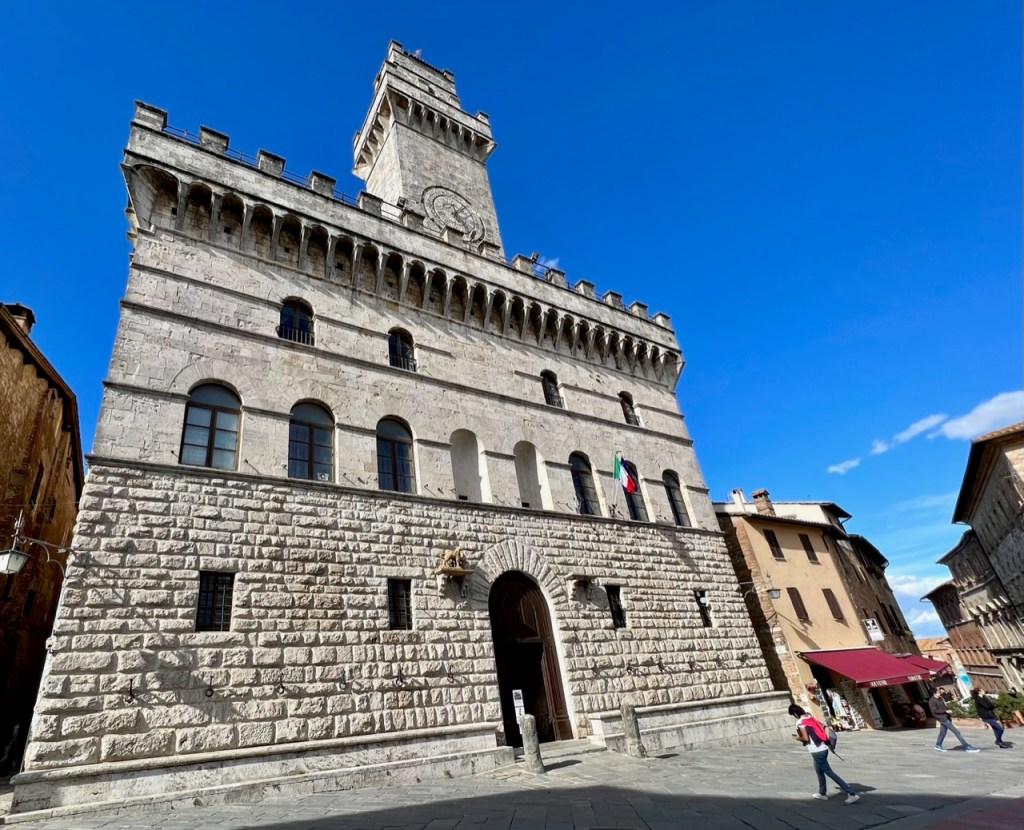
On the Piazza Grande is the 14th-century Palazzo Comunale, with a tower offering views of the surrounding countryside. Also here is the Duomo, with a huge triptych above its altar.

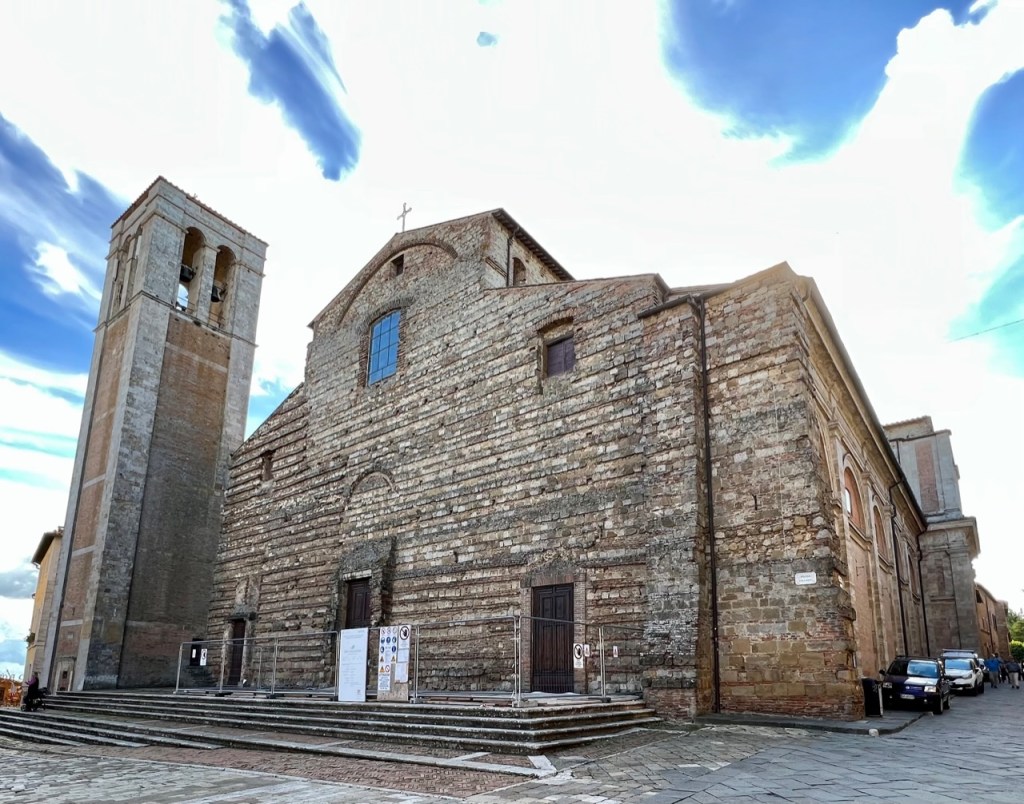
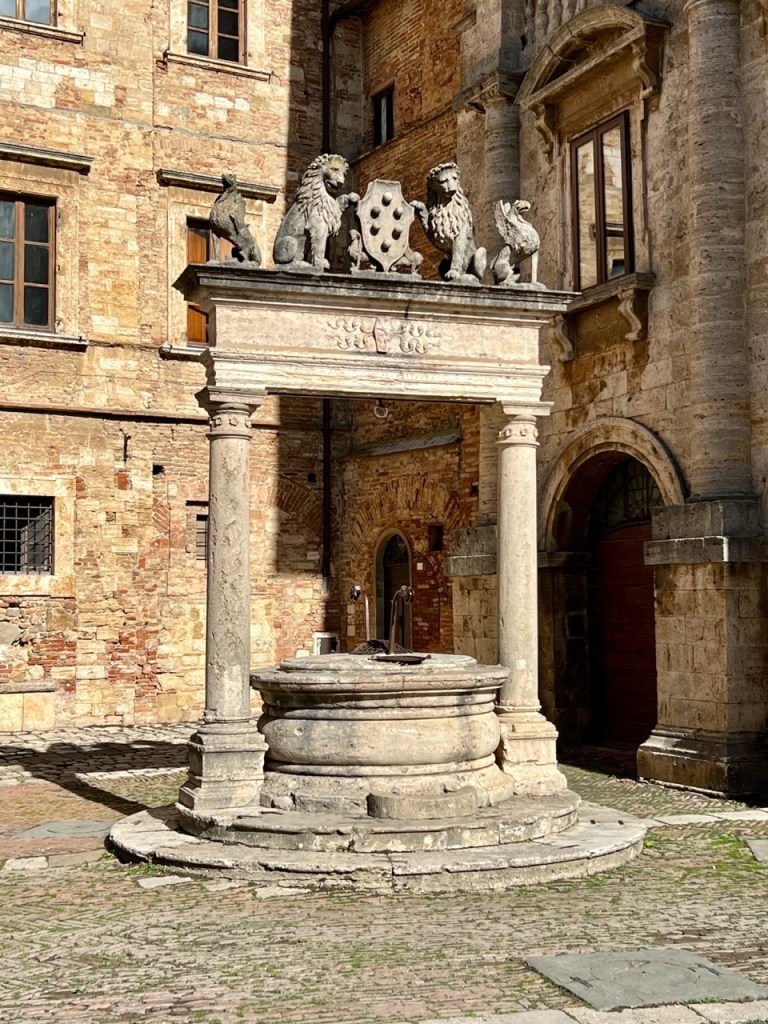
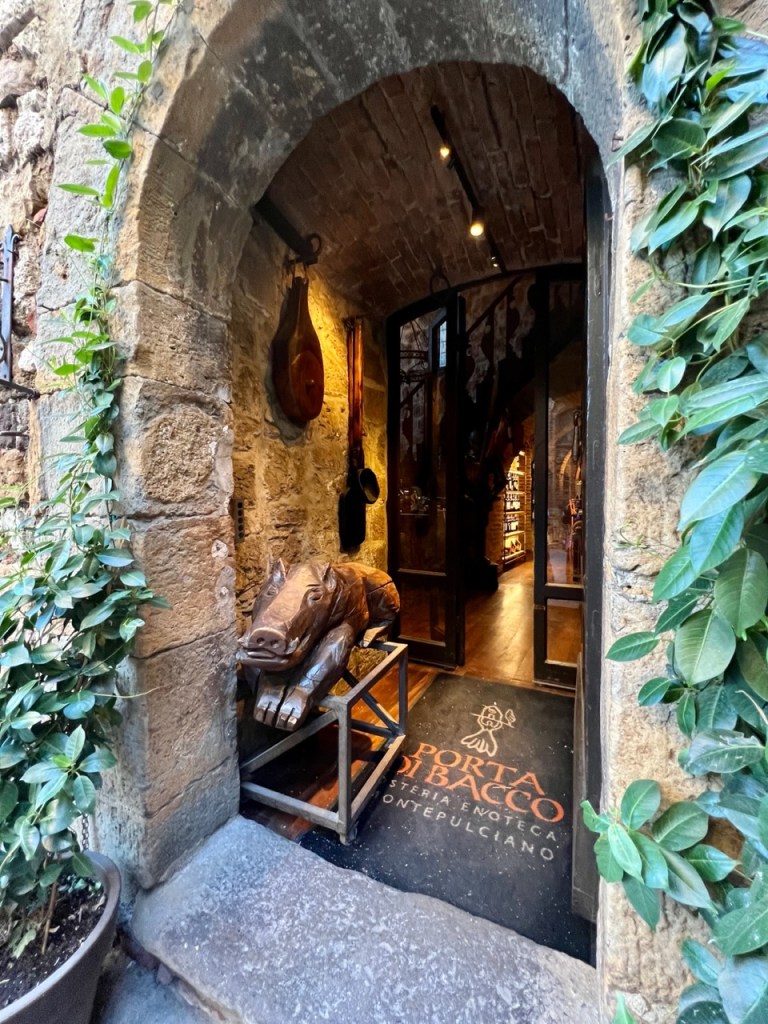
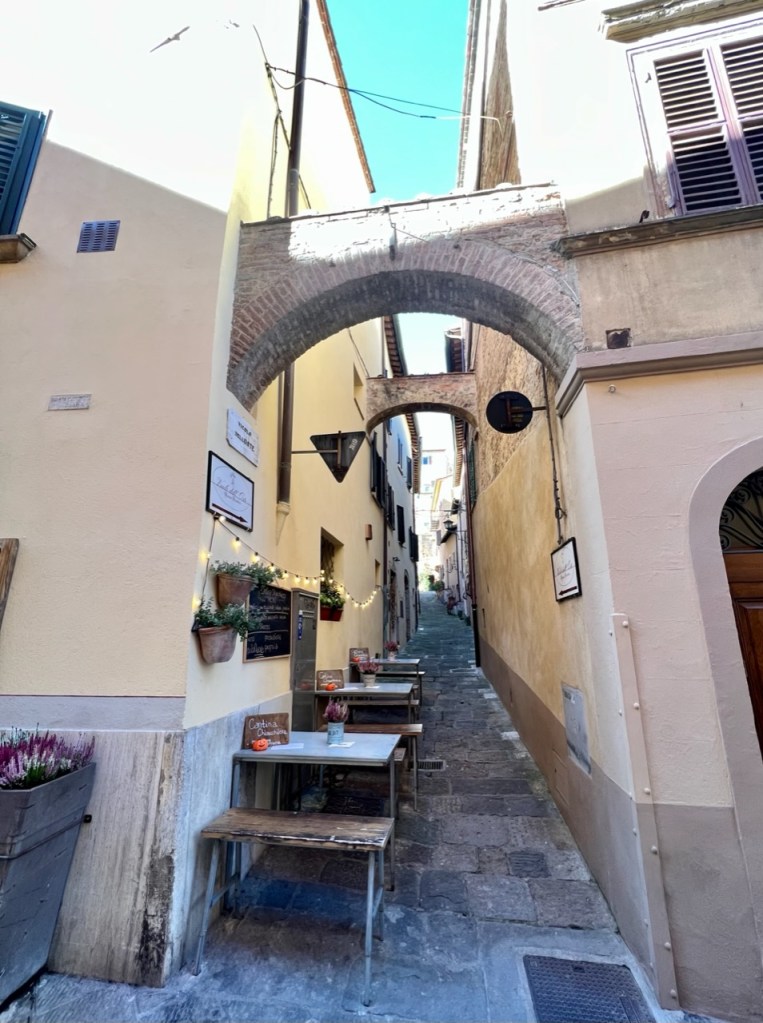
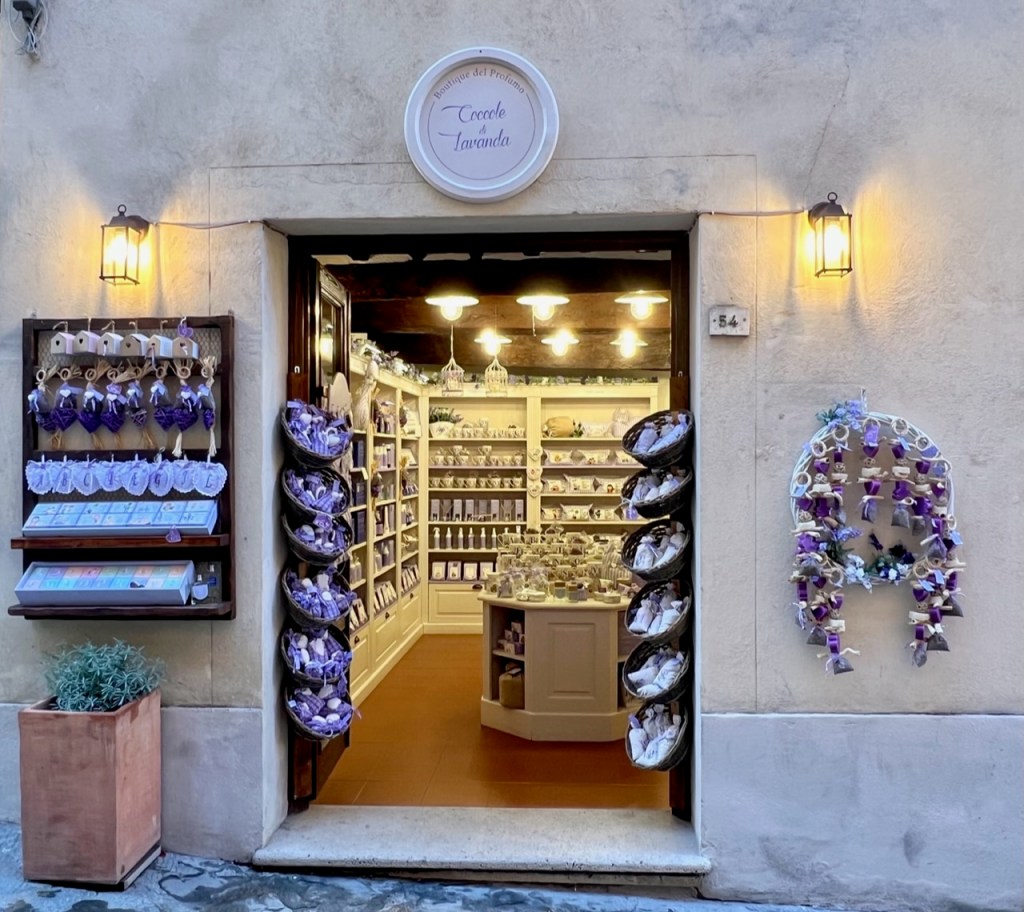
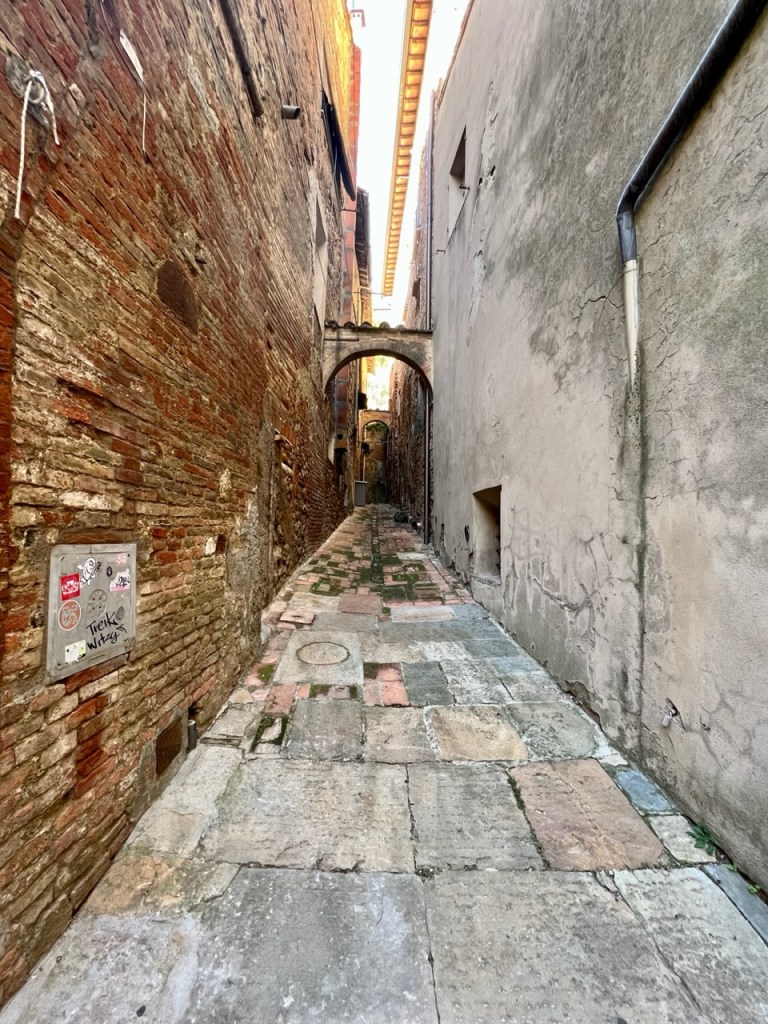
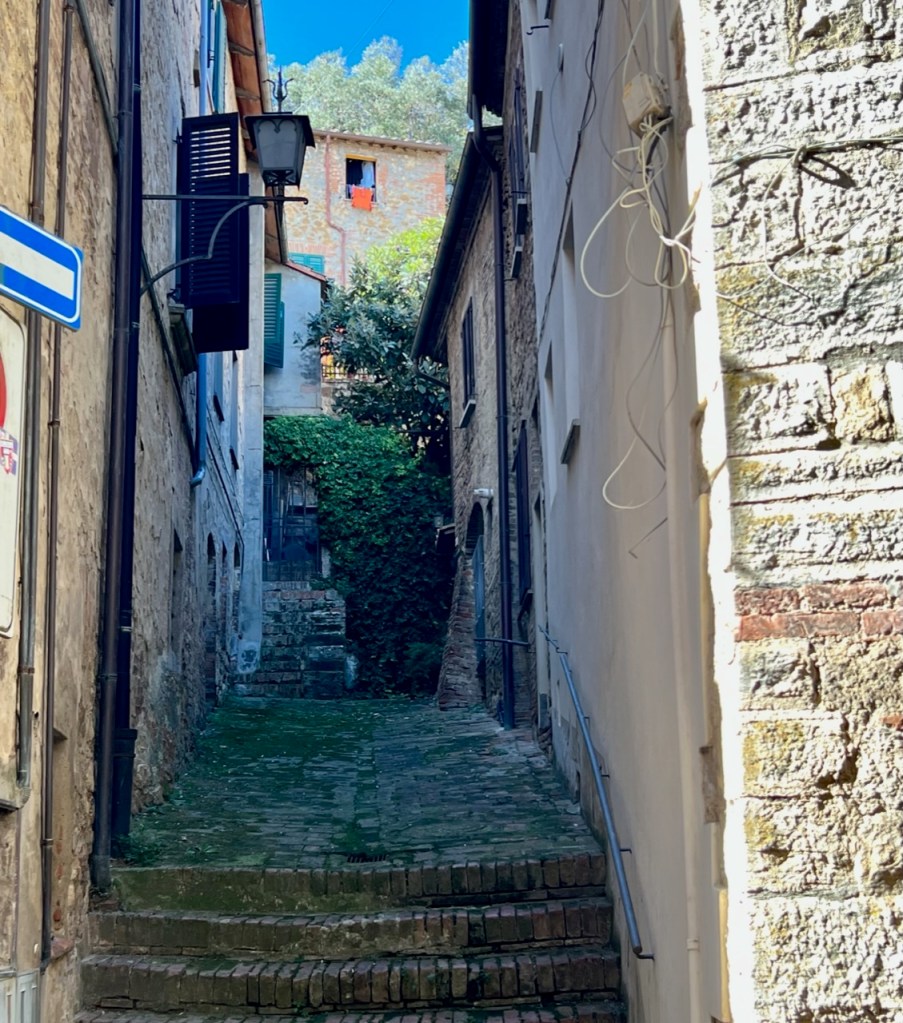
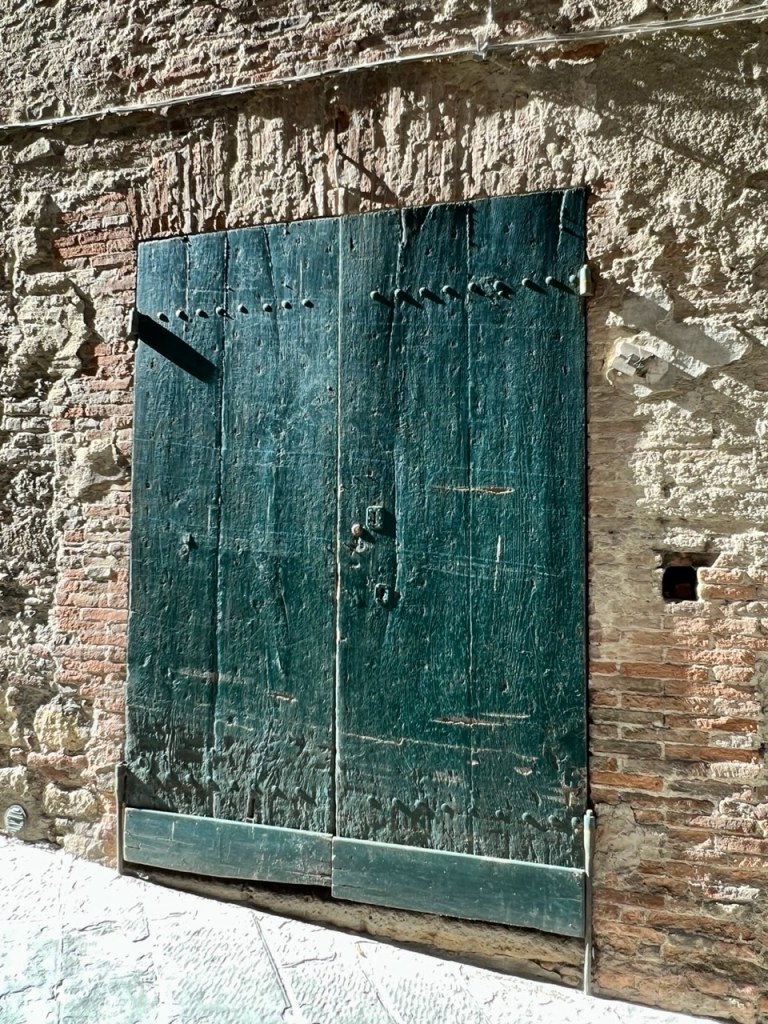
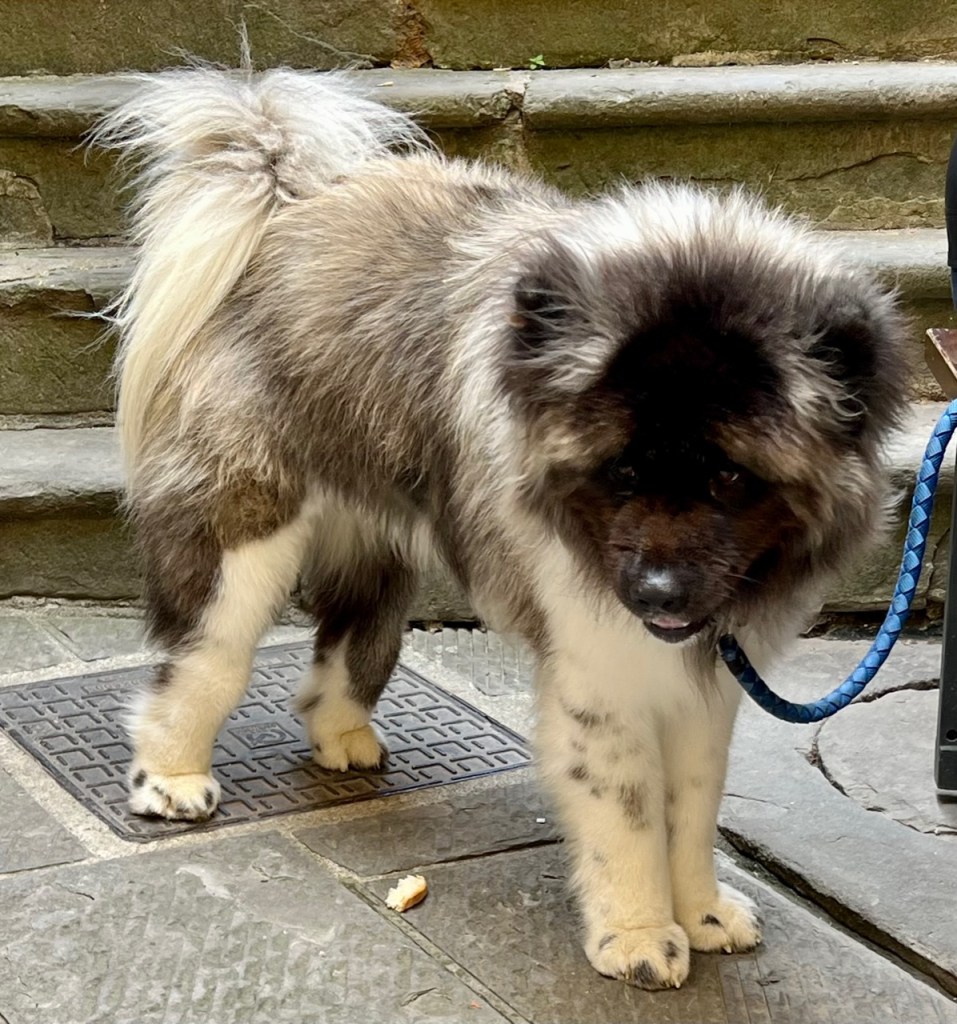
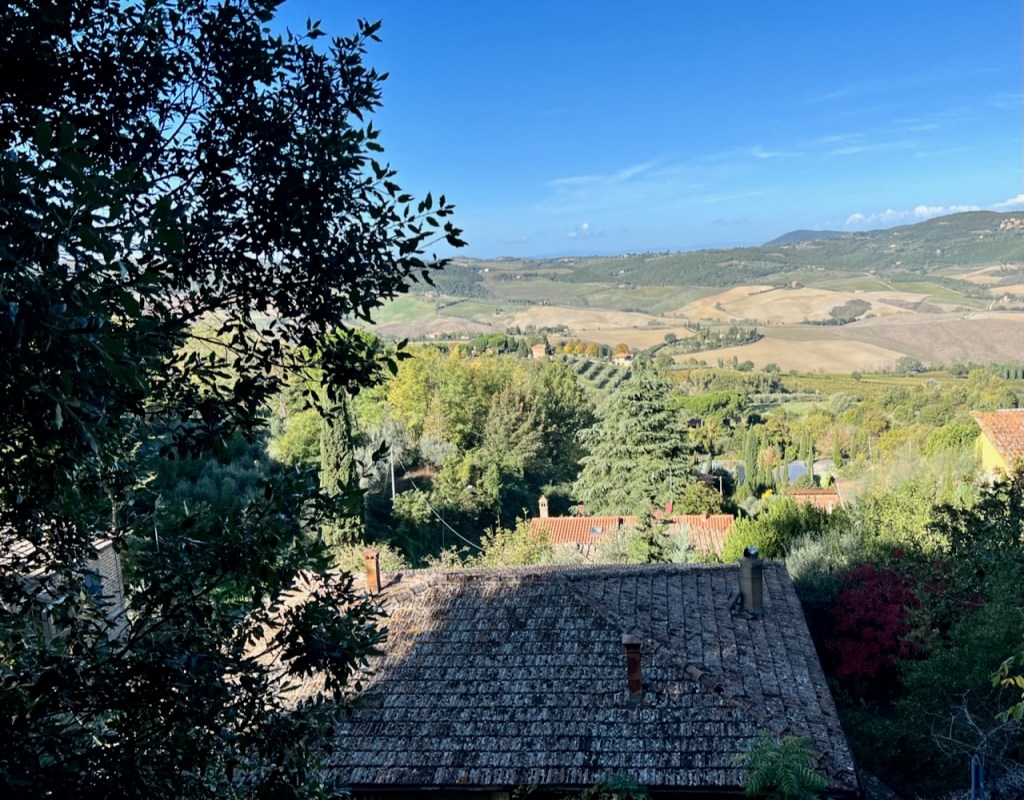
There were lots of other less notable things that took my fancy and here are some of those pics!
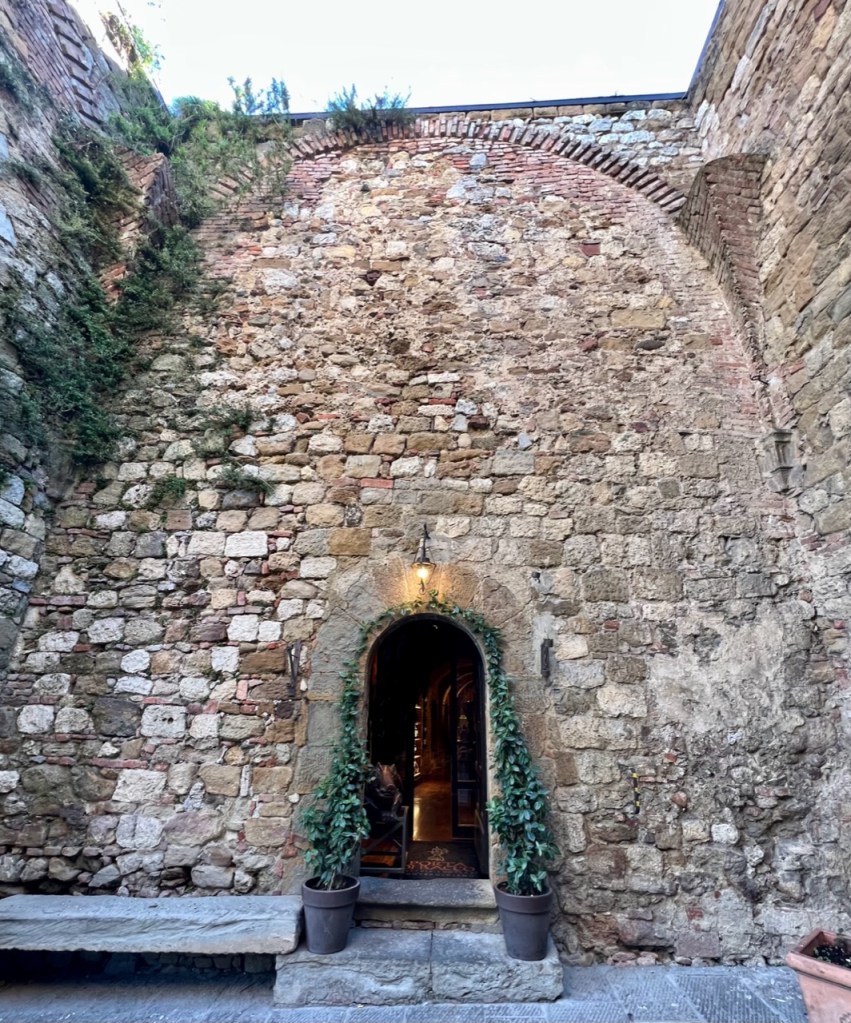
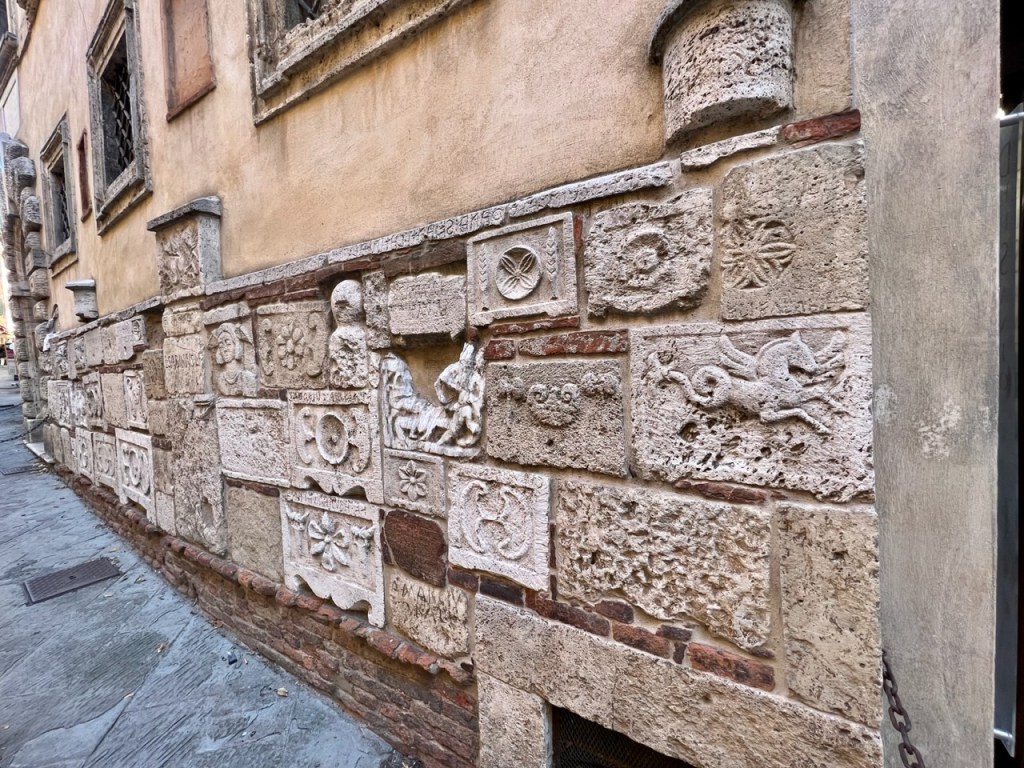


We’ve signed up for Saturday dinner back at the farm so we have gelato for lunch before heading to our next stop, Pienza.
Pienza
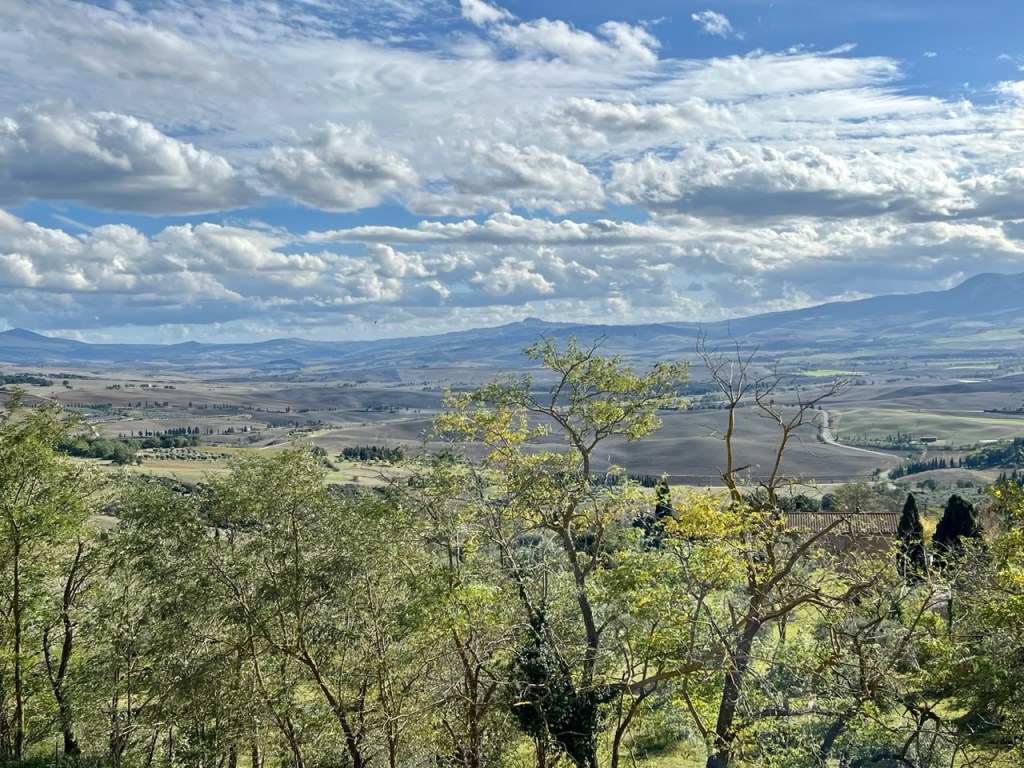
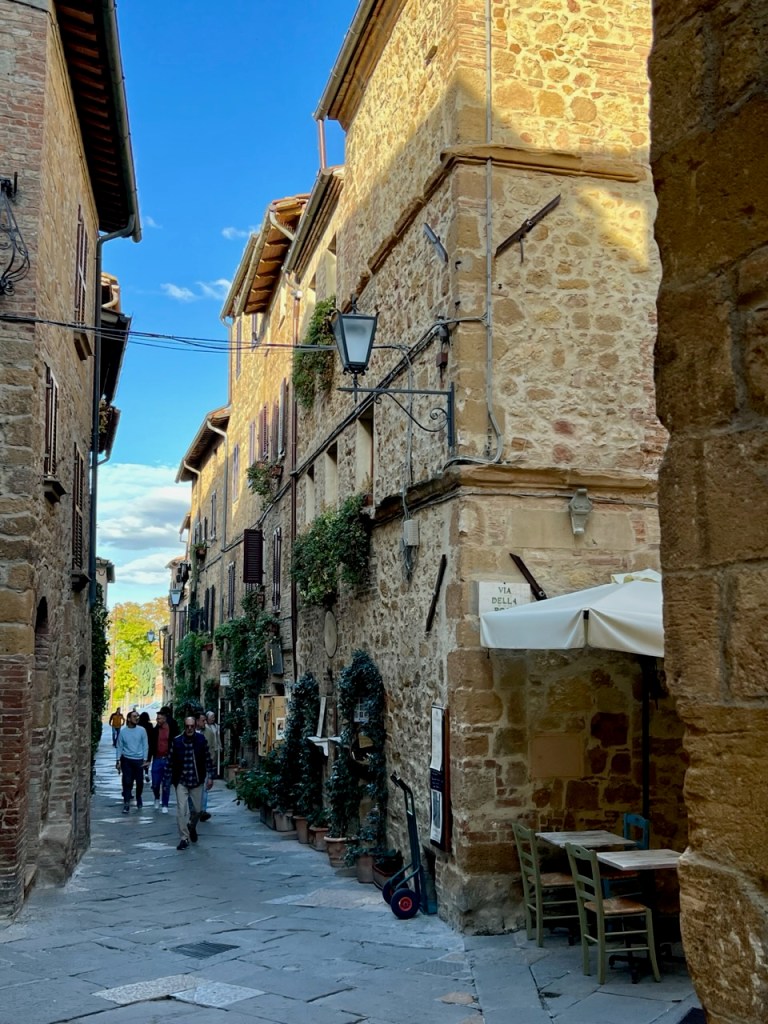
Located in the historical region of Val d’Orci, Pienza is nestled between Montepulciano and Montalcino. In 1996, UNESCO declared the town a World Heritage site, and in 2004 the entire valley, the Val d’Orcia, was included on the list of UNESCO’s World Cultural Landscapes.
Pienza was originally a small village called Corsignano, and the birthplace of Enea Silvio Piccolomini – Pope Pius II. Pius hired famed Florentine architect Bernardo Rossellino to give the city an upgrade into the “ideal town” based on the urban planning aspirations of the time, and renamed it Pienza after himself. Many motifs of Renaissance architecture can be seen in the buildings of Pienza, and some are even said to have originated here.
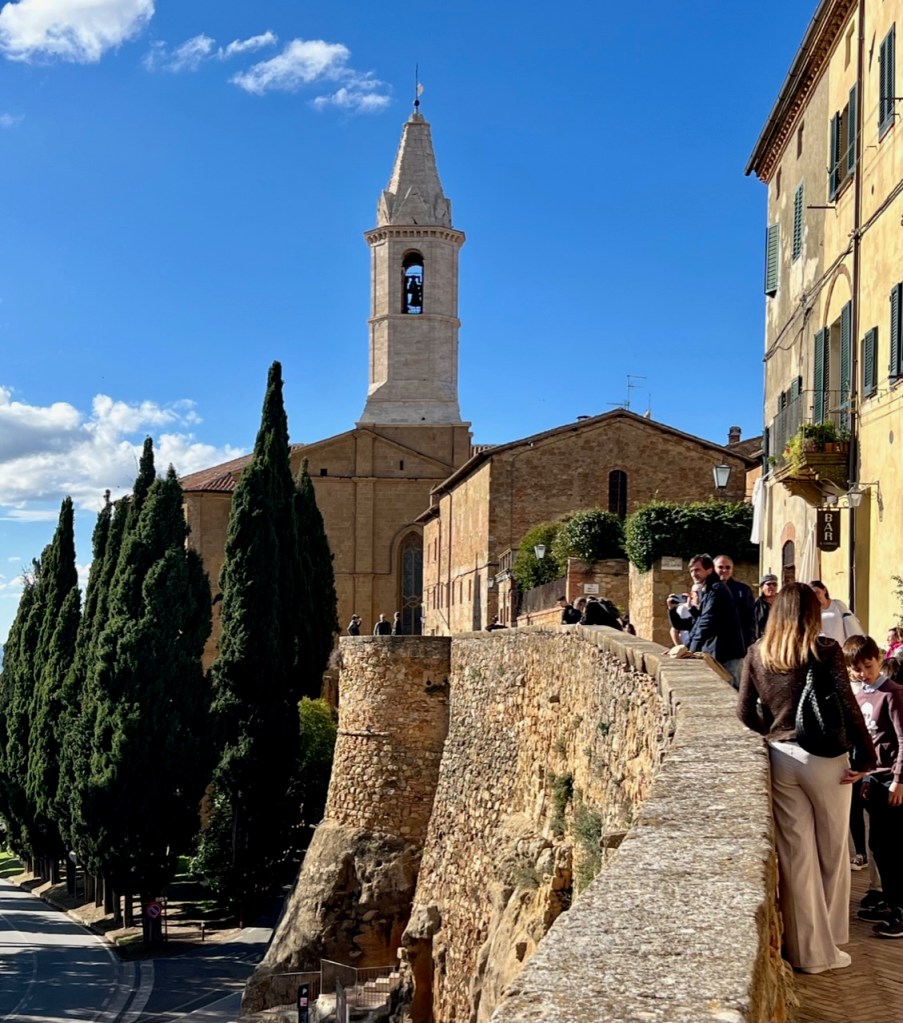
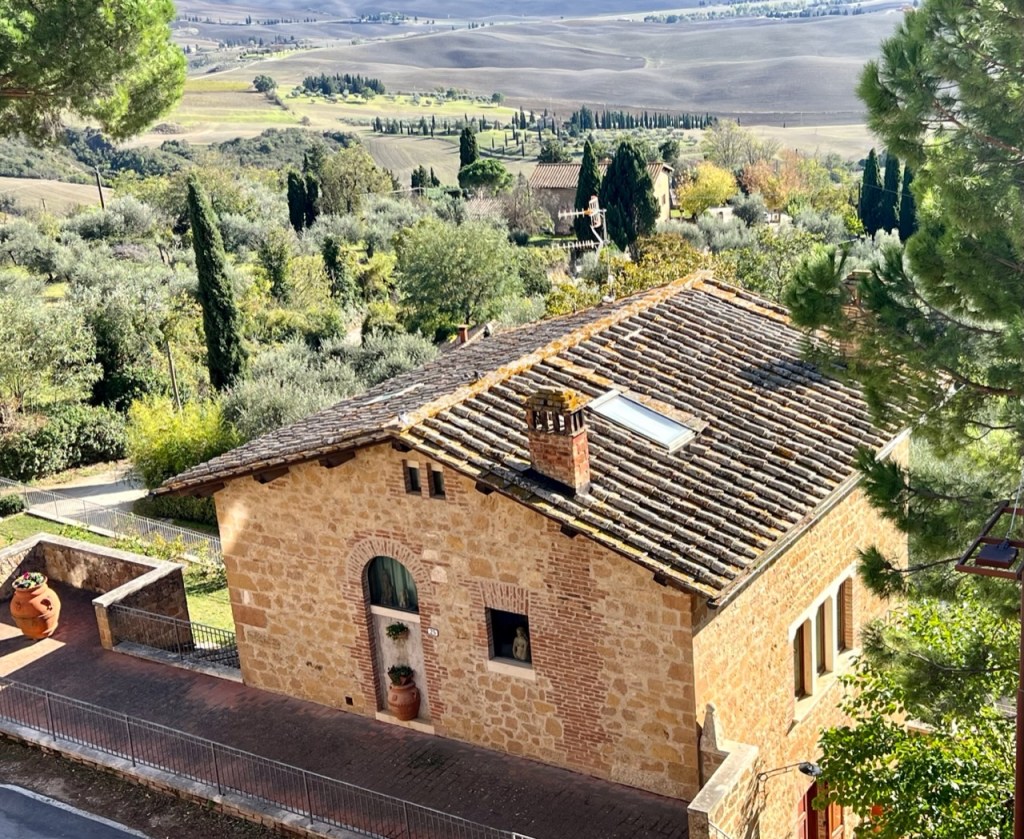

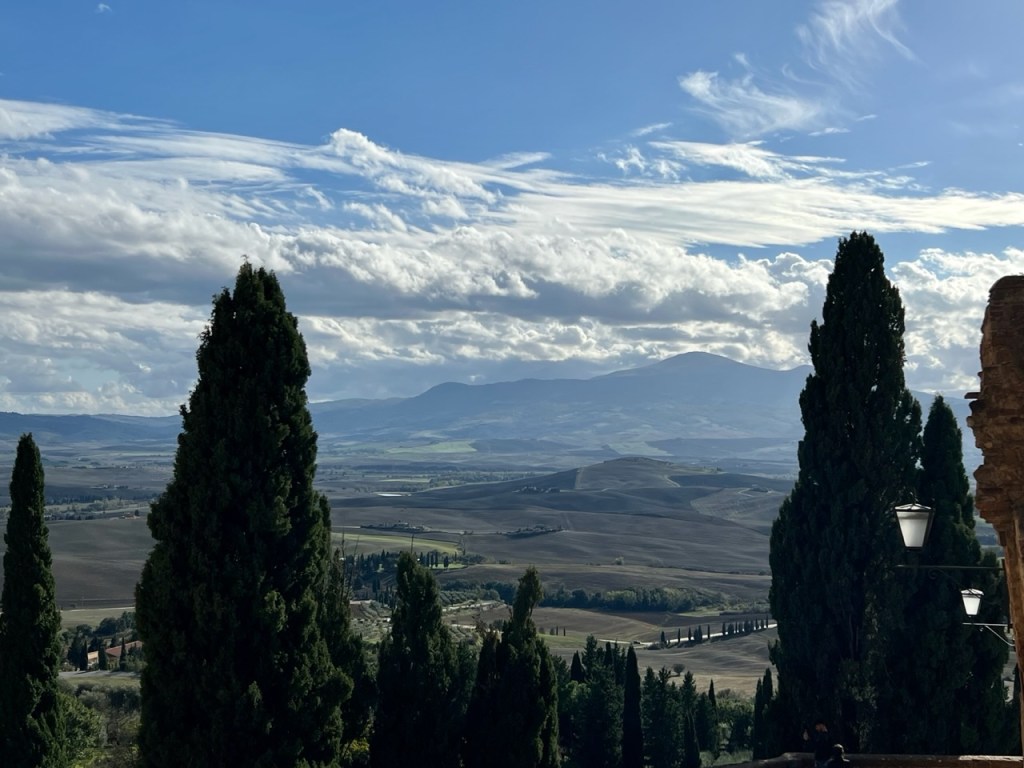

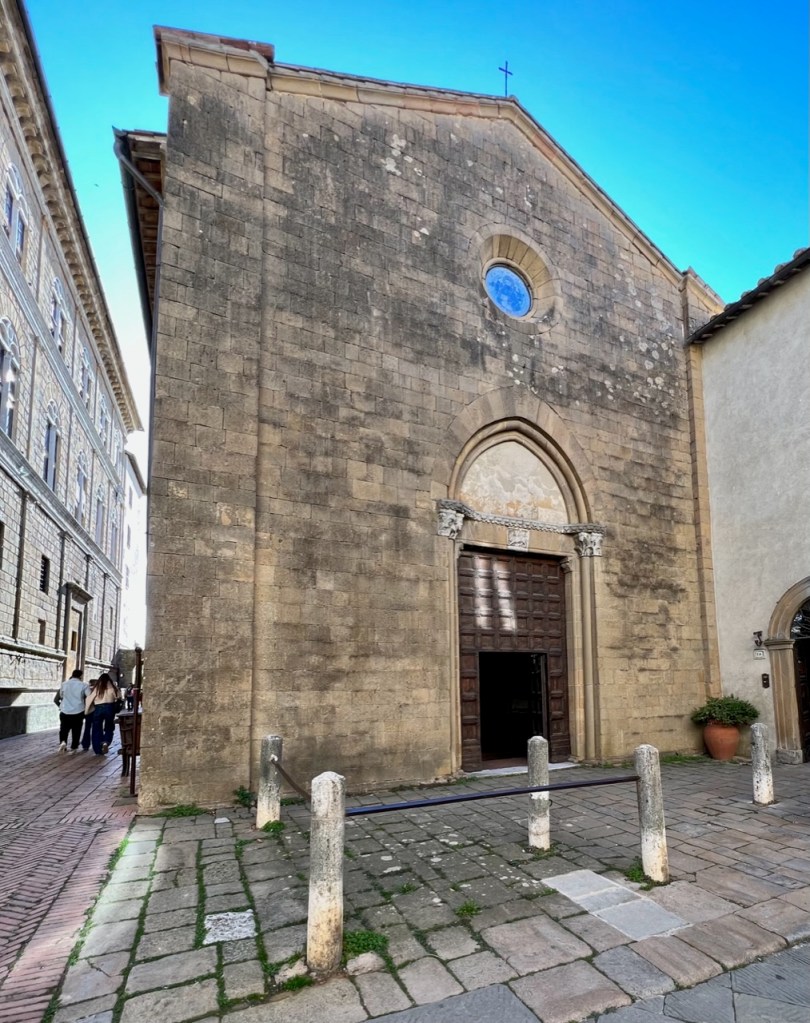
In addition to the wonderful architecture, Pienza is renowned for the sheep cheese known around the world as “Pecorino di Pienza”. The very special and traditional aging process takes place in wooden barriques, but that is not all what gives it this special taste acclamed by all.
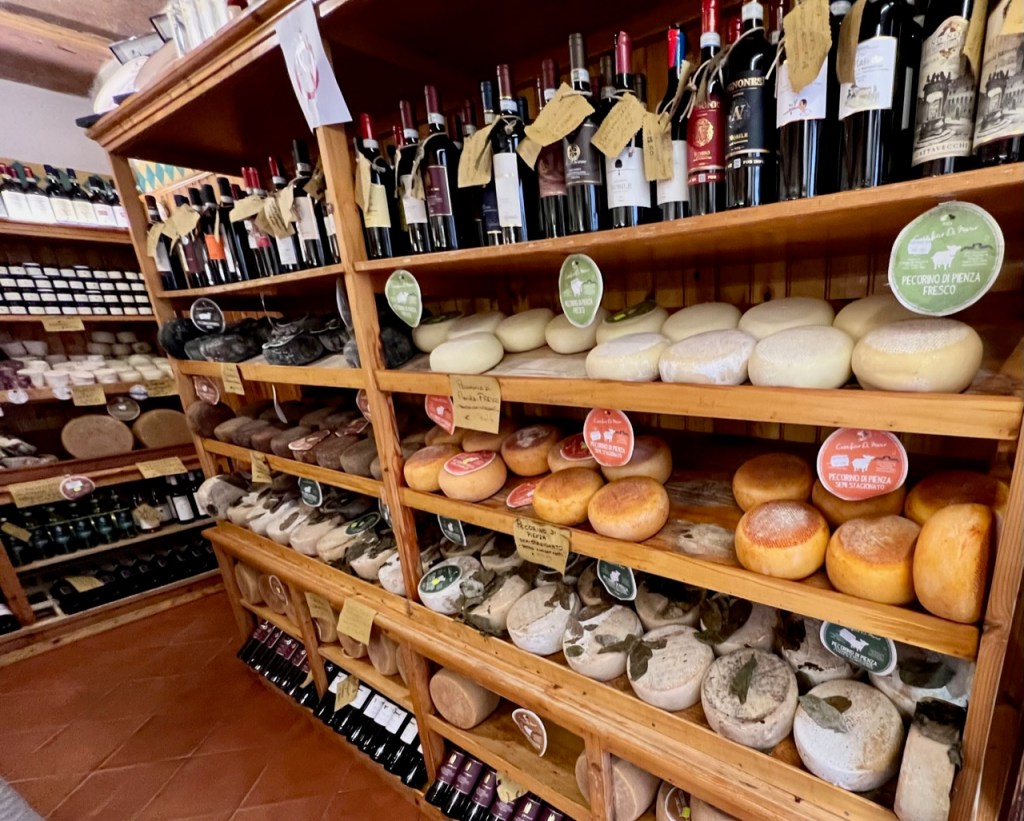
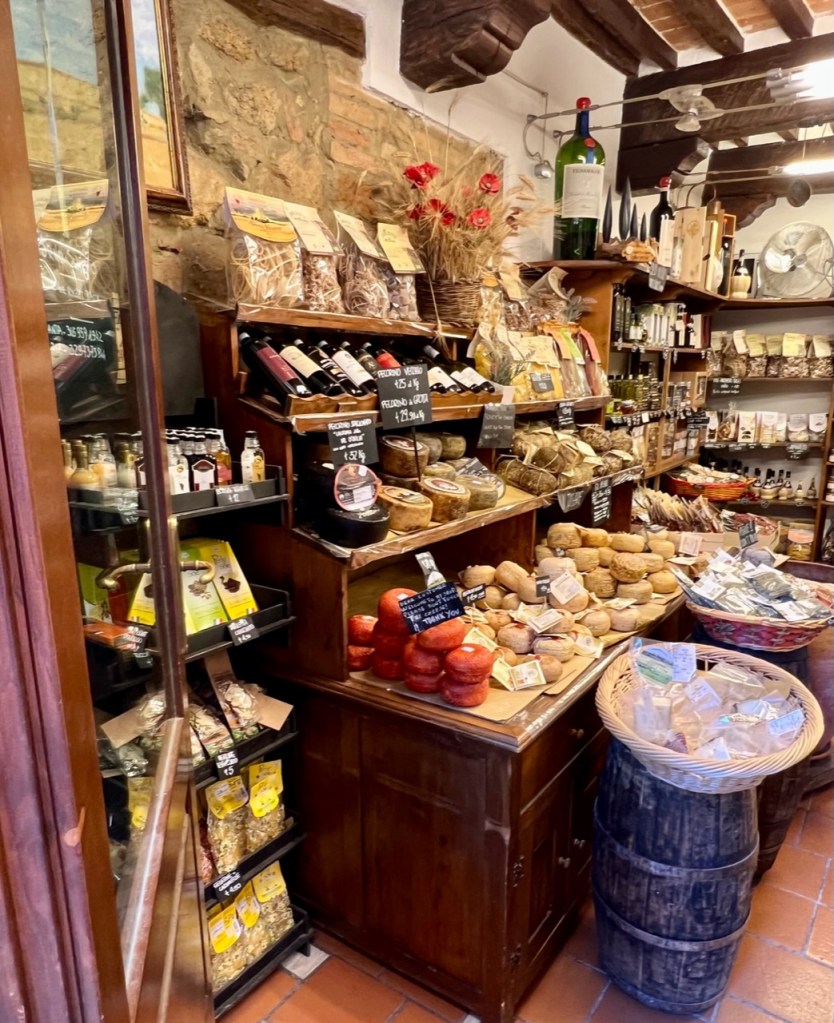
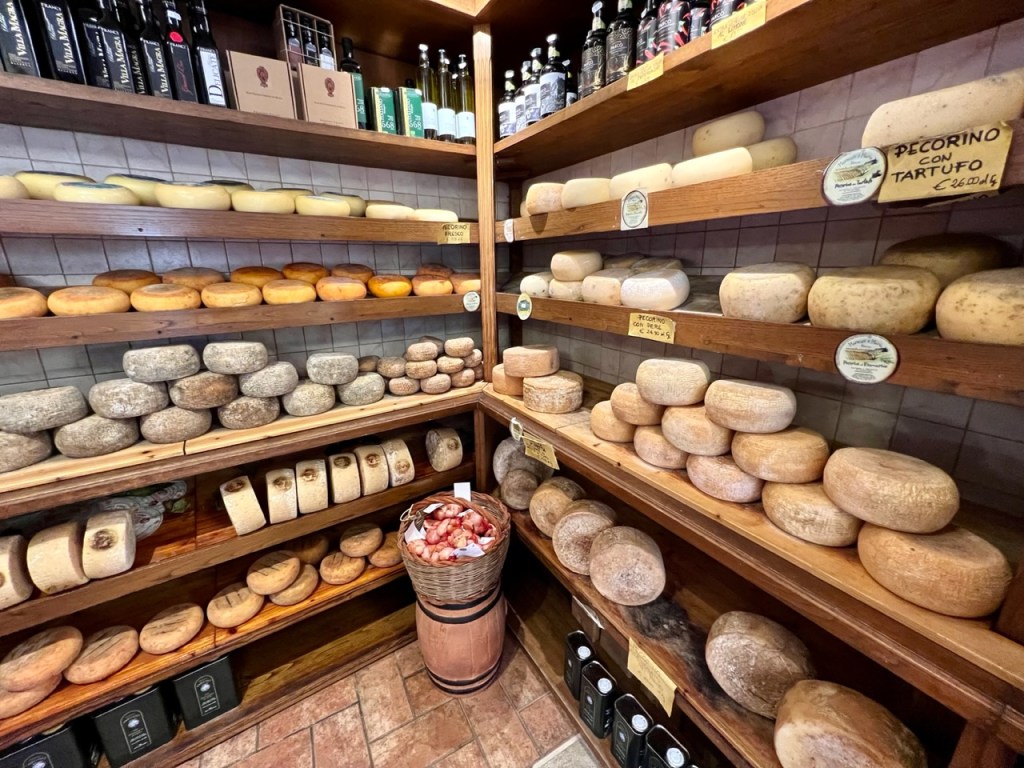
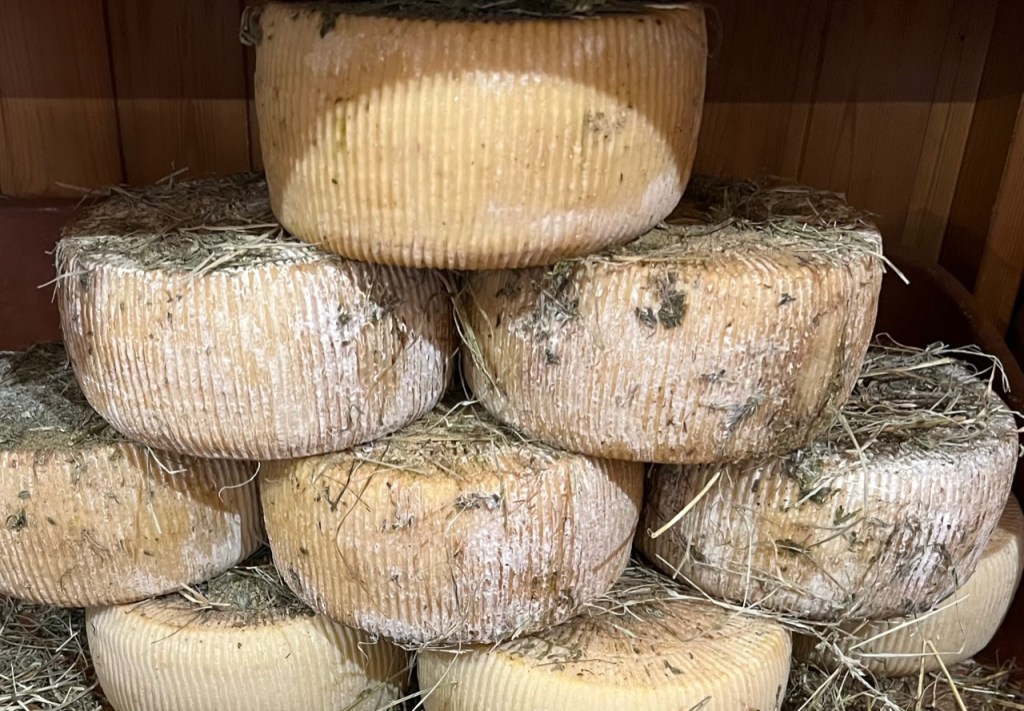
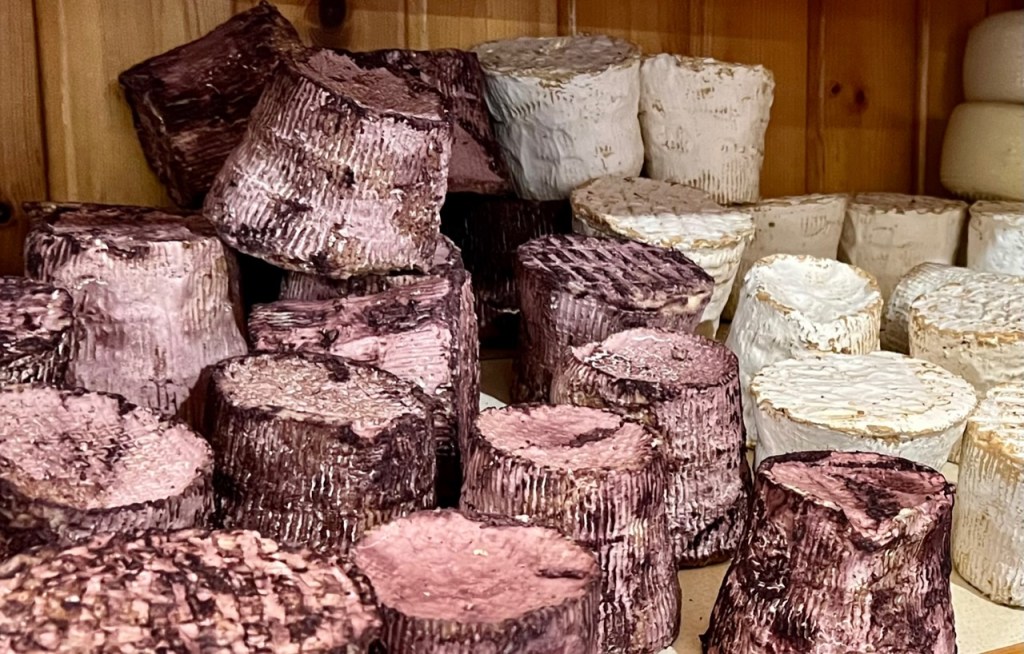
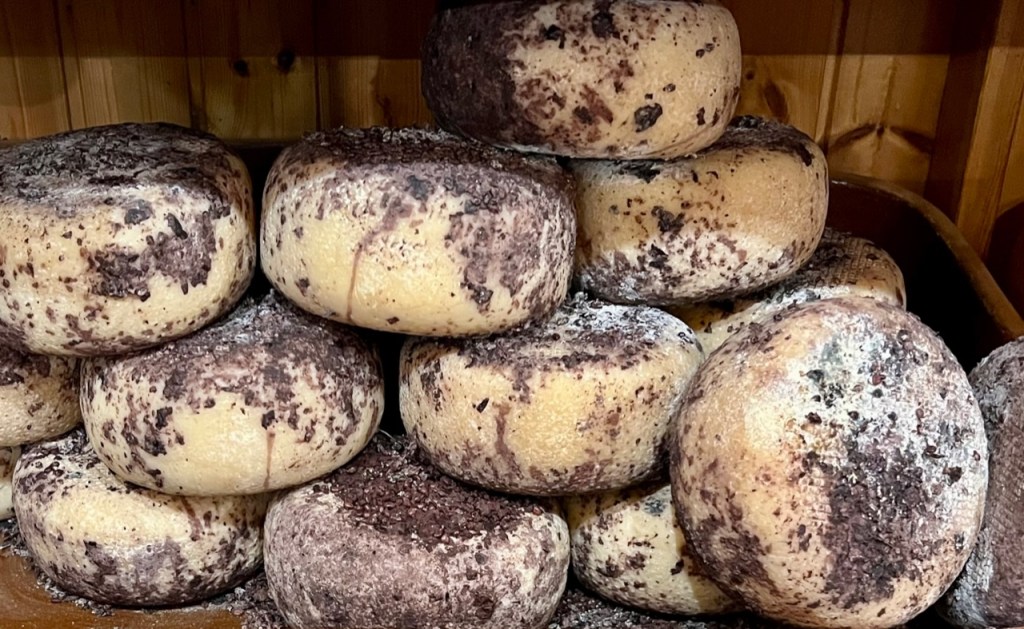
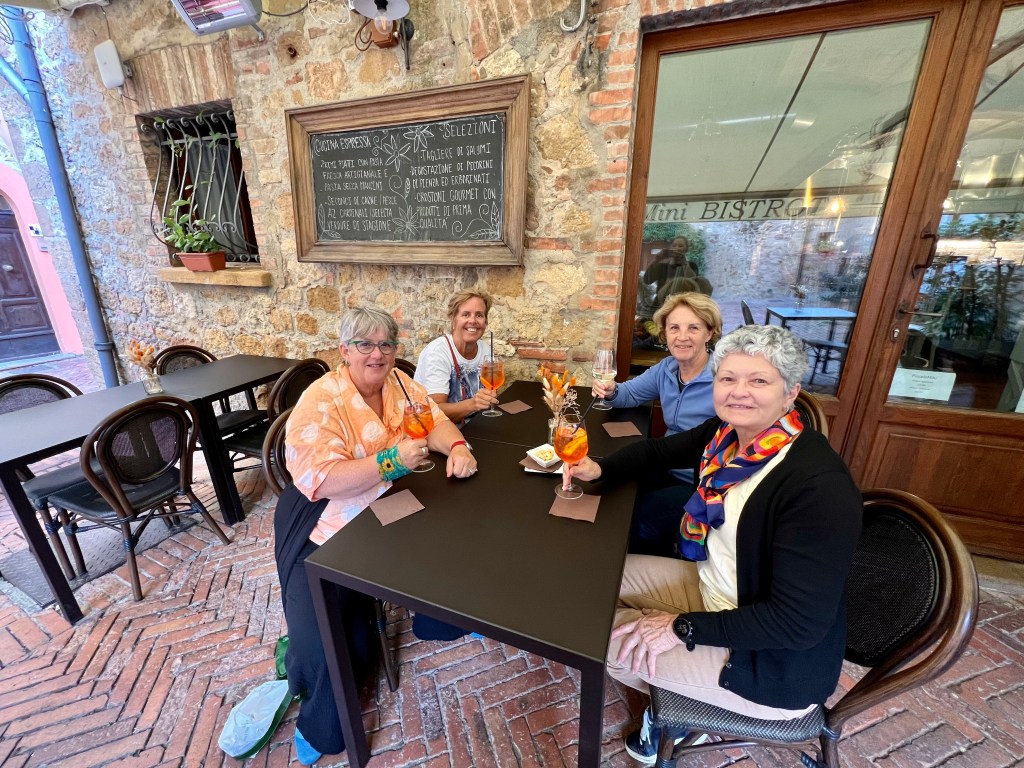
We pick up some cheese and salami for a future charcuterie night. Next is a quick stop for a drink before we head back to the Farm for our much anticipated dinner.


Sadly the dinner does not live up to our high expectations based on the cooking class earlier in the week with the same chef. The meal is much too carb forward; risotto, pasta and potatoes, too salty and general blah! Oh well, we all have off days. I’m sure the Saturday dinners are usually much better.
Tomorrow is another day. Adventure awaits …
 Judy’s Rambles