
April 22, 2024
This morning I arrived in Porto after the best travel day I have had in years! Flights were on time, seat mates were nice, my luggage arrived with me and the hotel allowed me to check in at 11 pm shortly after arriving.
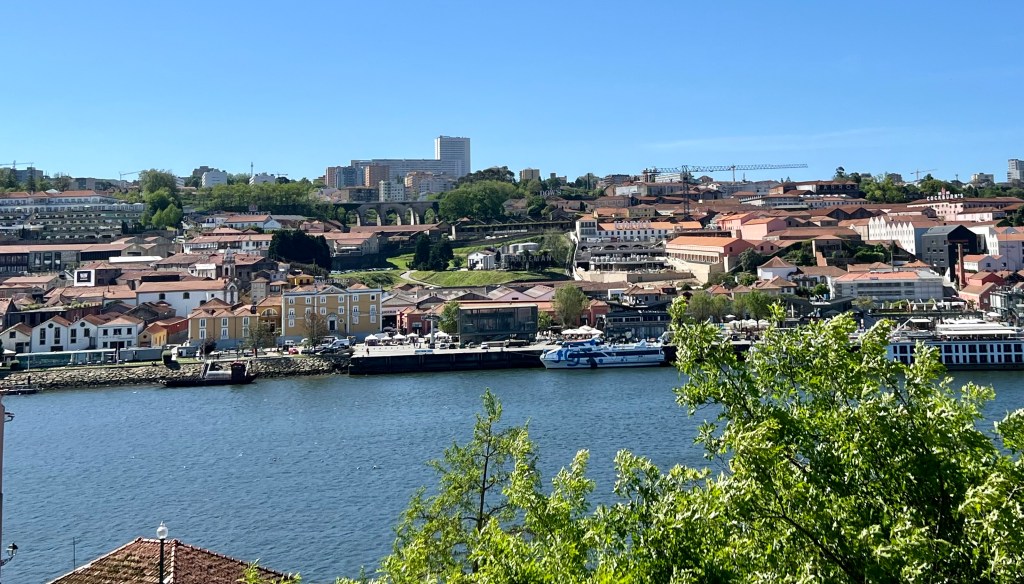
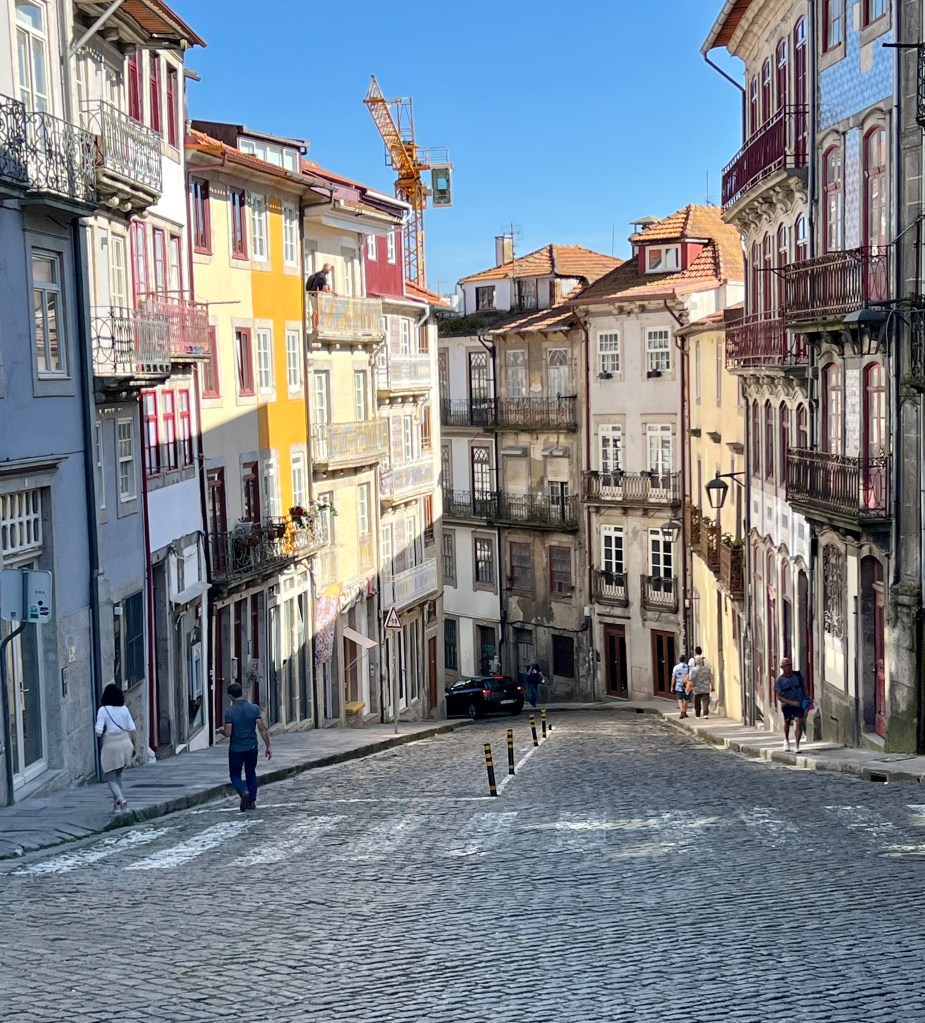
After a nice long nap and a hot shower, I hit the bricks to try and find the meeting point for tomorrow’s walking tour; Largo Amor de Perdição. My laco of spatial awareness is real and it’s not too far from my hotel but it looks to be “straight” uphill – my favourite (not)! I check with the desk clerk and he warns me that it is a very big hill. Man he was not kidding! These people must be part mountain goat!! Anyhow, my downloaded directions from google maps are accurate and I arrive at my destination without getting lost which is the main thing.
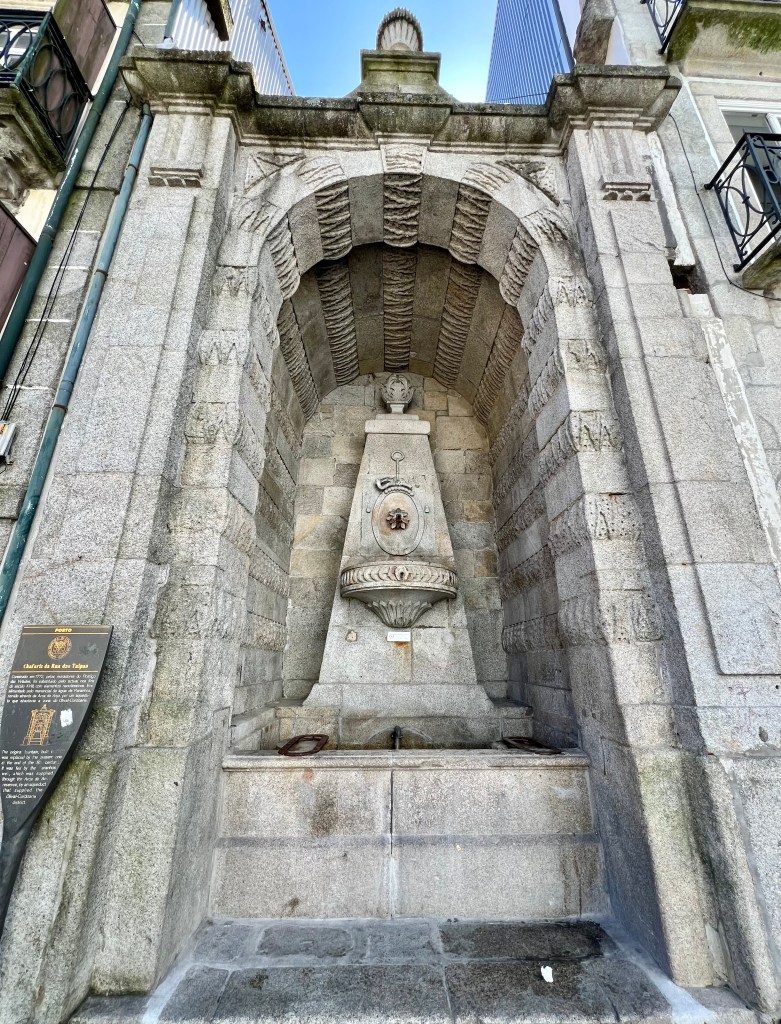
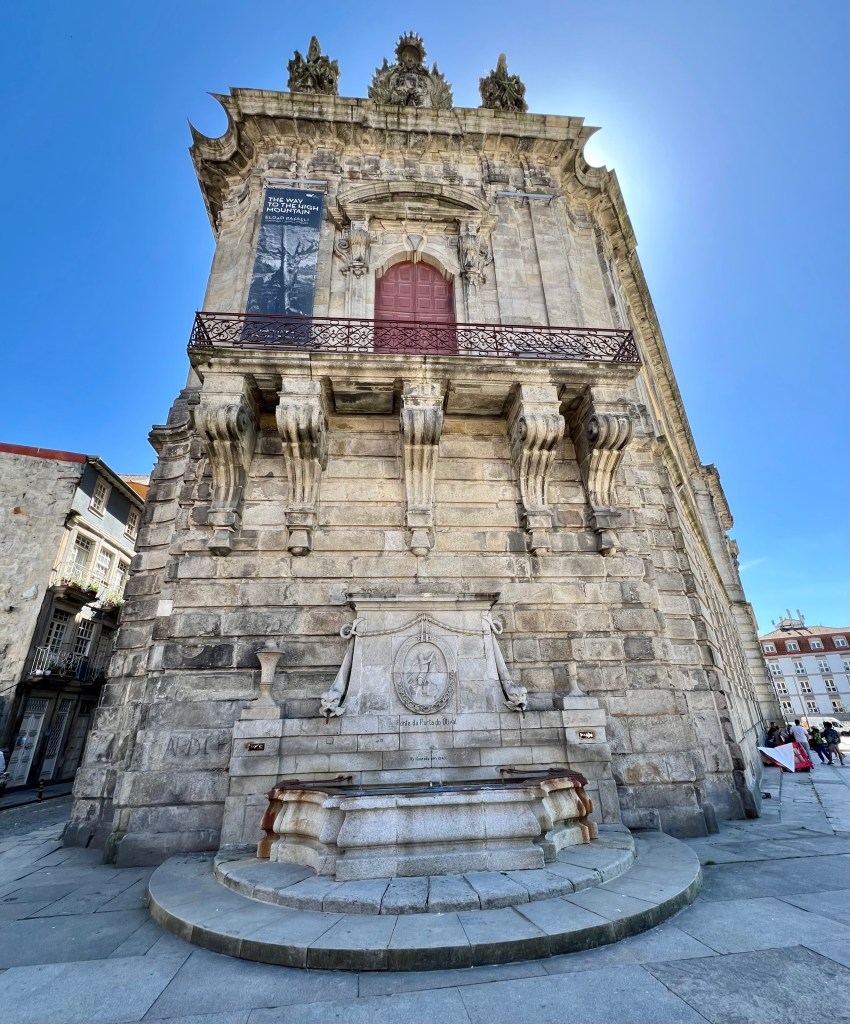
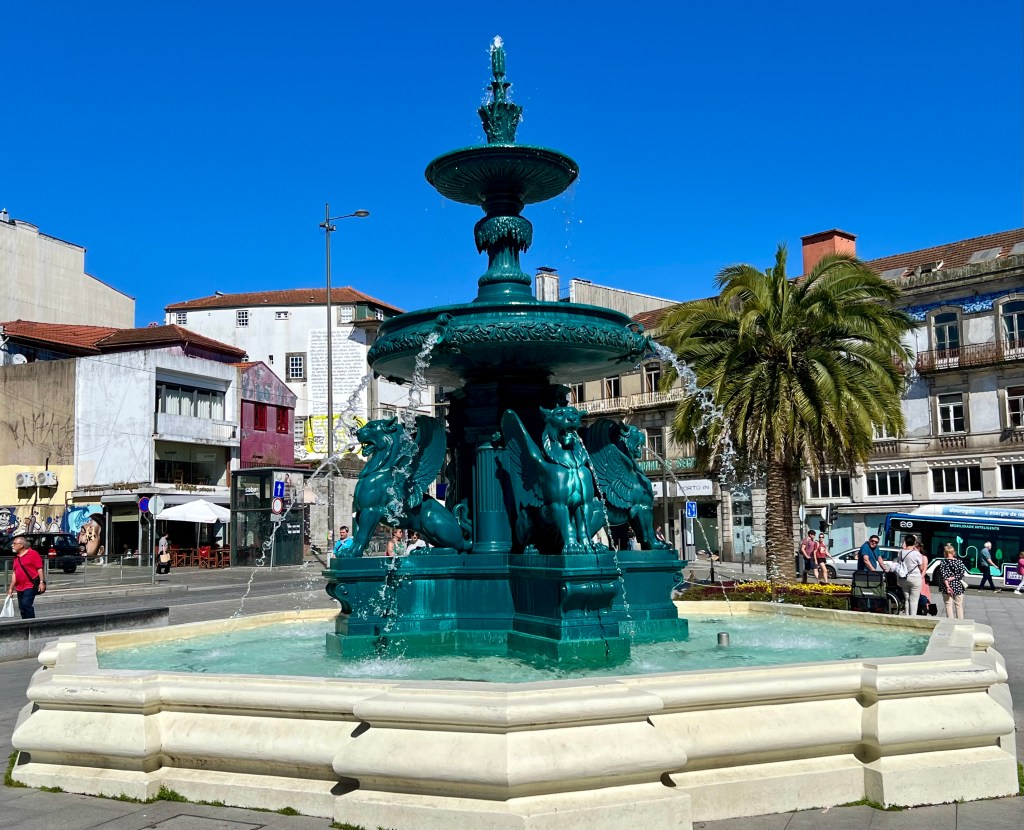
Along the way, while catching my breath, I came across the Chafariz da Rua das Taipas. The original fountain, built in 1772 was replaced by the present one at the end of the 18th century. It was fed by the Paranhos well which was supplied through the Arca do Anjo reservoir, by an aqueduct that supplied the Olival-Cordoaria district.
The Amor de Perdição is a book written by Camilo Castelo Branco (1825-1890); one of the greatest Portuguese writers of the 19th century. Often using the torments of his life as inspiration, the author wrote “Amor de Perdição”, his most important novel when he was imprisoned for the crime of adultery.
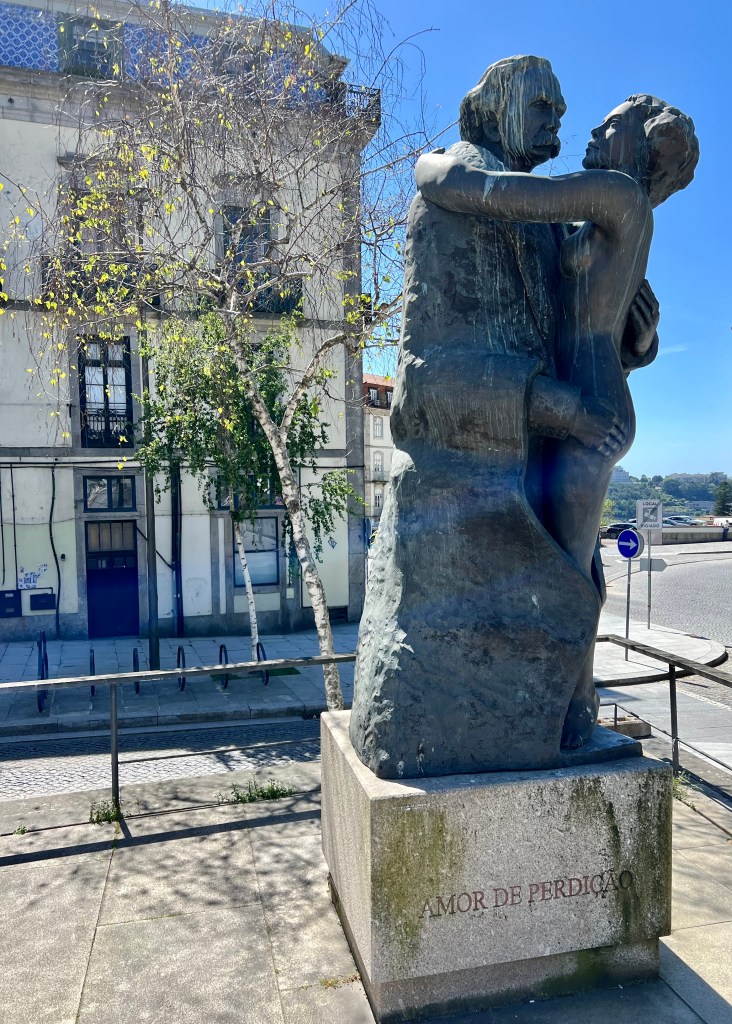
The statue of the author grasping a naked woman’s butt is located in the square of the prison (Cadeia da Relação do Porto) where this famous work was written. Today it houses the Centro Português de Fotografia stands (Portuguese Photography Centre).

Since I’m up here, I decided to do some exploring which ended up mainly being churches. We won’t likely go inside any of them on tomorrow’s walking tour so I took the opportunity today.
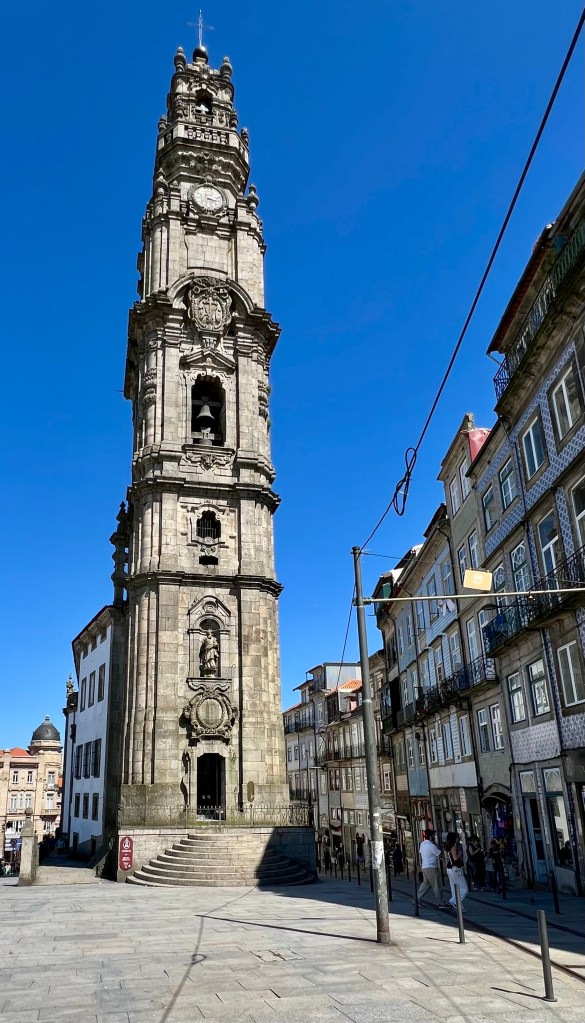
First up and not far from the prison is the Clérigos Church (“Church of the Clergymen”) and its 75-meter-tall bell tower. This eighteenth century complex was commissioned by the Brotherhood of the Clérigos on the “hill of the hanged men” where executed prisoners were buried. The Torre dos Clérigos commands the skyline and is one of Porto’s most emblematic symbols.

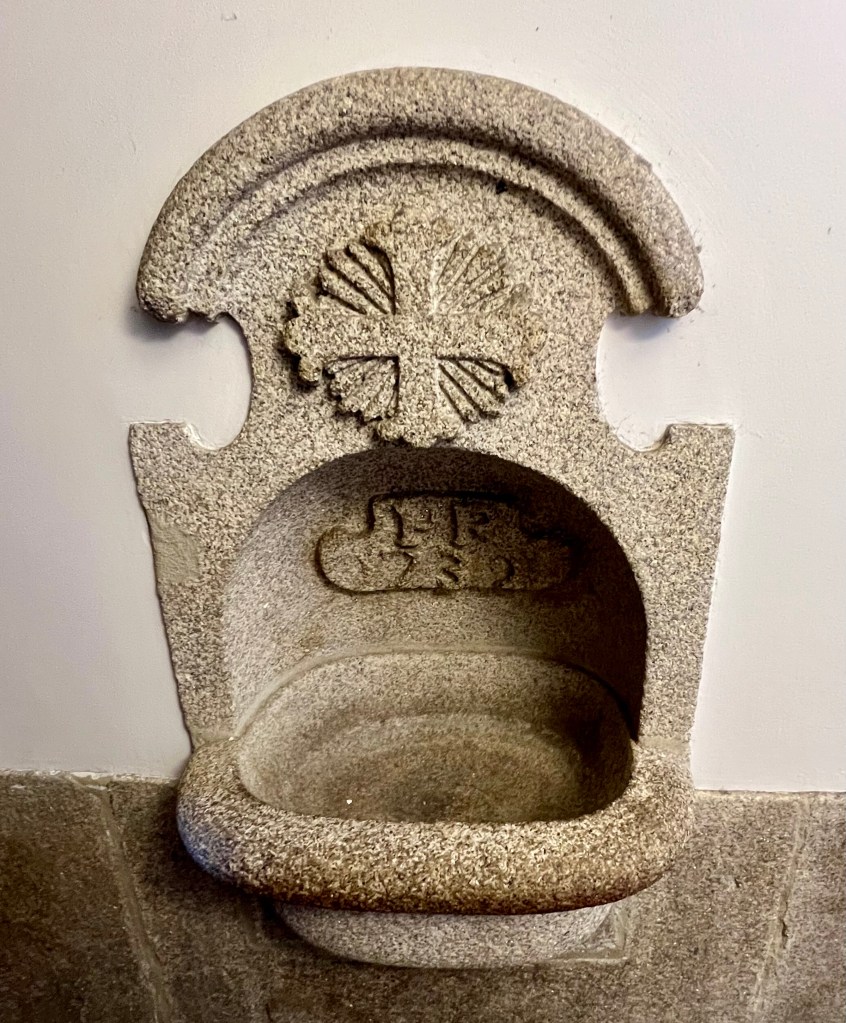
Next is The Church of Our Lady of Carmo (Igreja do Carmo. The Church of Our Lady of Carmo was built in the second half of the XVIIIth century in Rococo style. In 1912 the lateral facade was faced by a magnificient tiled panel designed by Silvestro Silvestri. Inside, the magnificent gilt carved main altar piece features a depiction of a crucified Jesus, Our Lord of Success, flanked by Saint Anne (Mary’s mother) and Our Lady of Carmo.


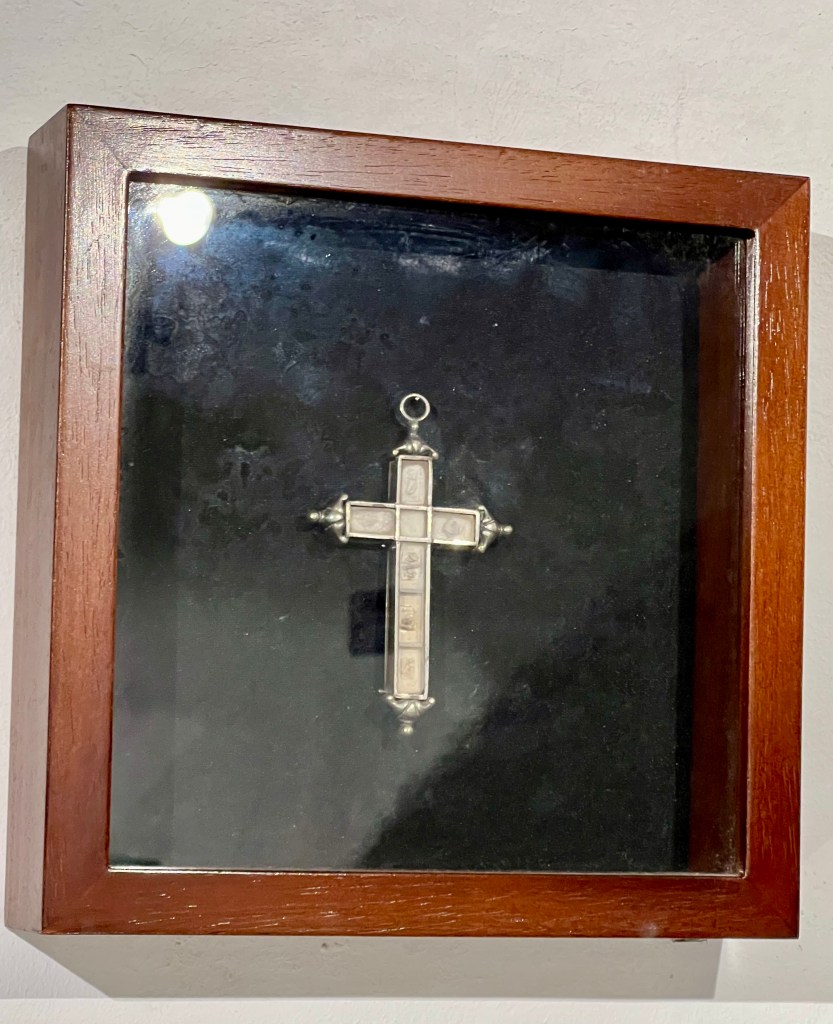
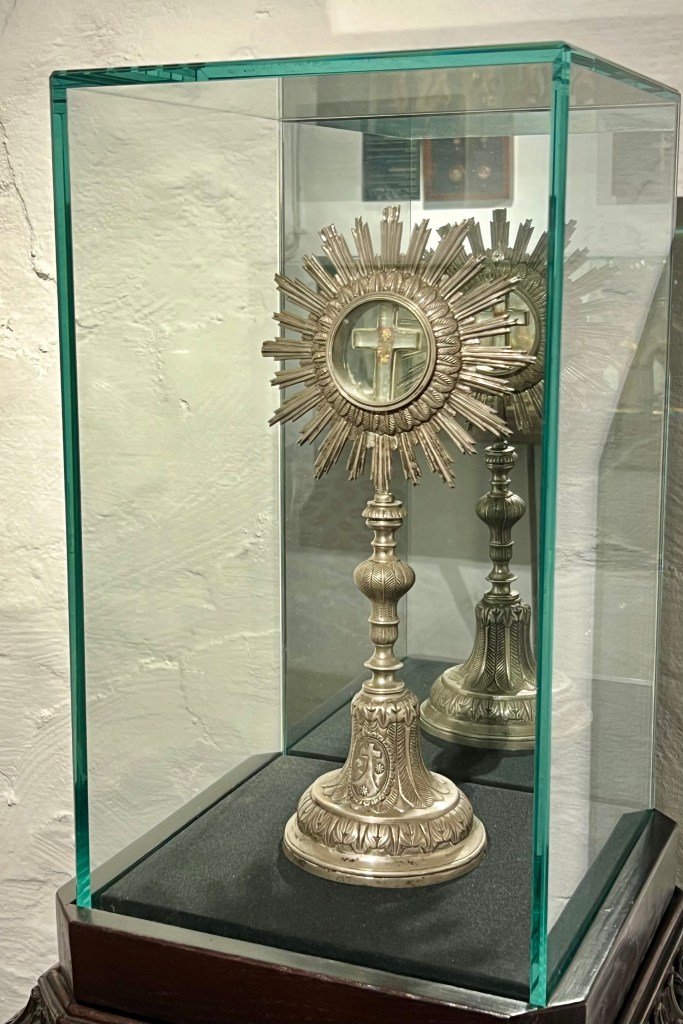
Under the church is the Catacombs of the Order of Carmo which houses the remains of over 400 members of the order. There is also a museum in this part of the church which houses numerous relics including the Reliquary Cross with bone fragments of a number of Saints including Saint Francis Xavier (16th century) and The True Cross containing a piece of the Holy Cross of Christ set in a crystal cross.
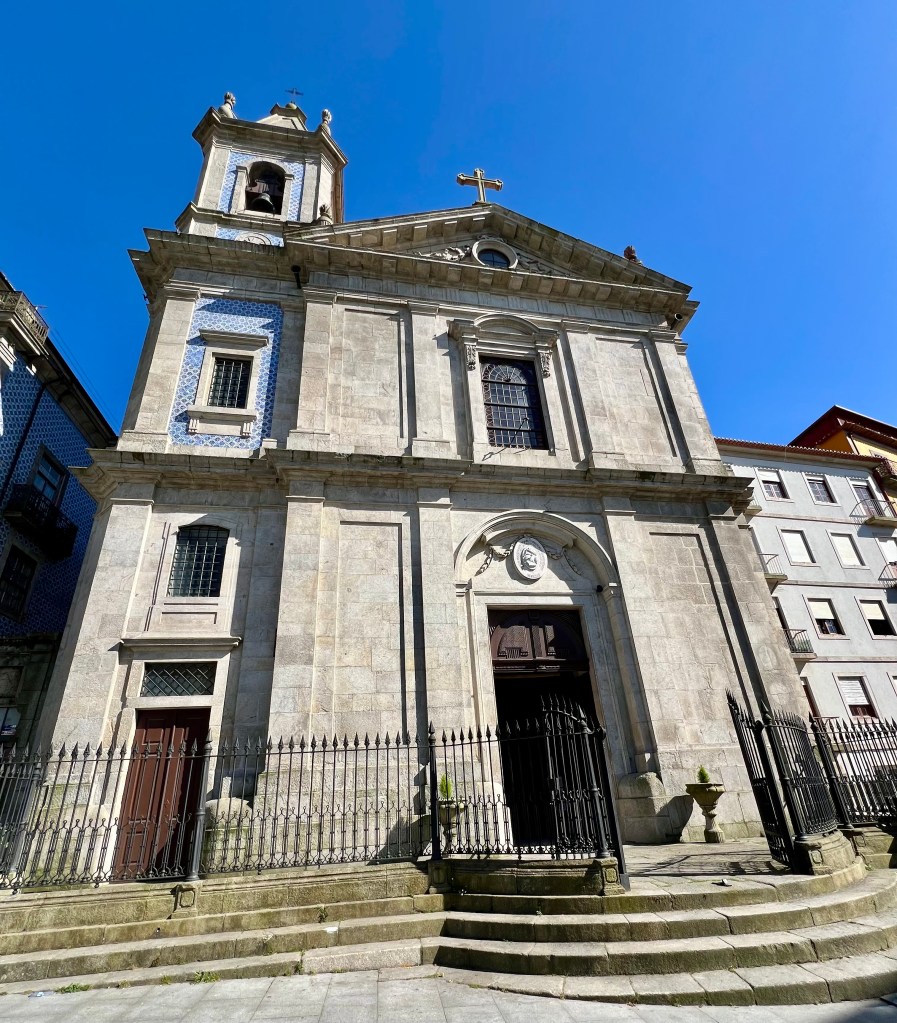
Last but not least (for today) is the Igreja de S. José das Taipas. This church wasn’t as grand on the outside but it houses the second largest tabernacle in the city of Porto, flanked by two sculptures; on the left the patron of the church – St. Joseph; and on the right – the co-patron – St. Nicholas of Tolentin.

Enough churches, time to see what else is on top of this hill! But first a stop for some sangria. Being a tourist is thirsty work!

After being inside, it’s time to explore the Jardim da Cordoaria. In the Middle Ages this was the site of a rope factory to which the park owes its name. In 1865 it was transformed into a garden and it became a very popular meeting place for the bourgeoisie. Today, this small, historic urban park is a lovely oasis featuring a variety of trees, plants & sculptures.

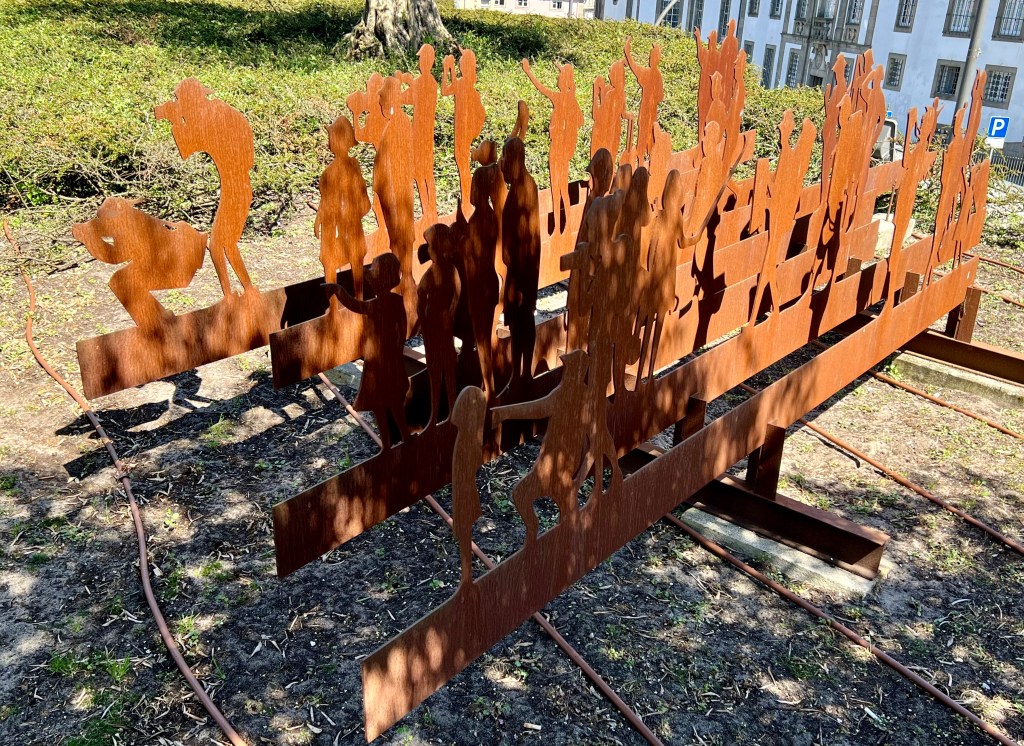
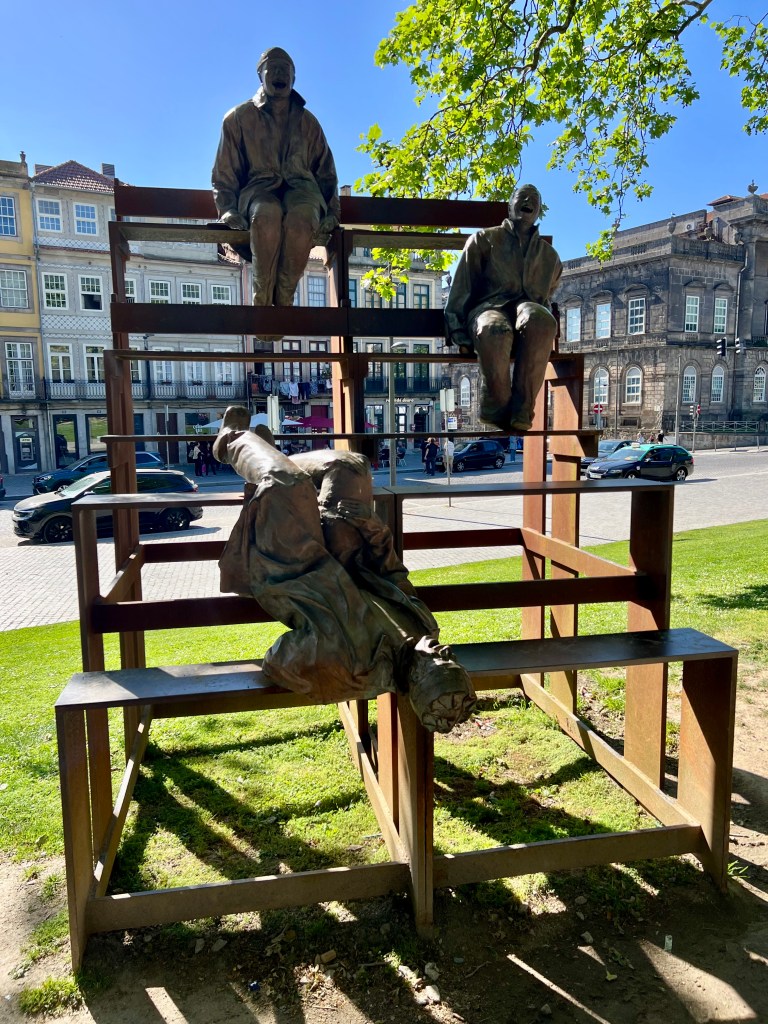
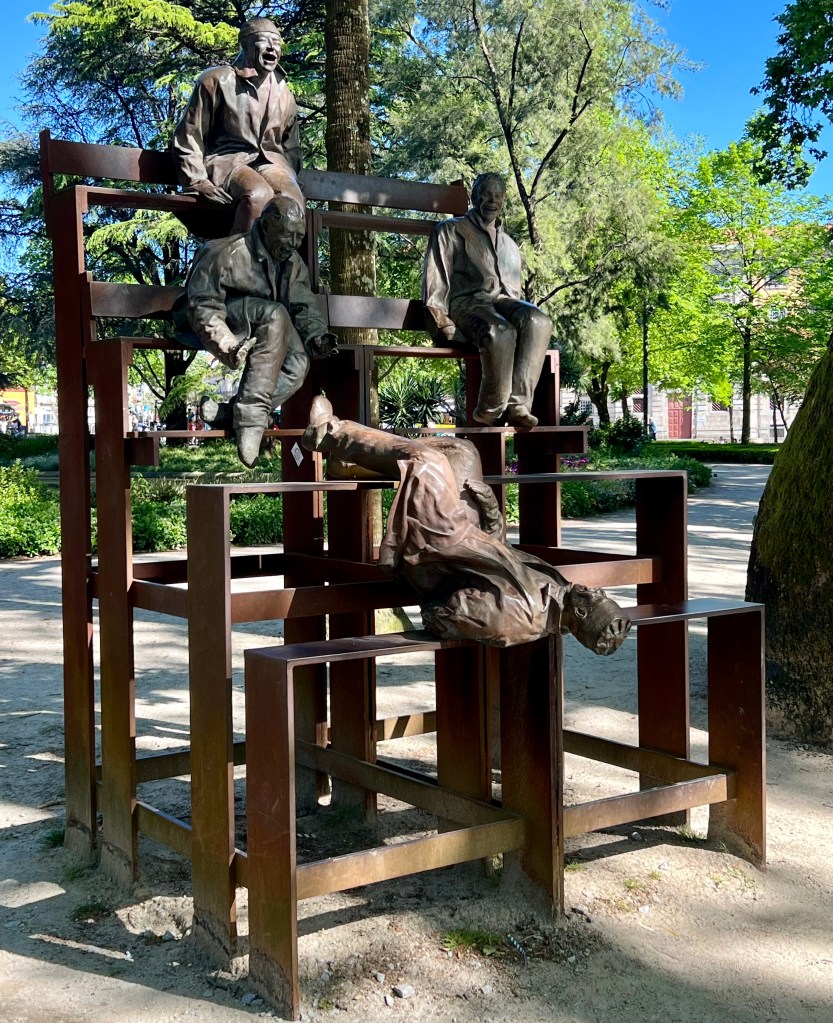
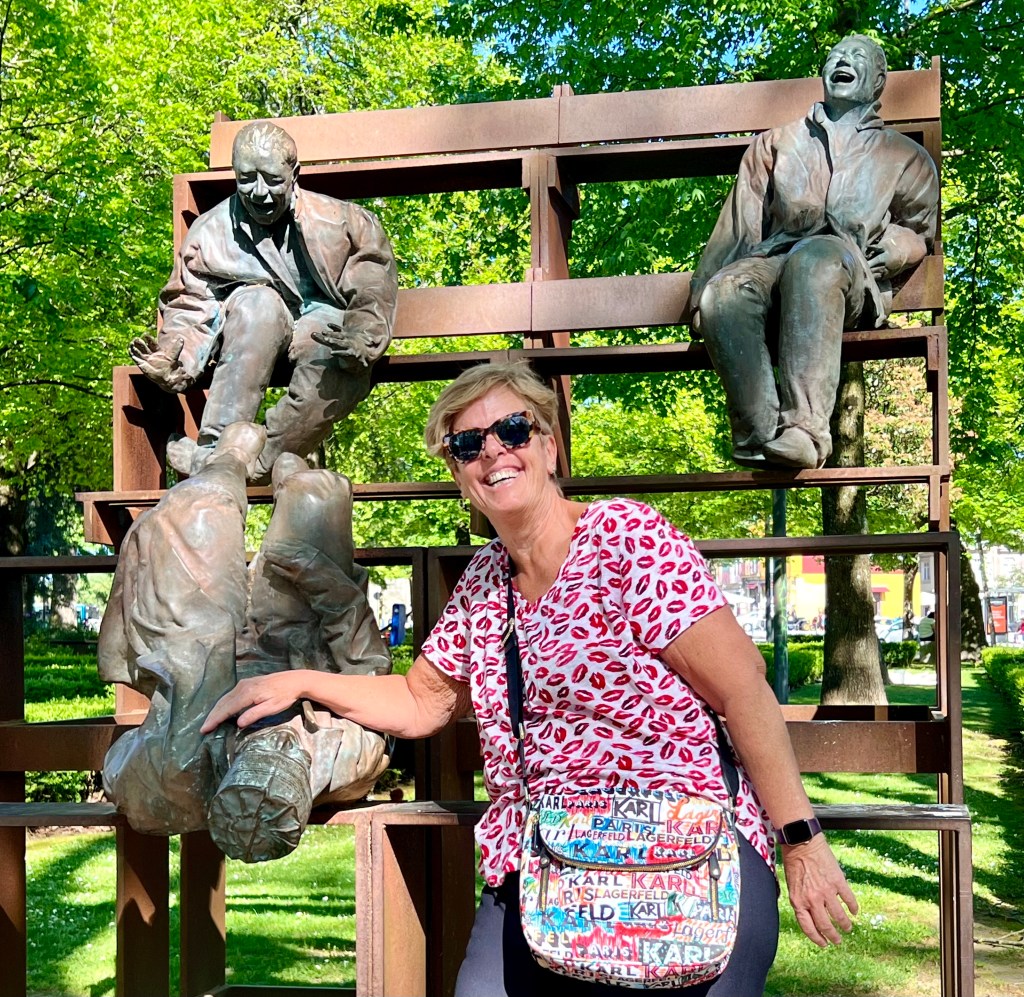
My favourite was a series of sculptures featuring laughing men falling off benches. The sculpture Thirteen Laughing at Each Other by Juan Muñoz is a collection of four bronze (I only captured three) and steel benches around the park, with 13 figures in all, known in Portuguese as Treze a rir uns dos outros. On each bench, three or four almost life-size figures are sitting on the top rows laughing with or more likely at a figure laying upside down on a bottom row. Have they pushed him or has he fallen? Who knows but it is impossible not to smile at their antics. .
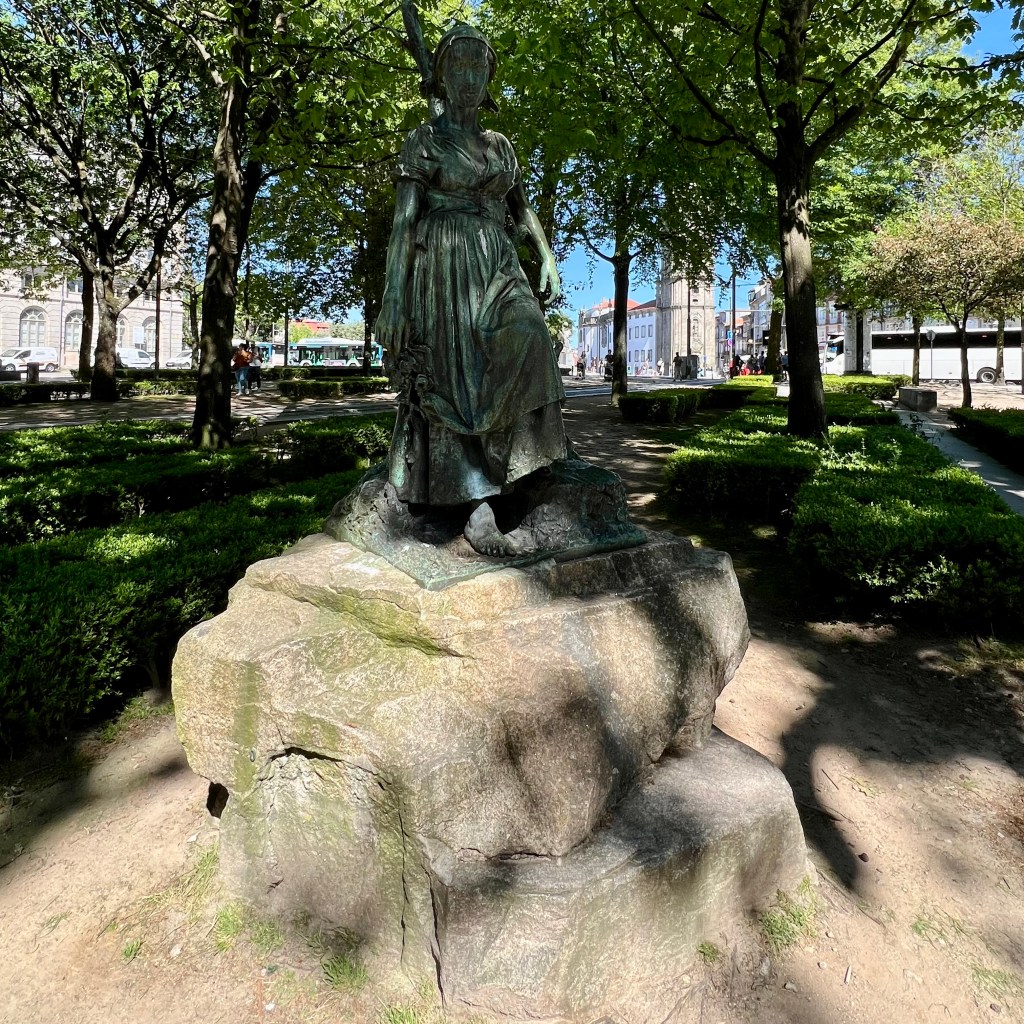
On a more serious note, there is also a statue of António Ferreira Gomes; a Portuguese Roman Catholic bishop who is considered one of the most notable figures of Portuguese Catholic hierarchy in the 20th century. Looks like he wore funky glasses!

After exploring the park, I spied the Livraria Lello & Irmão, commonly known as the Lello Bookshop and dubbed the most beautiful bookshop in the world. For now, we’ll have to take their word for it as it’s too nice a day to wait in line to peruse a crowded bookstore.

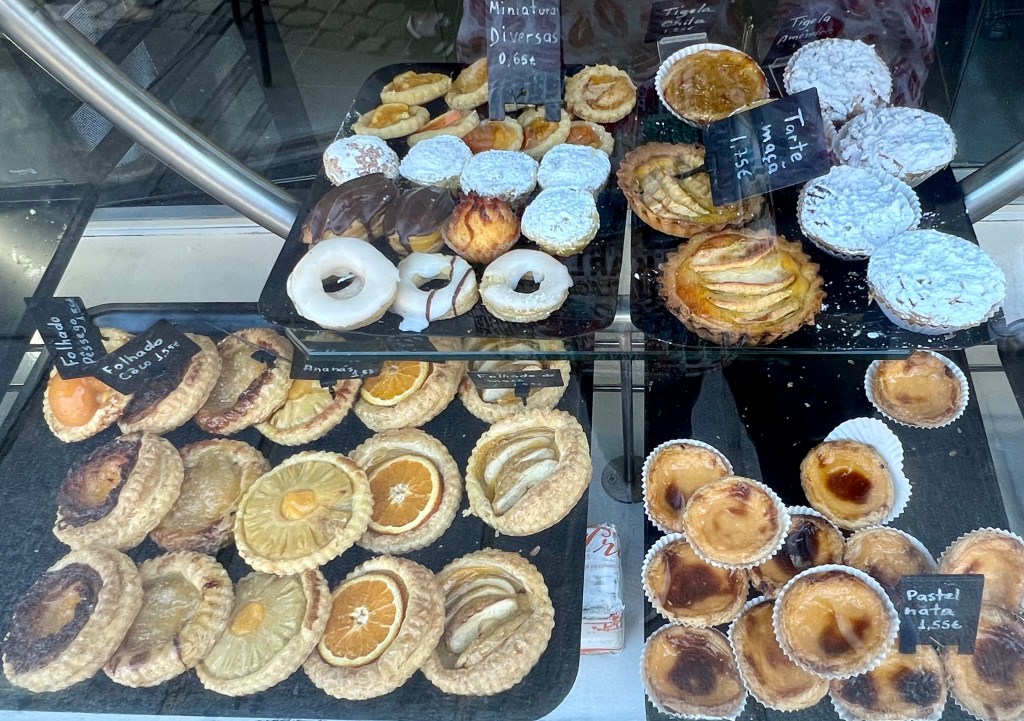
I did do a bit of window shopping including this pastry shop which I avoided as the hotel serves tea and cake between 5 and 6 so I can have a snack then.
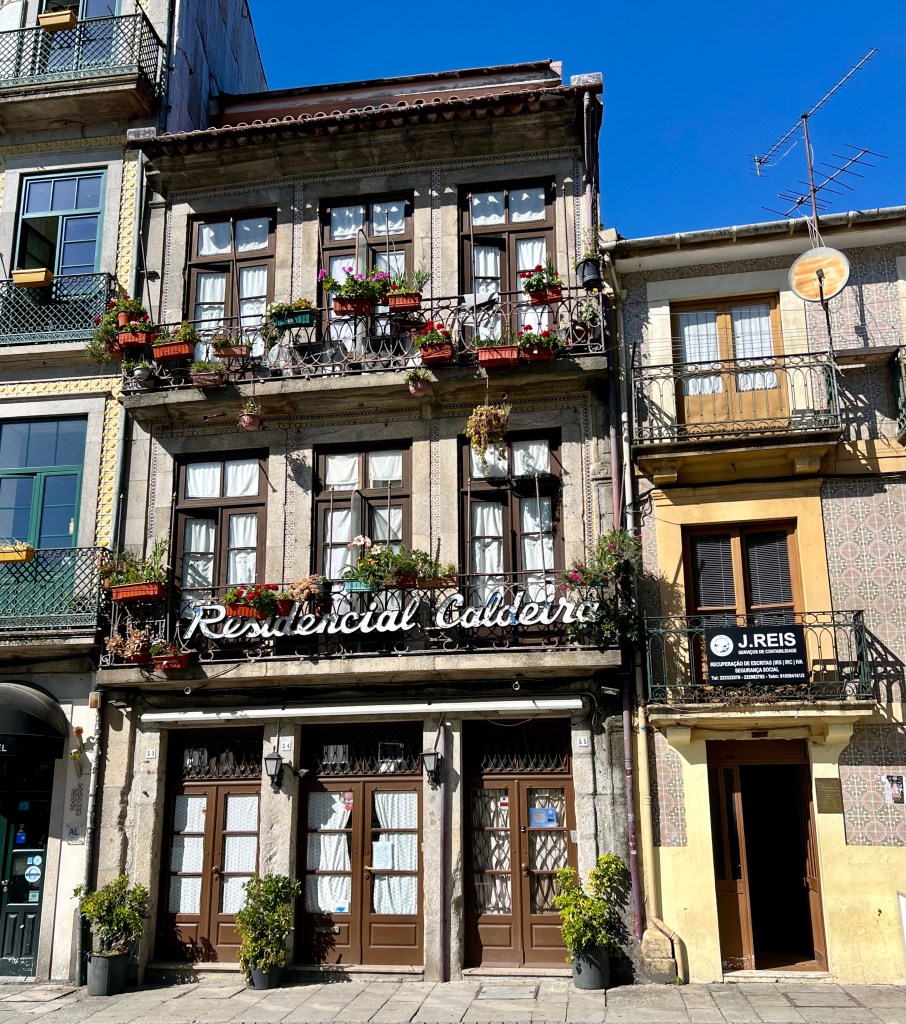

I’m starting to run out of steam so I head back down the hill (down is easier than up!) and only get slightly lost on the way back to the hotel where there is complementary port (yum), cake and fruit for the guests.
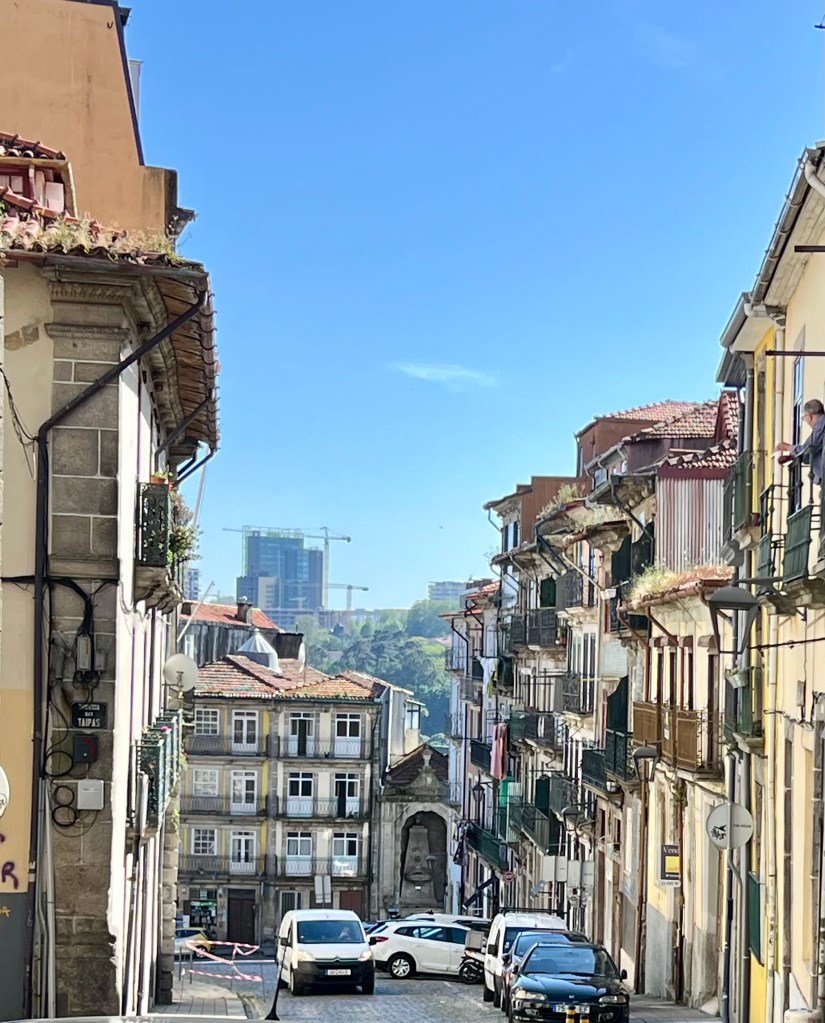
Time for another nap or at least some chilling before calling it a night early. Tomorrow is another day. Adventures await…
 Judy’s Rambles
Fascinating! The beautiful blue Portugal sky.
LikeLike
It was indeed a spectacular day yesterday and today looks fabulous as well.
LikeLike
Where are your “rambles” taking you this time?
LikeLike
Hey Jane. I’m checking out Porto, the Douro Valley and then heading to Lisbon to hope on a cruise with stops in Spain, France, Germany and the Netherlands. Should be fun!
LikeLike
Are you going to walk some of the camino portuguese?
Enjoy your travels!
Mary Jo
LikeLike
Not this time MJ. Just being a tourist and then heading out on a cruise Saturday.
LikeLike