
April 25, 2025
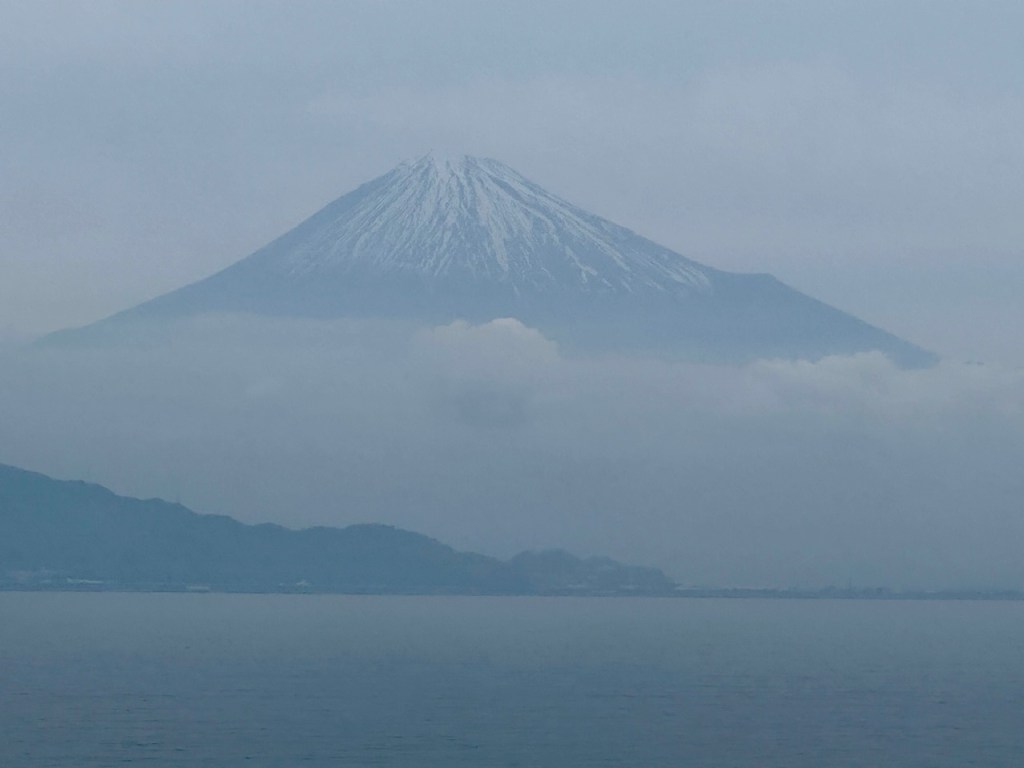
Today is the last day of the cruise; always bittersweet though the best part of any trip is coming home. We’re in Shimizu; the port where we may get a chance to see Mount Fuji; Japan’s tallest peak at 3776 meters in all her glory. Fuji-san is an active volcano about 100 kilometers southwest of Tokyo and the most revered of Japan’s 3 sacred mountains. The forecast is so so but I’m optimistic that Fuji-san will get over her shyness and give us a glimpse of her spectacular beauty.
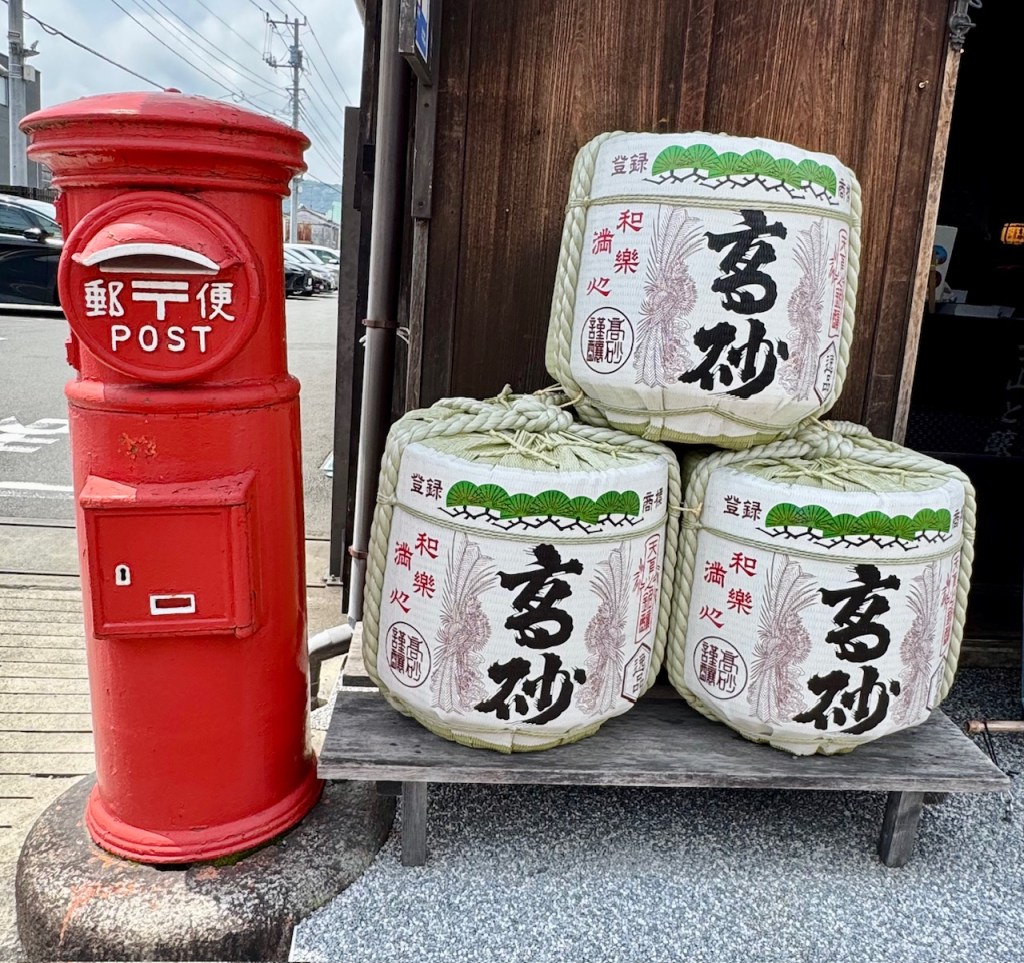
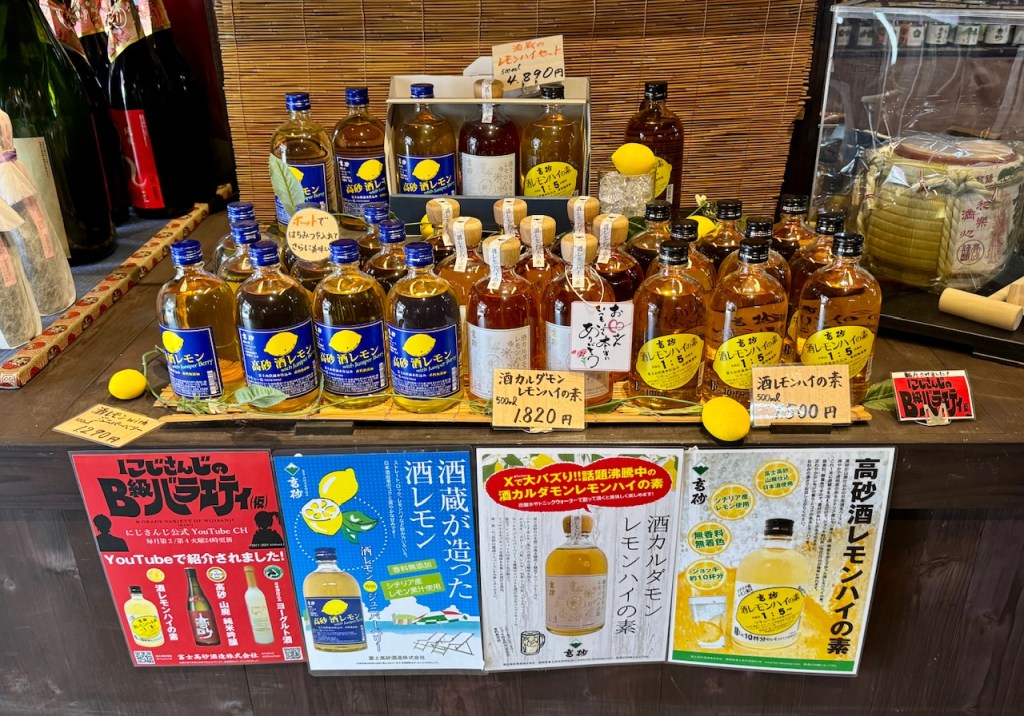
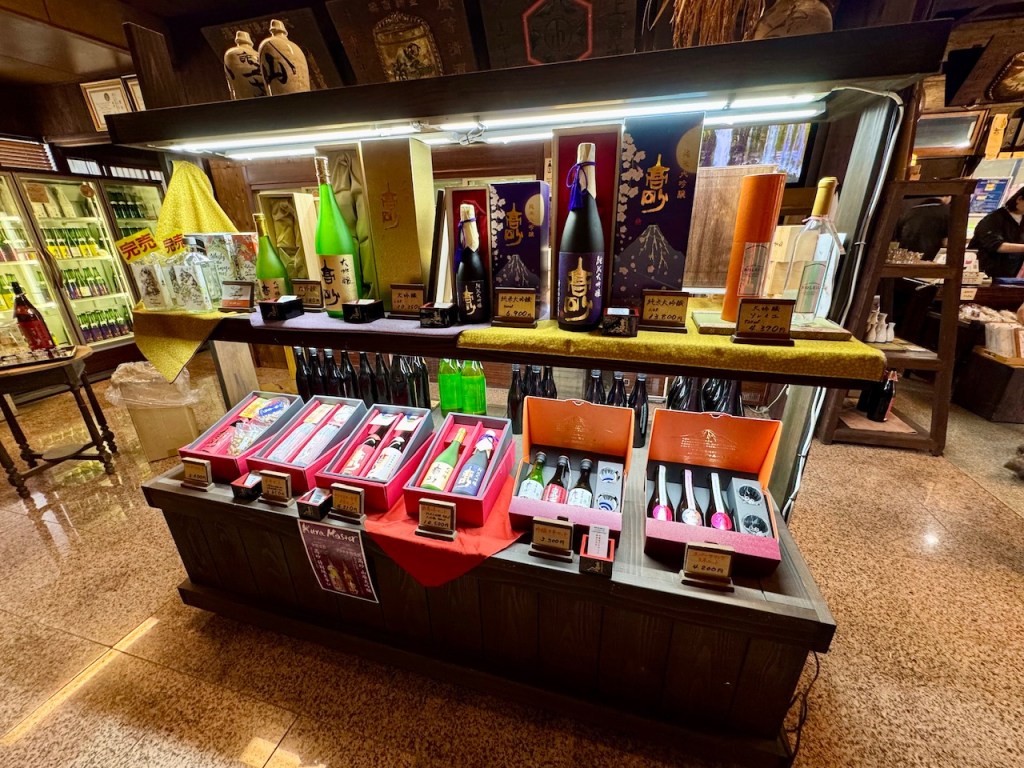
I’m on a ship excursion with our enthusiastic guide Junki who regales us with history and stories as we head to our first stop; Fuji Takasago, a small sake brewery founded in 1831 at the foot of Mount Fuji. The water from the snow melt that runs off the mountain takes nearly 100 years to filter through the earth’s underground layers, leaving the water extraordinarily pure. The brown cedar ball hanging outside indicates it is a sake brewery and we get a quick tour of the brewery, enjoy a tasting and some time to shop.


Unlike large scale breweries that make saki year round, this small brewery makes only one batch per year (October through mid-April). The main ingredient is sake rice and the process includes polishing the rice, washing, soaking, steaming, molding/koji making, fermentation, pressing, filtering, pasteurization, aging, watering, filtering again, pasteurization again and bottling. The method is traditional and any mistakes in the process result in sake that must be thrown away.


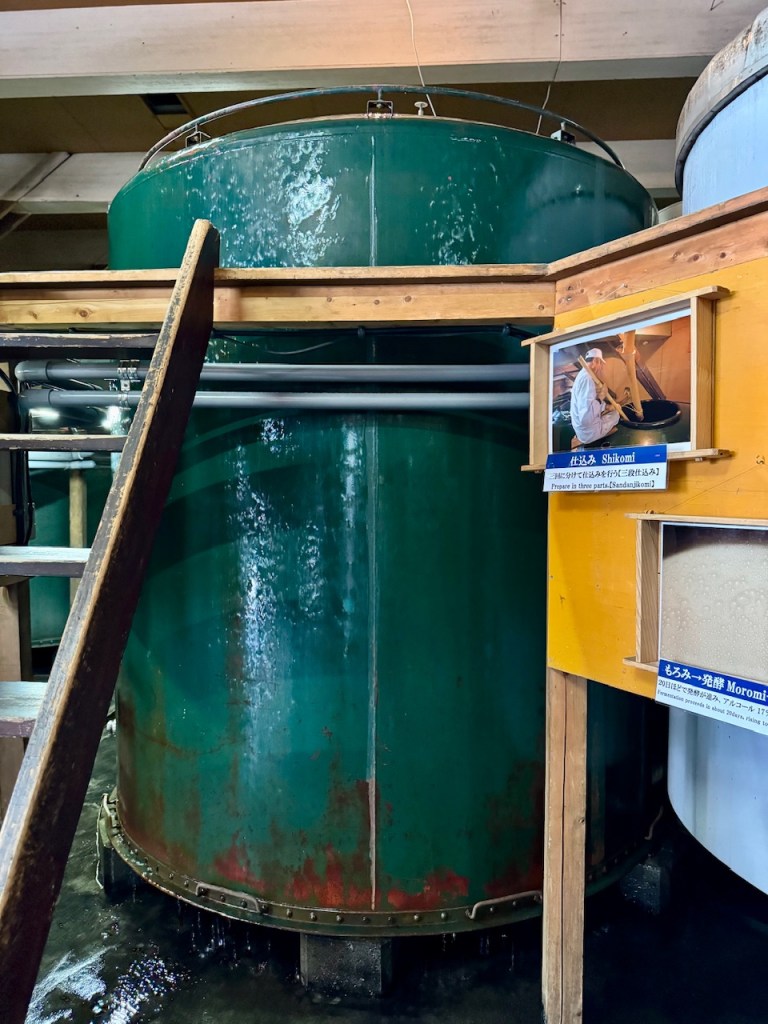
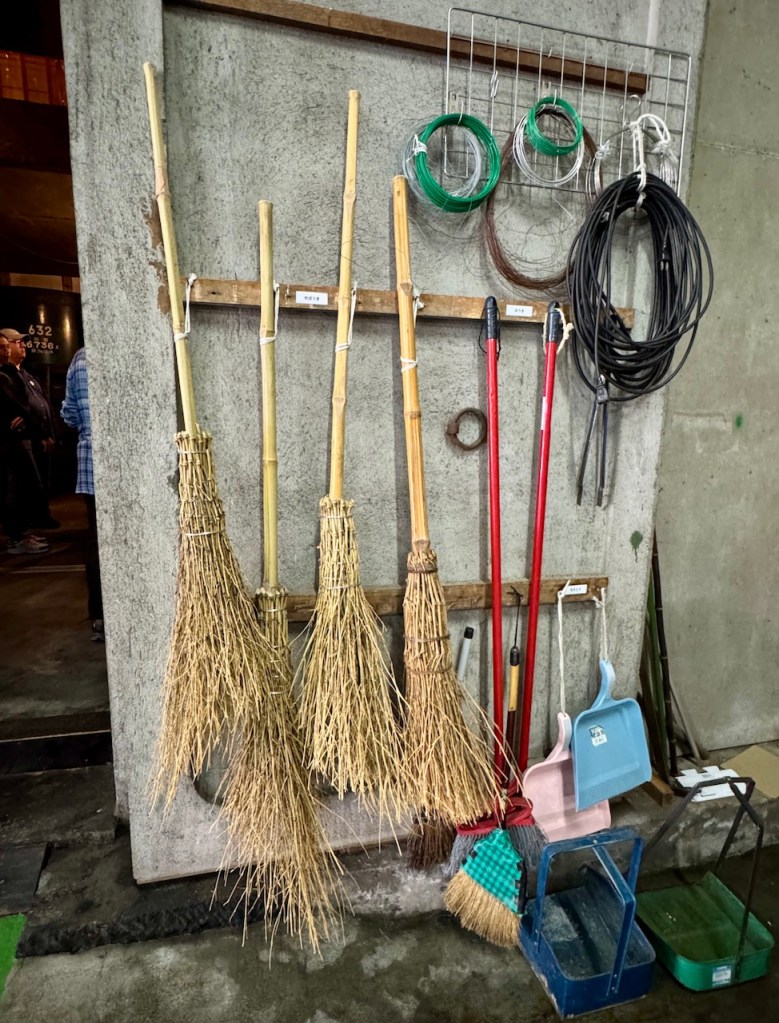

The building is old and the equipment is not shiny and modern but they’ve been doing this for a long time and the proof is in the pudding. The sake was good and they had made liqueurs by adding yuzu and green tea that I especially liked.


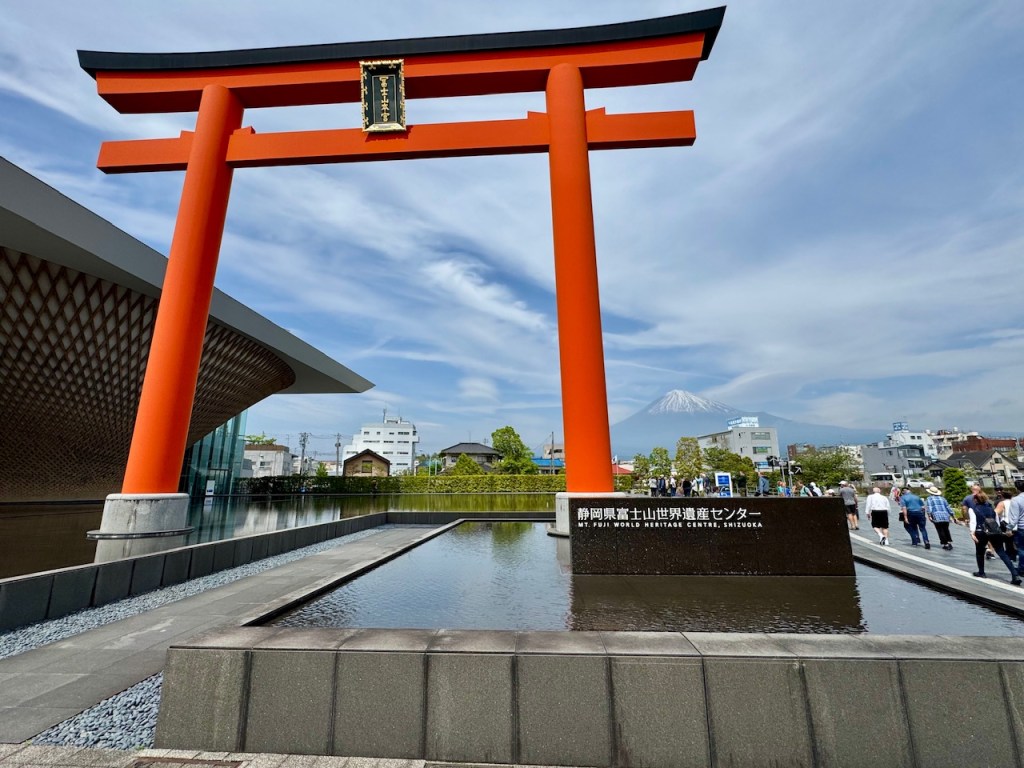
Our next stop is the Mt. Pleasant Fuji World Heritage Centre in Shizuoka. Opened in 2017 to commemorate the mountain’s designation as a UNESCO World Heritage Site, the center boasts a viewing deck and a variety of exhibitions pertaining to the volcano’s history and cultural significance.
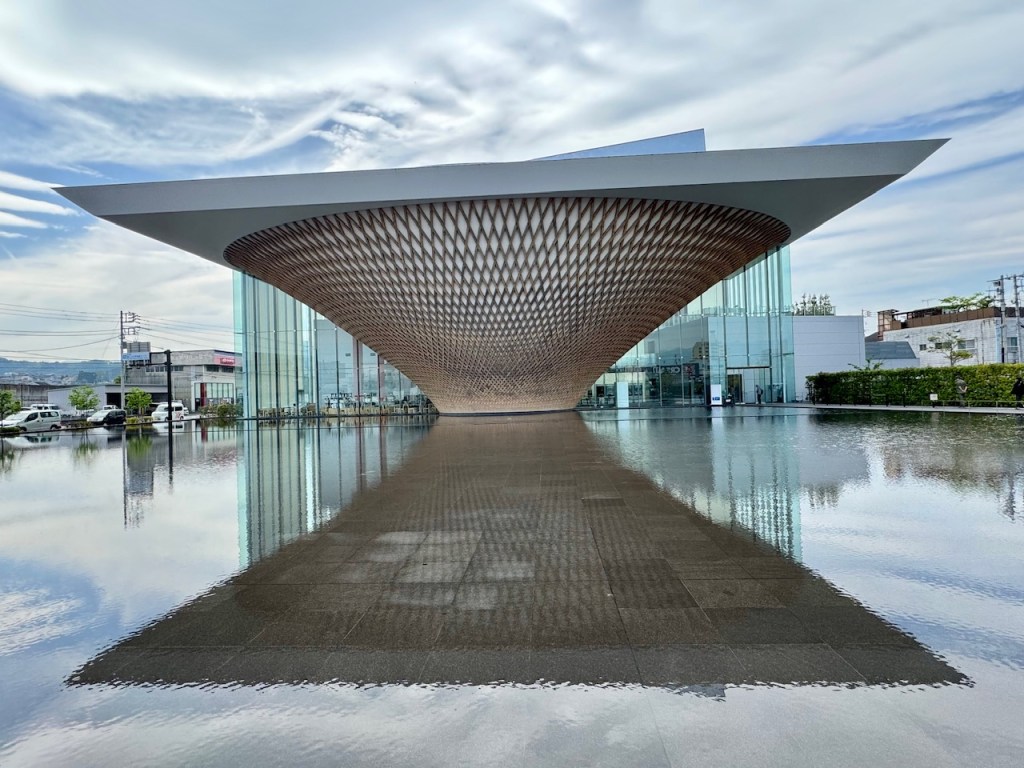
The building has an inverted lattice conical form that reflects in the pond outside to mimic the shape of the iconic mountain. Inside the centre, there is a 200 meter long, sloped walkway that corkscrews up through and around the floors of the building with projections of climbers on the pilgrimage to the summit.
The summit has been thought of as sacred since ancient times and was forbidden to women. Tatsu Takayama, a Japanese woman, became the first woman on record to summit Mount Fuji in the fall of 1832 and it wasn’t until 1876 that all restrictions against women climbing the mountain were officially removed.
Today, 200,000 to 300,000 people climb Mt. Fuji every summer using one of the four established routes. Climbers typically begin their climb the previous day, stay overnight at a lodge on the mountain, then start climbing early the next morning to watch the sun rise over the horizon. Littering is a problem on the mountain so to help with clean up and maintenance, the Japanese government intends to start charging 4000 yen (around $40 CDN) this summer.
On the top floor is the Observation Hall, with an open-air deck where visitors hope to see spectacular views of Mount Fuji. Luckily for us Fuji-san has gotten over her shyness from this morning and we are afforded a great view of the mountain topped with magnificent clouds.


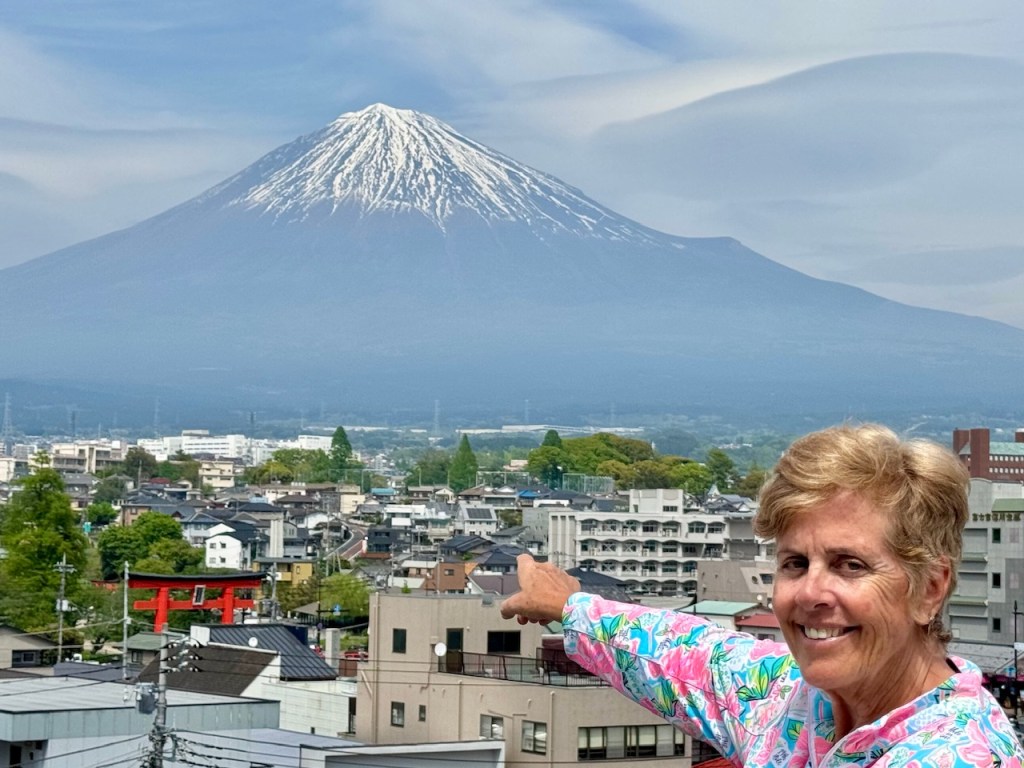
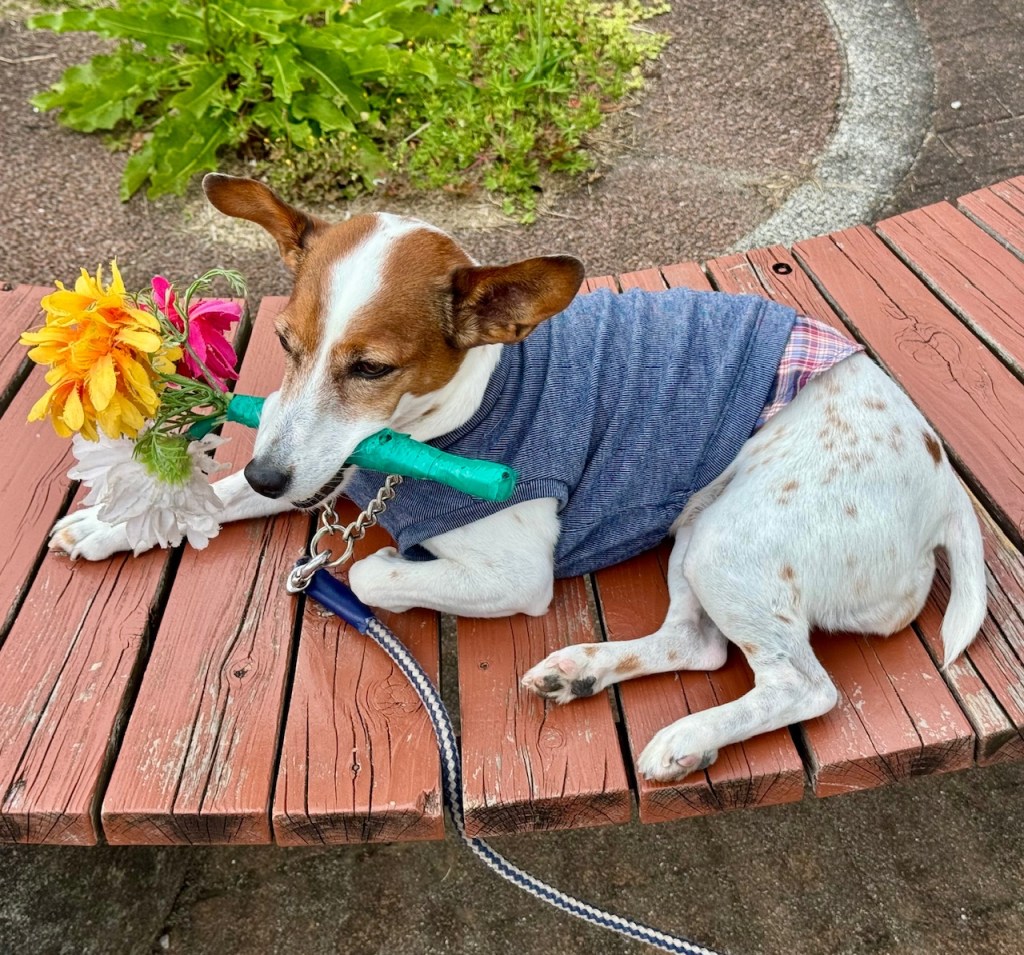
Soon enough it’s time for our return to the ship where there is a friend waiting for us!

Tonight’s dinner is in Cagney’s and I join Jan and Pete to enjoy my last night catching up on their day’s activities. After indulging in giant shrimp cocktail, wedge salad, my typical main course of perfectly cooked lamb chops and seven layer chocolate cake washed down with a couple of glasses of wine, it’s back to my cabin to complete the (over)packing for tomorrow’s disembarkation.
Tomorrow is another day. Adventures await…
 Judy’s Rambles