Wandering Through Northern Europe – Cheese, Harbours, Wooden Shoes and Windmills

June 6 – Edam, Volendam and Zaanse Schans

Today I’m off on a guided tour of a few of the towns and villages outside of Amsterdam. All aboard the bus to meet our bus driver, Peter, who has just had a bad haircut so is now wearing a hat and our guide, Aaf who is laughing so hard at Peter’s haircut she can barely speak, lol! It’s going to be a fun day! should have snapped a pic of Peter’s do but I’m too nice, lol!

Our first stop is Edam, a quaint village with around 7000 inhabitants on the shore of IJsselmeer lake. The town of Edam dates back to the 12th century and has a lot more going for it than cheese (though that is pretty good as well!). 

My next home?

In the 12th-century, farmers and fishermen built shacks on the banks of the IJ river. This simple village evolved into the city of Edam, which continuously grew in prosperity until the late 17th century. In addition to cheese, shipbuilding and trade also contributed to Edam’s development. It once was one of the most important trading cities in Holland. 

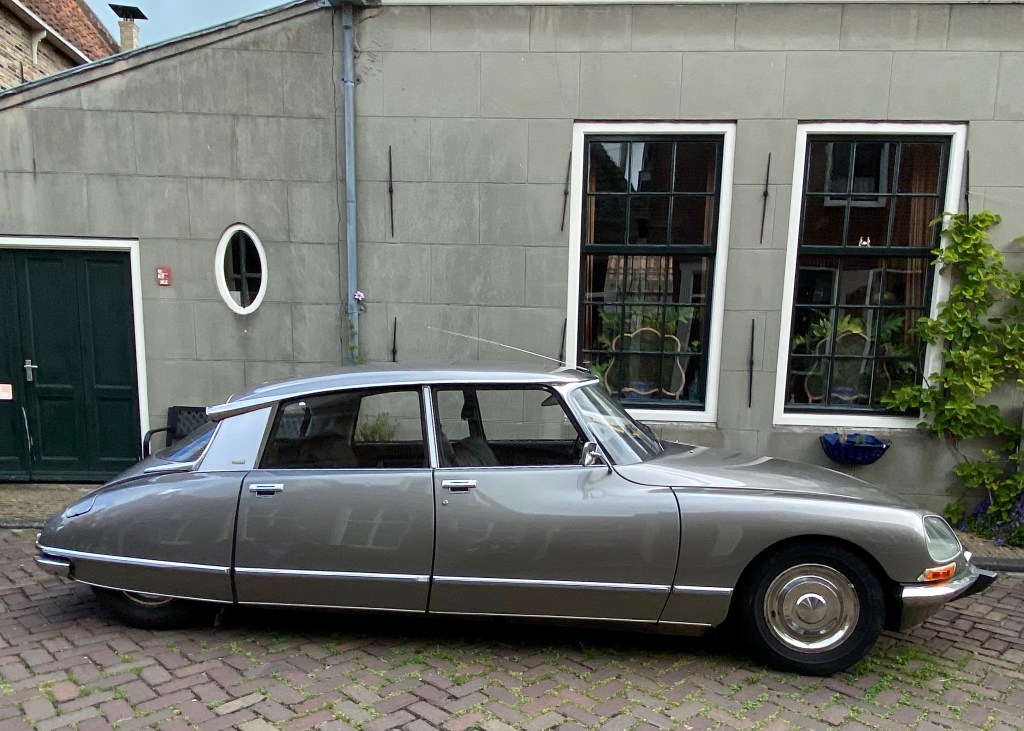
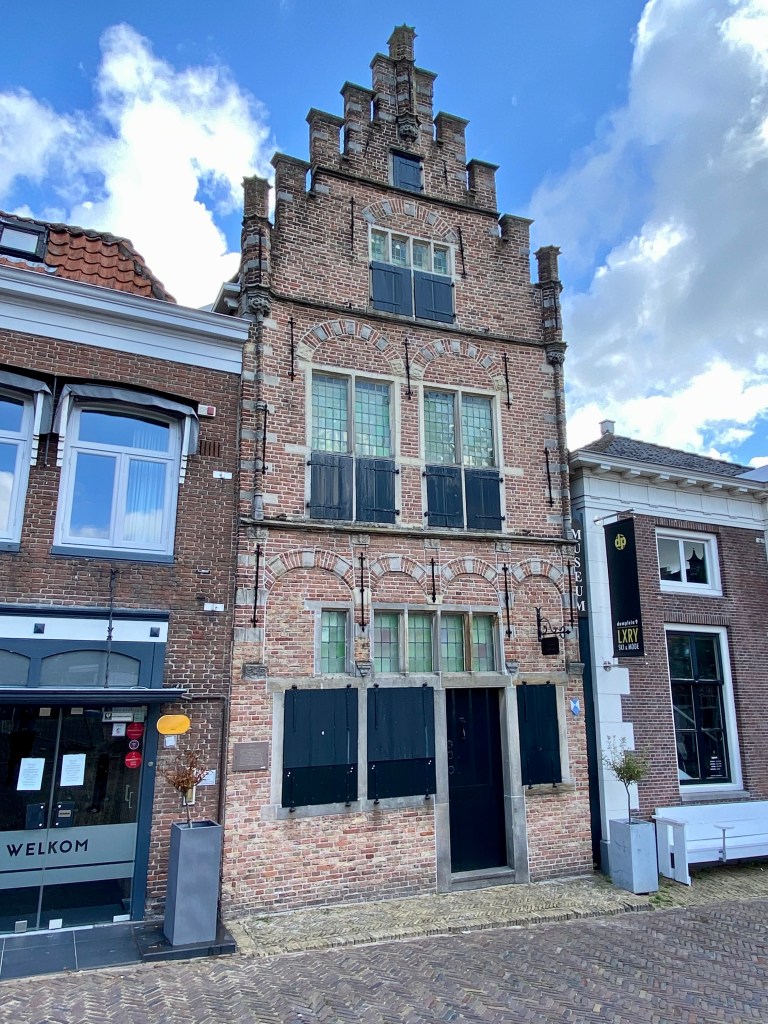
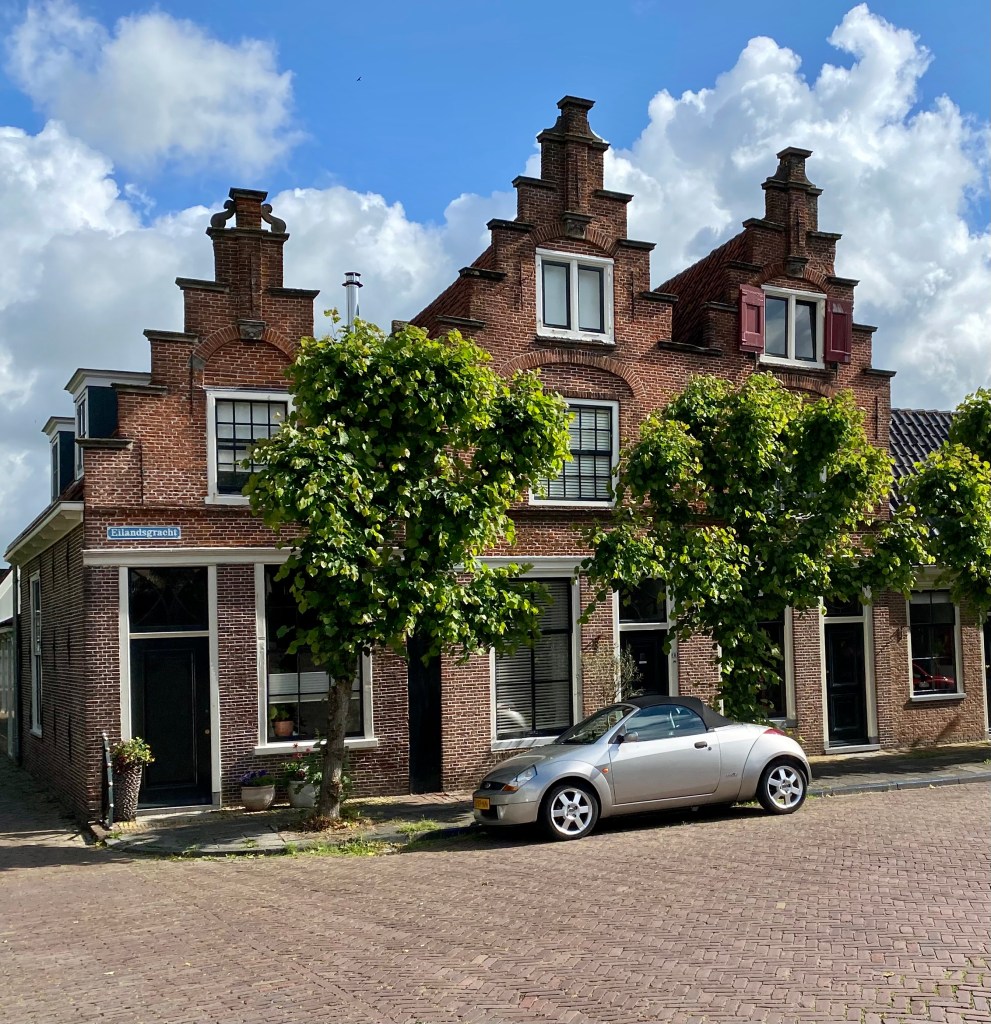
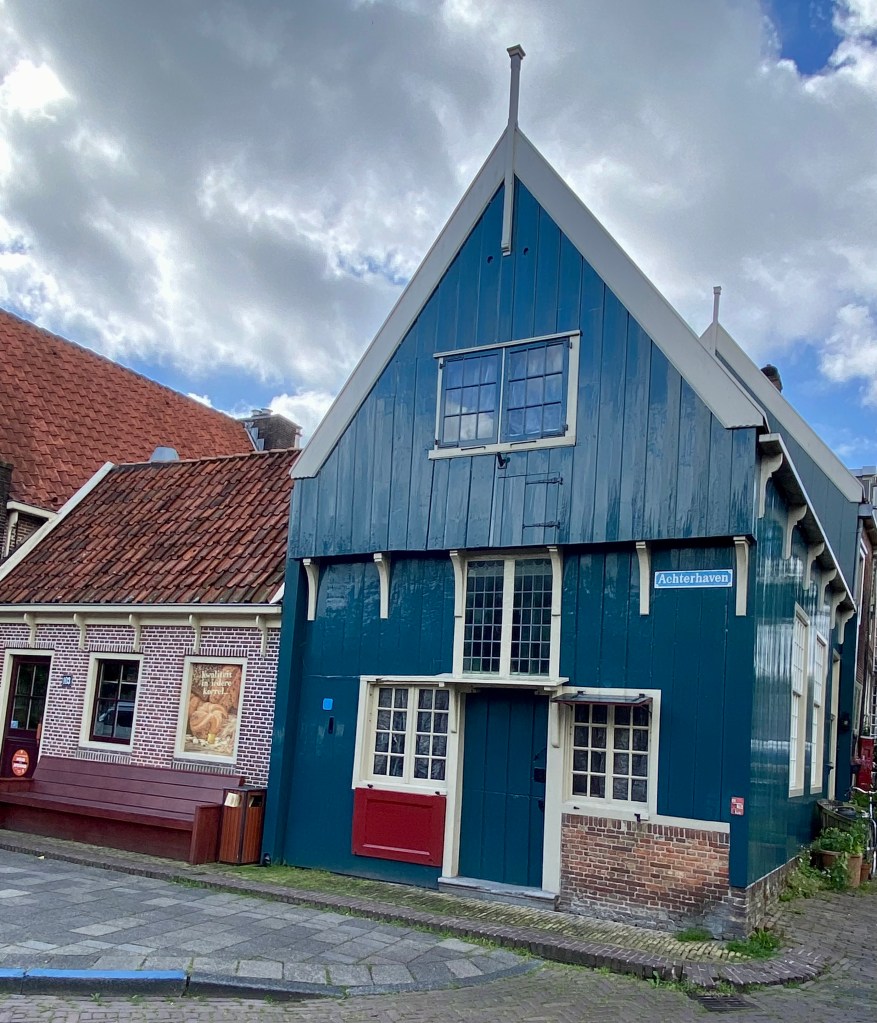
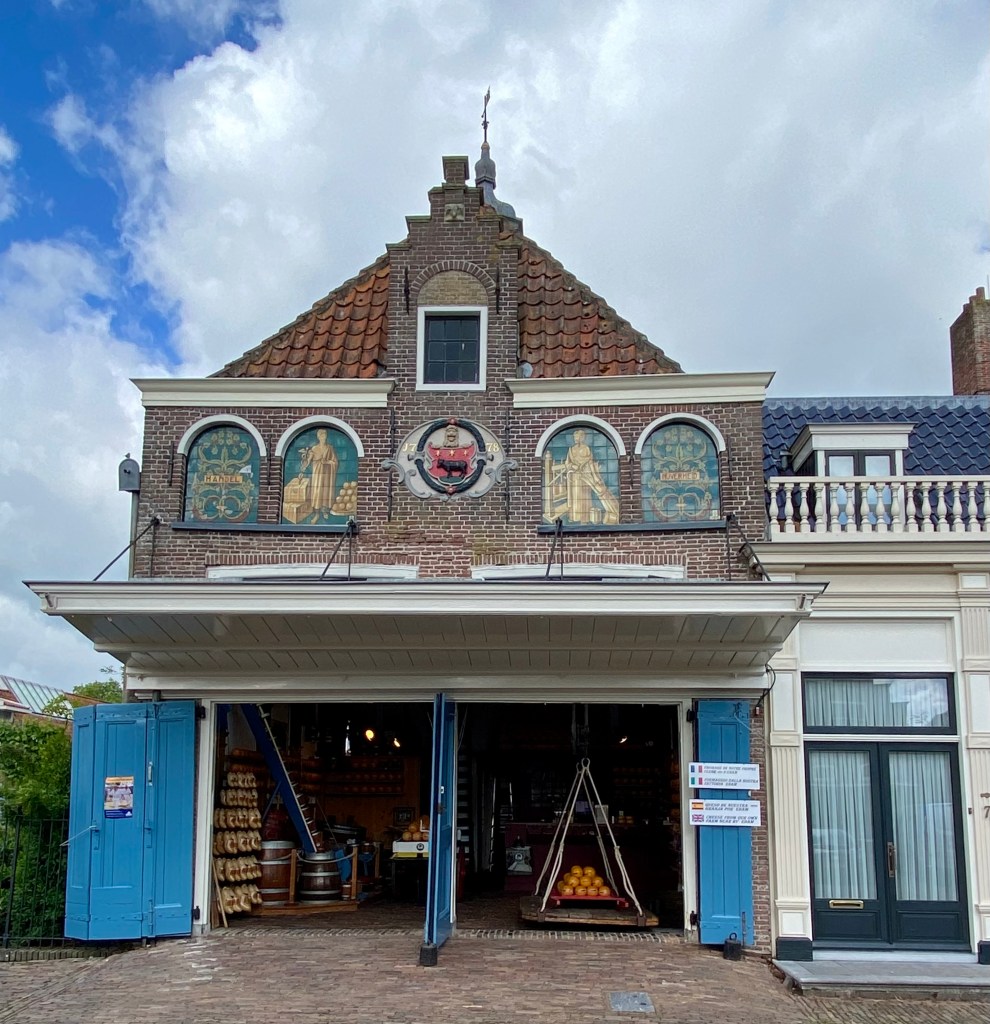
Today Edam is a picture perfect town and definitely worth a wander when you visit Amsterdam. In our short walk we passed some lovely properties on the bank of the IJ River complete with sun houses, a Citroën DS aka Goddess, narrow brick houses similar to those painted by Vermeer, Achyerhaven ; a rare wooden house from 15th century (it’s illegal to build wooden houses in Netherlands now due to fire risk) and a cheese weighing house to name of few of the highlights. The Edam Museum was not open and we didn’t have the time anyway but it is housed in a beautiful late Gothic merchant’s house which is the oldest brick-built house in Edam (built between 1540 -1550). In 1893, Edam city bought the building and following restoration, it was opened in 1895 as a museum that still operates today.

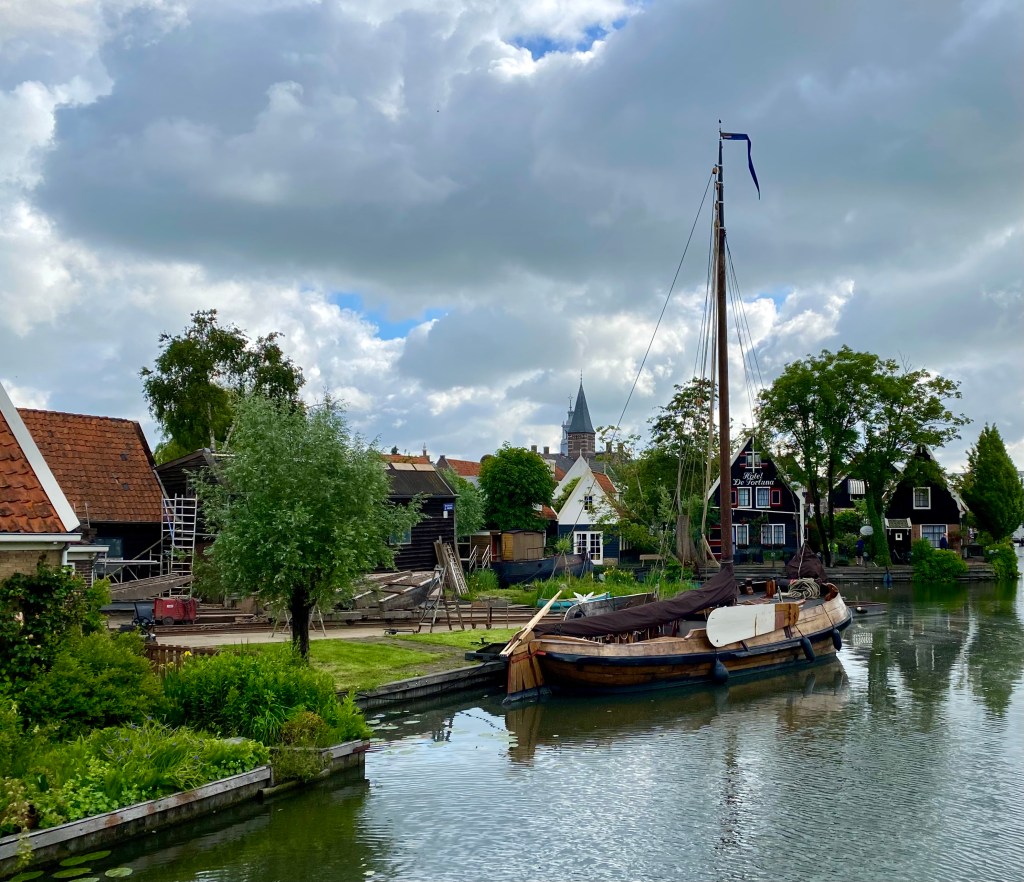
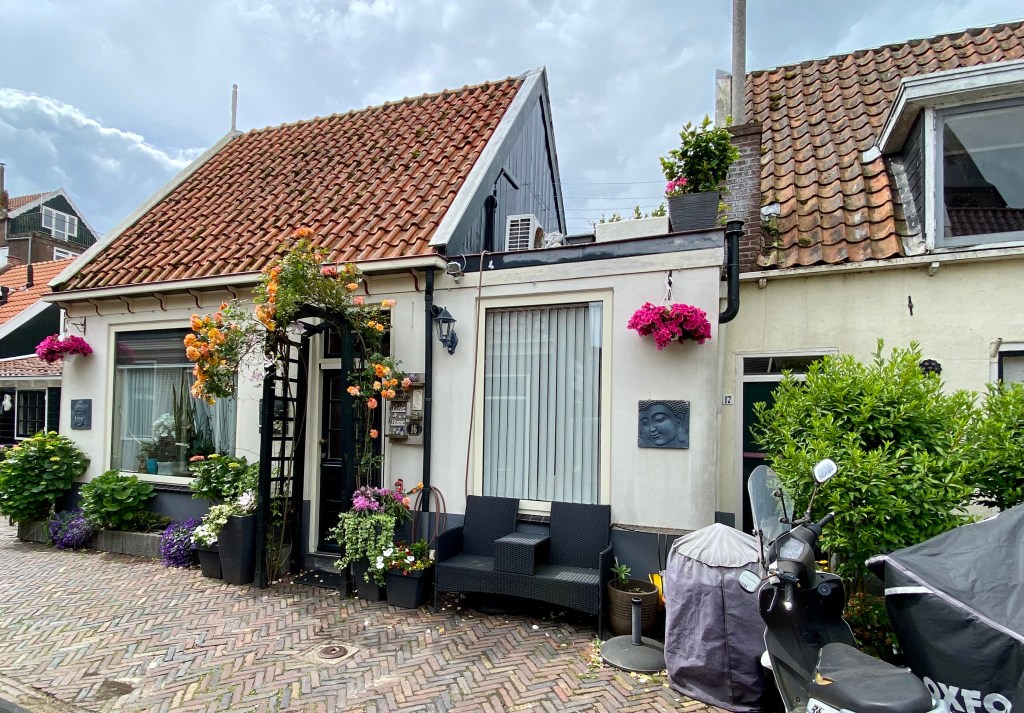
Maybe I can move into one of these cute sun houses?
Or one of these?
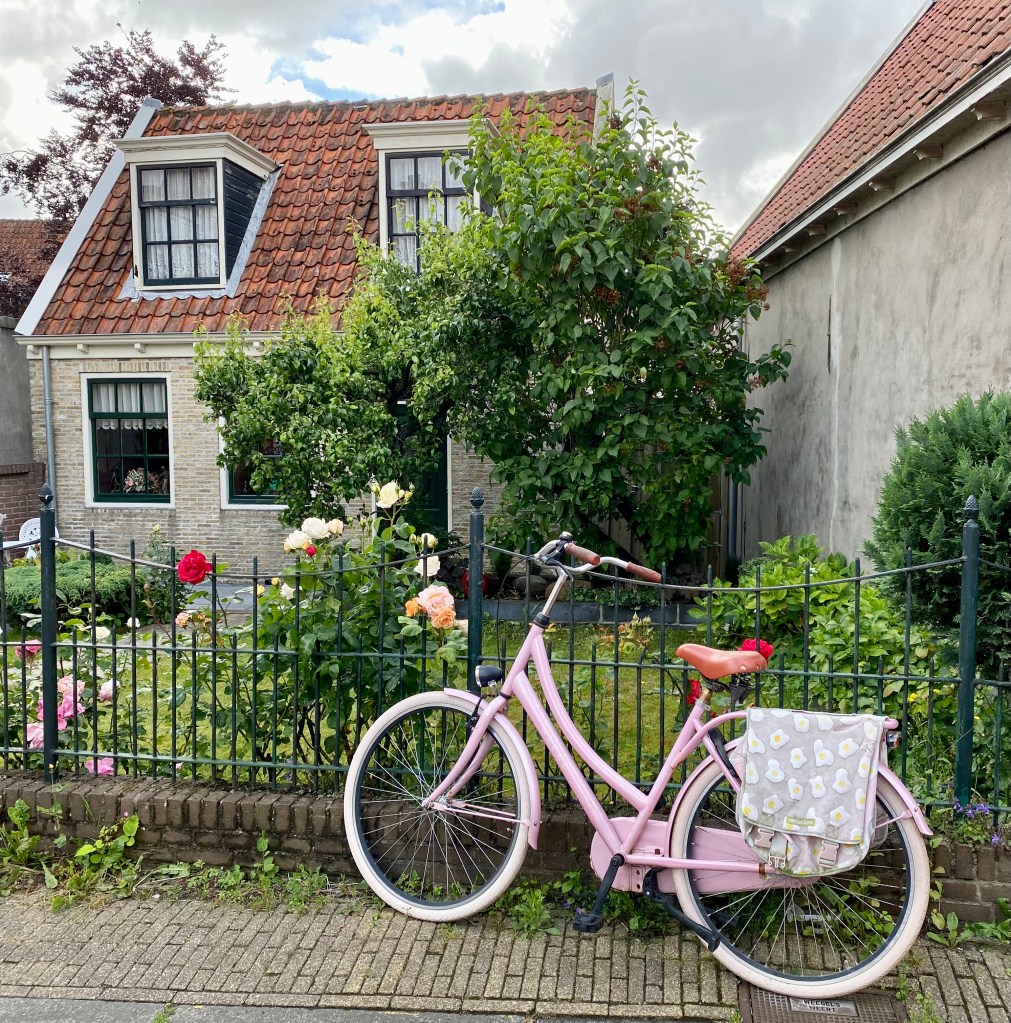
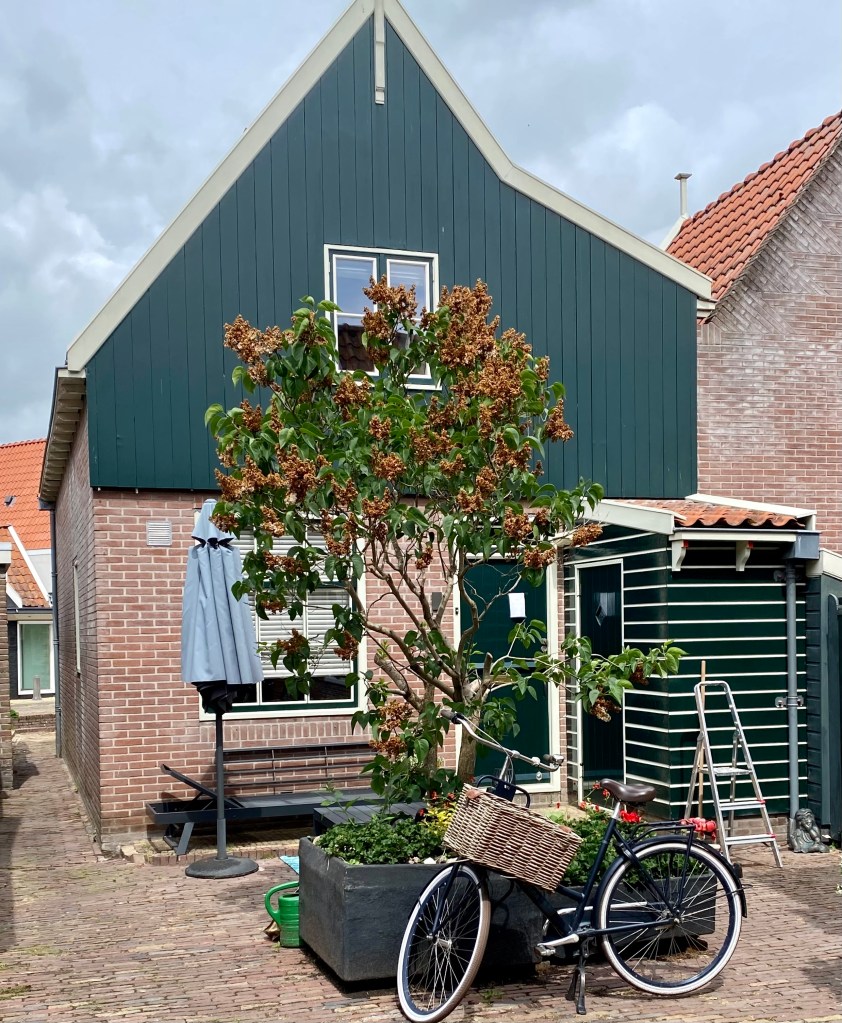
Or here and I’d even have a pink bike!
Citroën Goddess – My new car?
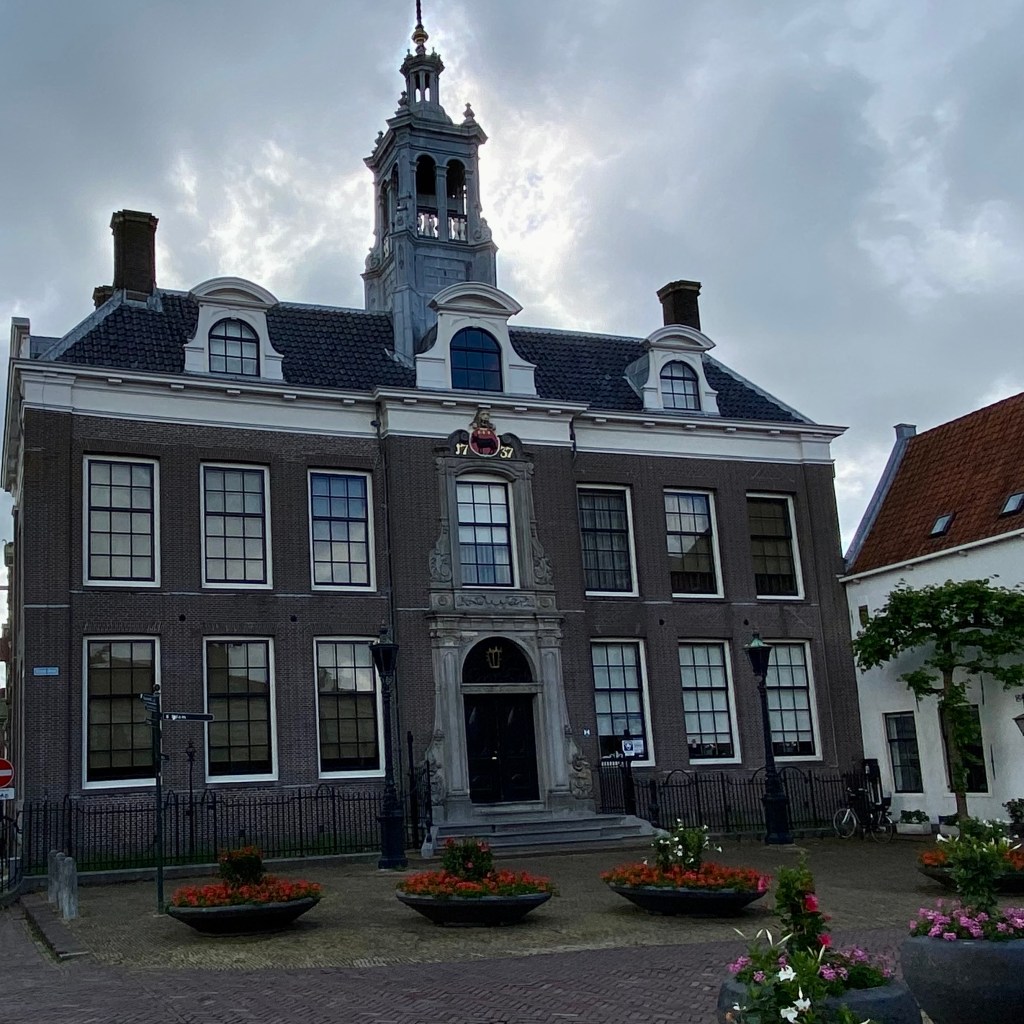
Town Hall
Edam Museum
Typical narrow house – everyone in this town appears to have a nice car!
Wooden house – last one in town!
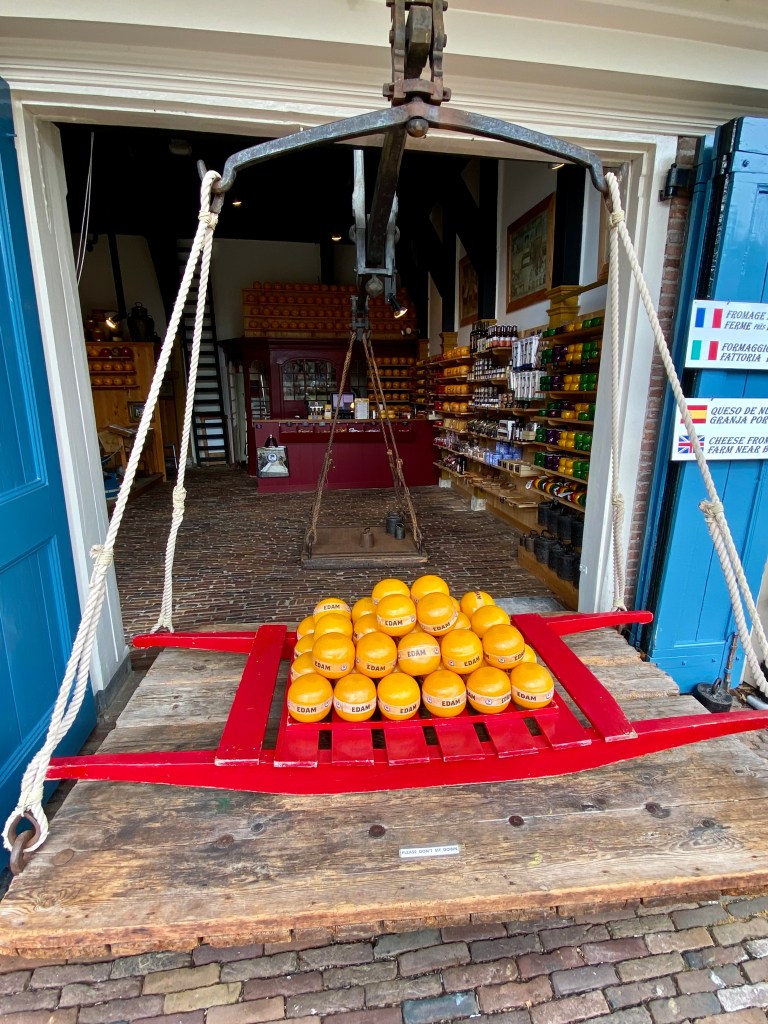
Cheese weighing station
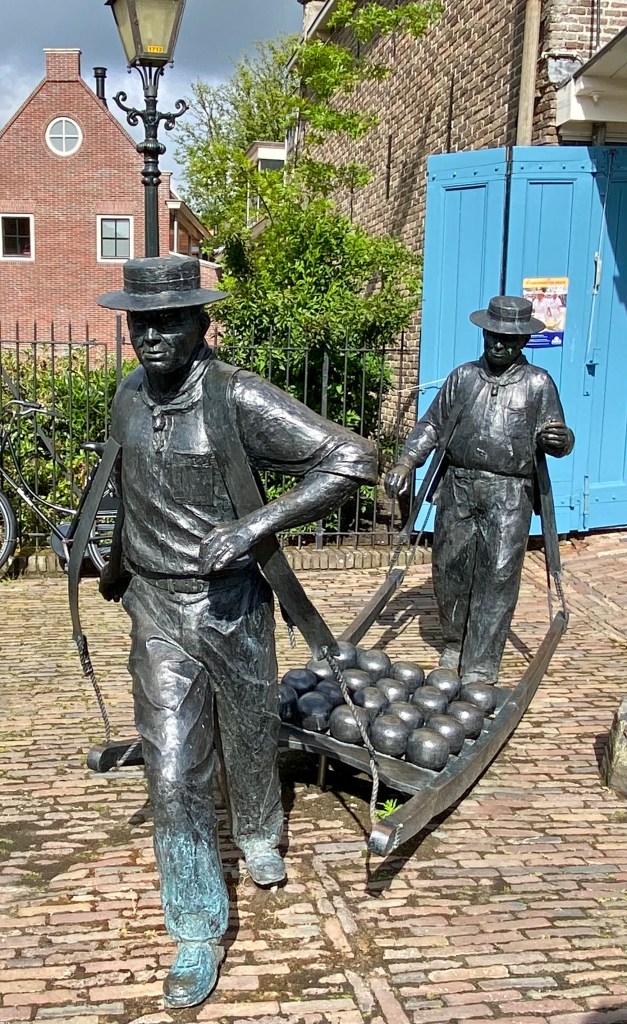
Edam Cheese
Balancing the scales

Next stop on the tour was a “farm tour” which was more like a cheese store where we heard the story of Henri Willig and the growth of his cheese empire traditional cheeses that are shipped around the globe. After a brief description of the cheese making process, there were a myriad of cow, goat and sheep milk cheeses to sample in a wide range of flavours. There was even a purple lavender flavoured cheese. Nice colour but not for me! I did, however, take a liking to the extra old goat cheese so I bought some to share with a Chantale next weekend when she joins me in Amsterdam. 
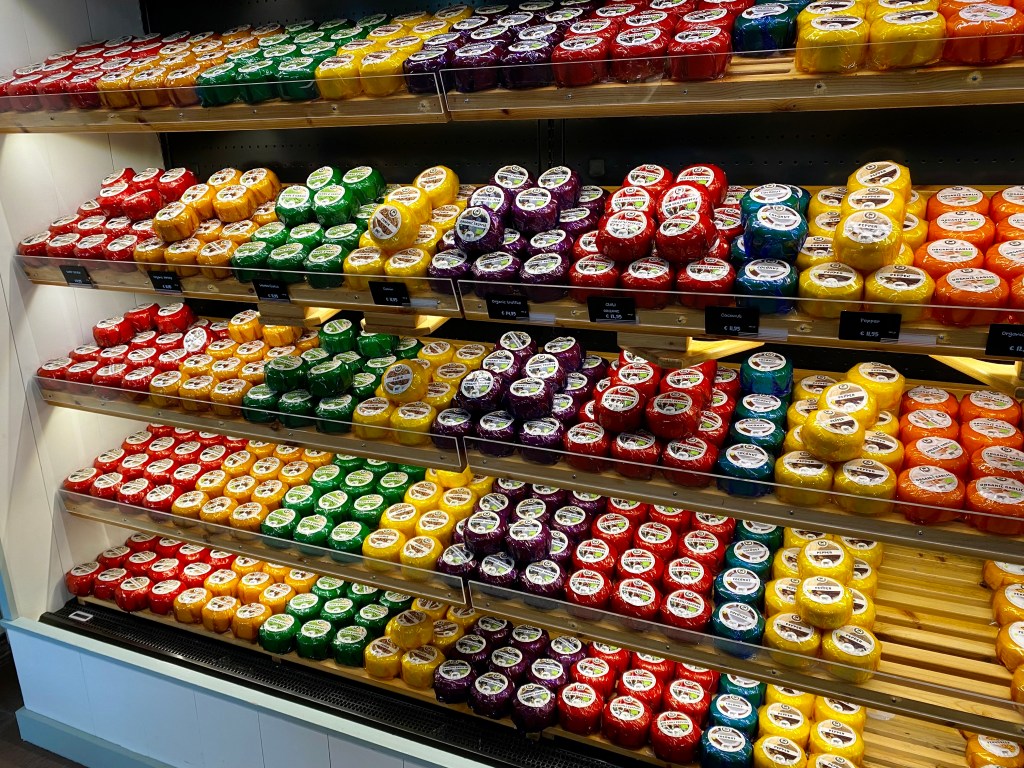
Holy geez look at the cheese!
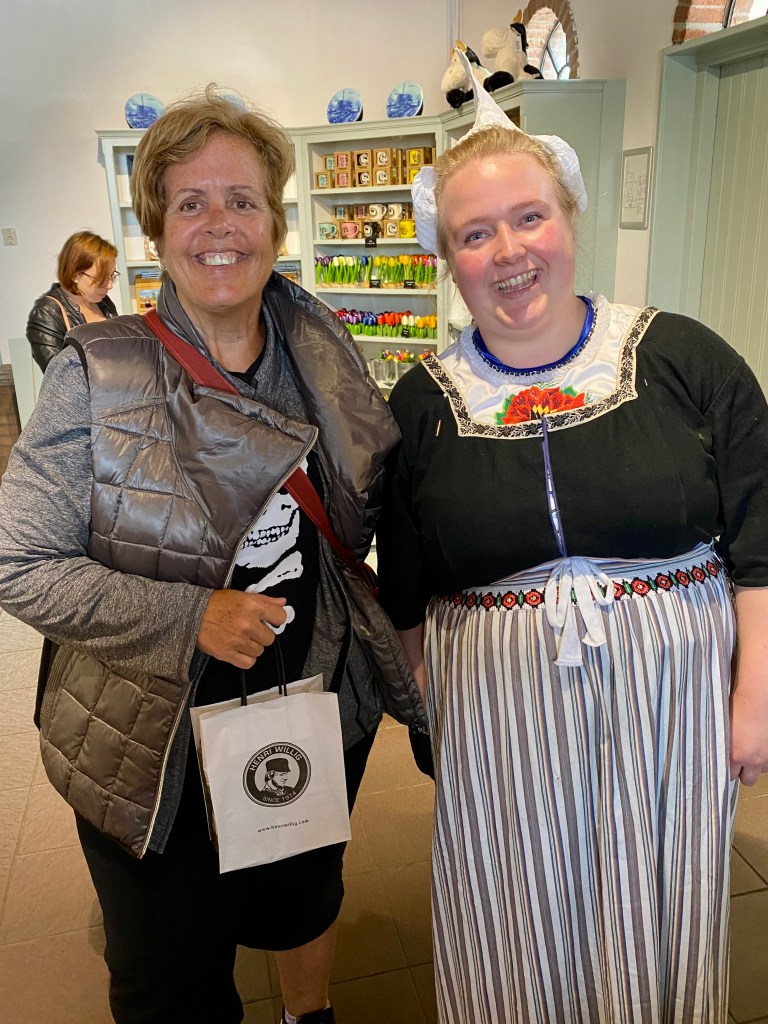
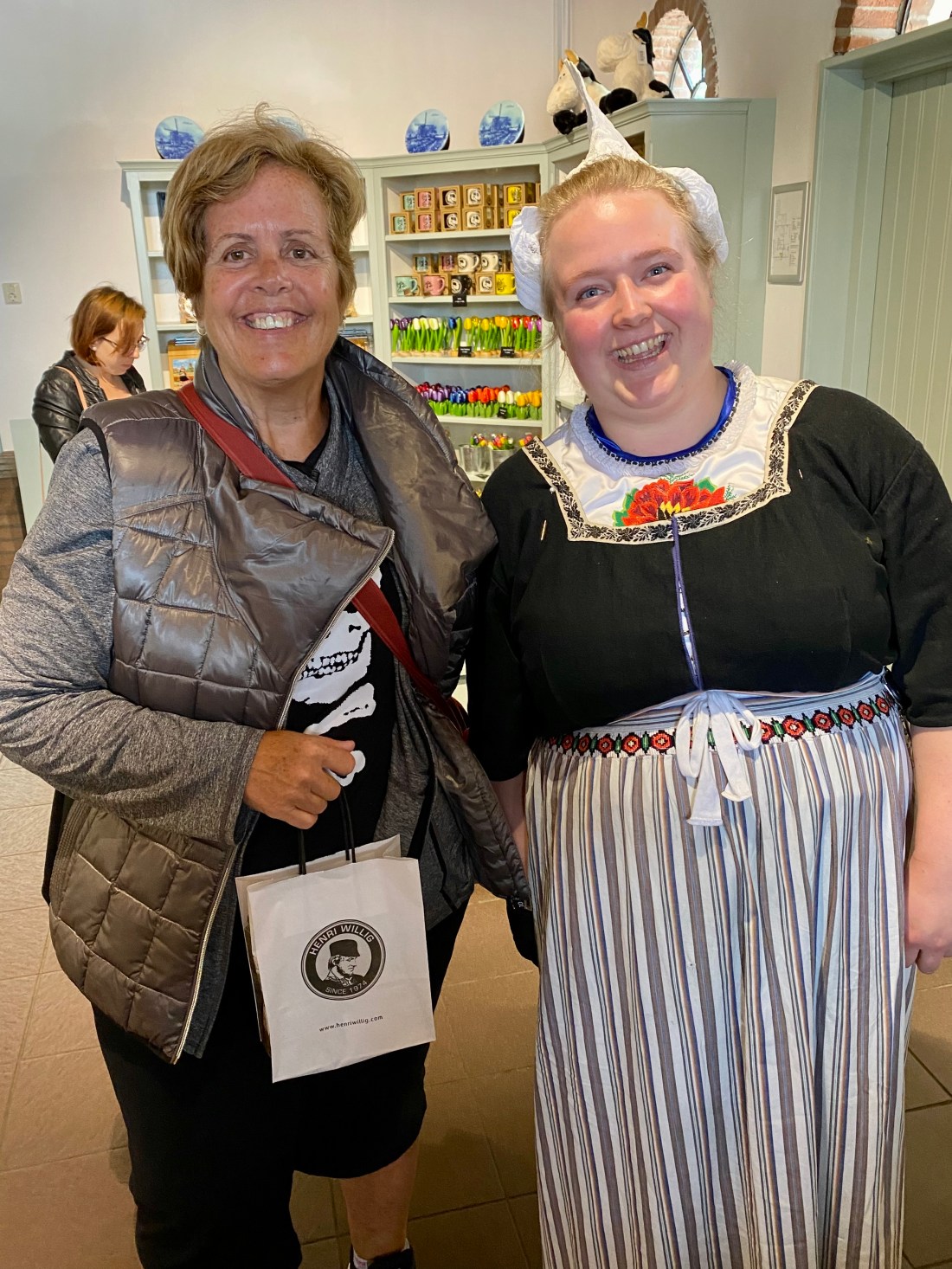
Hanging with the natives
Windmill through the window

Next up is Volendam. Volendam used to be the poor cousin of Edam though today the two towns are joined as a municipality and Volendam is bigger and just as prosperous or maybe more so. 

Volendam is first and foremost a fishing village on IJsselmeer lake. IJsselmeer lake used to be an inland sea but because of frequent flooding an enclosing dyke was built in 1932 to prevent the salt water from the north sea from entering the former inland sea. So now, it’s pretty much a freshwater lake.

Volendam is as quirky as Edam is quaint. When you leave the harbour and head toward the center of town it’s hard to tell whether you’re in someone’s lane way/yard or on a “street” so that part of town is aptly called the maze.
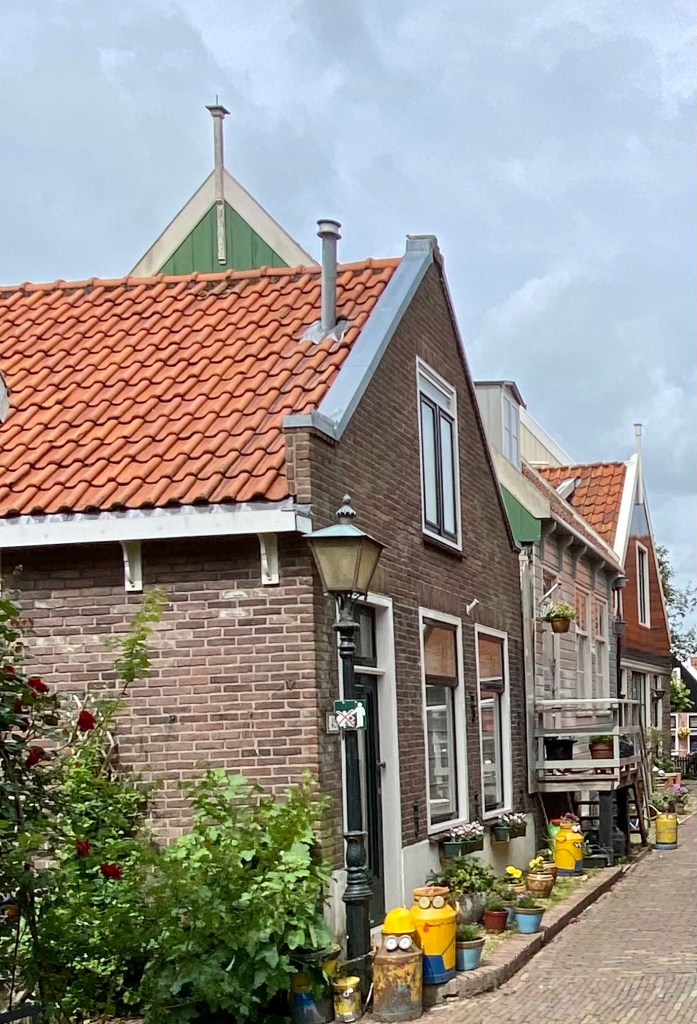
Wandering the maze with the minions
Lost in the maze
Another house in the maze

The harbour-front boasts beautiful old ships, a ferry to Marken (sadly no time for that) and a replica of the Halve Maen, the Dutch East India boat captained by Henry Hudson that sailed into what is now New York harbour in 1609. The other interesting feature is Het Praathuis (the talking or liars’ house). Most fishing villages have a liars’ bench where men can weave tale tales about the fish they caught and those that got away. People in Volendam like their luxuries so they have a little house on the harbour front for this purpose. 
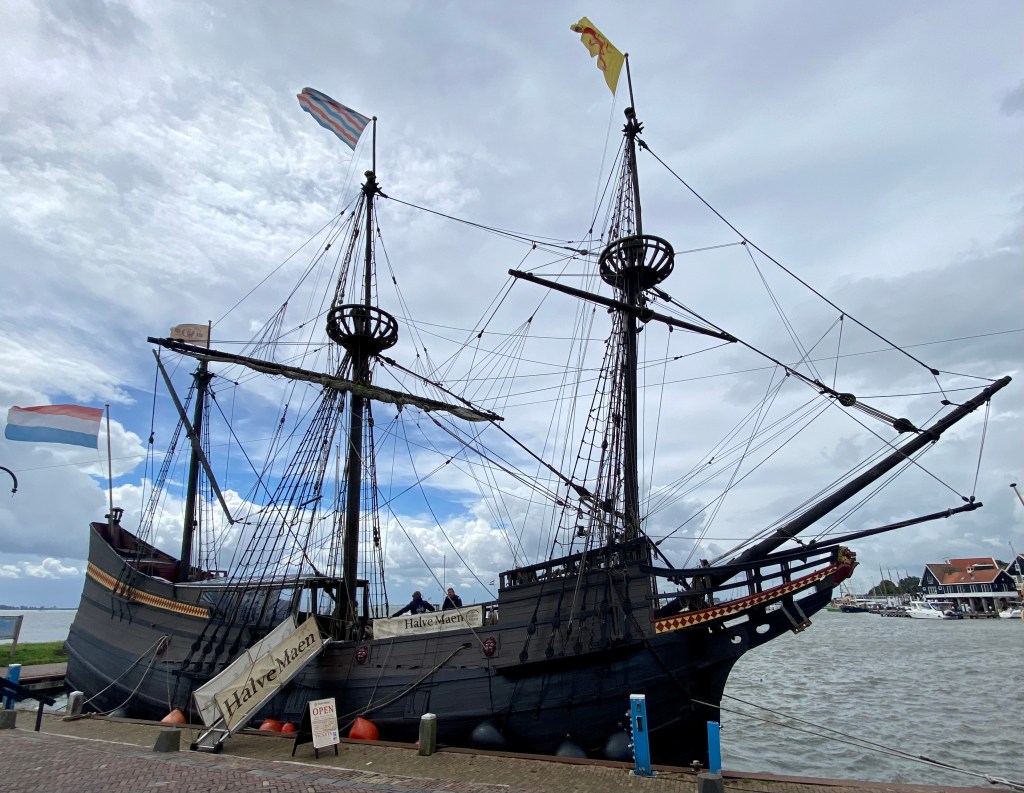
Replica of Henry Hudson’s ride
Imagine the stories these walls have heard!
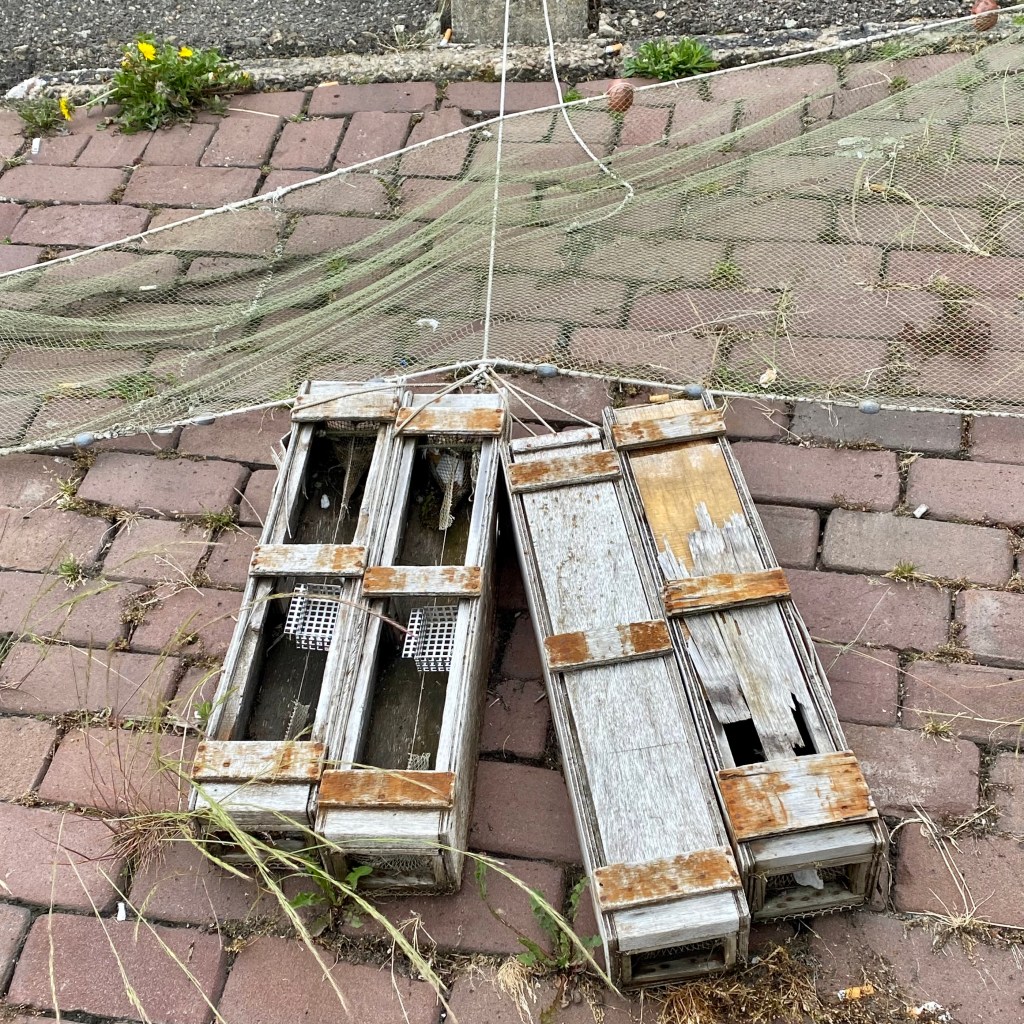
Fishing gear

One other special place in Volendam is the  Hotel Spaander. Originally opened as a café, in 1881, the new owners opened up to house some of the acquaintances they had gained from traveling overseas. What’s unique about the public areas if the hotel is the artwork. The walls of the bar and reception area are covered with art gifted by artists who stayed there but had no money to pay. This gives the place a real quirky charm.

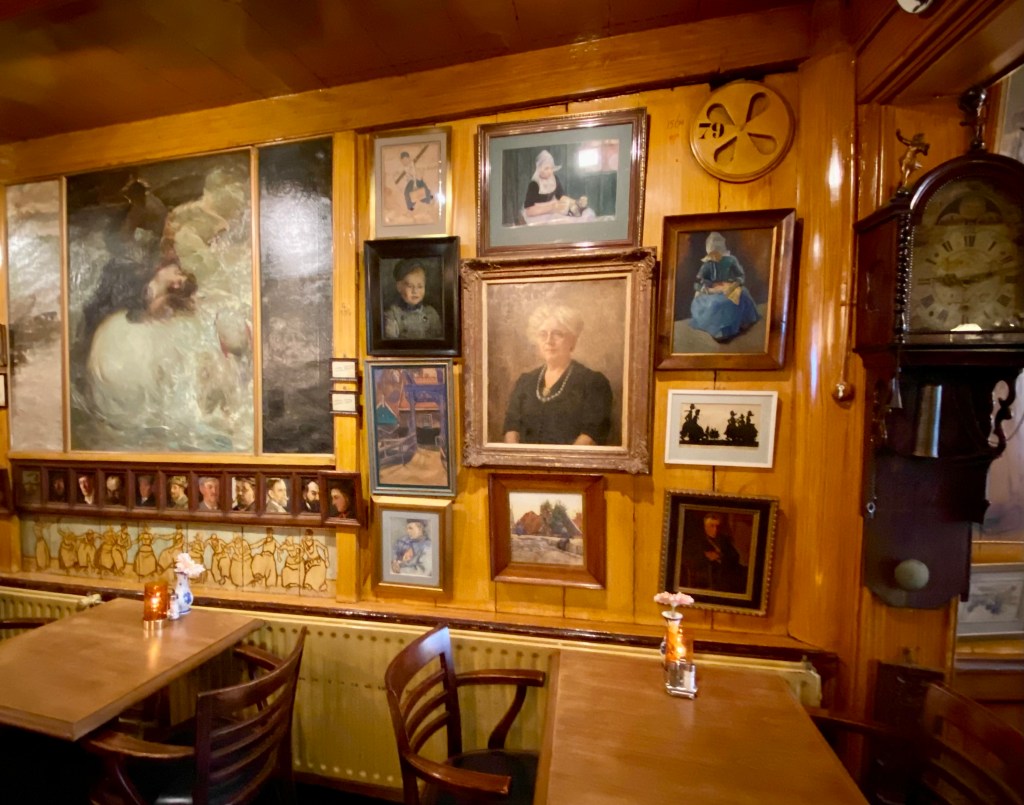
Hotel Spaander
Photo gallery in the bar
Reception area

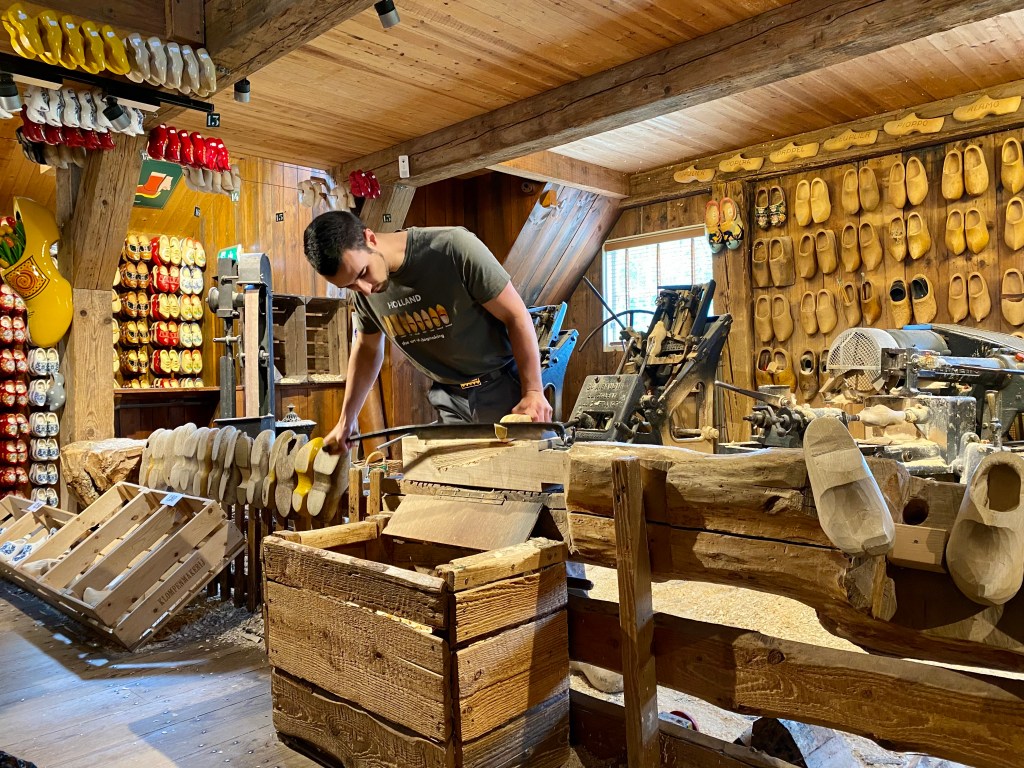
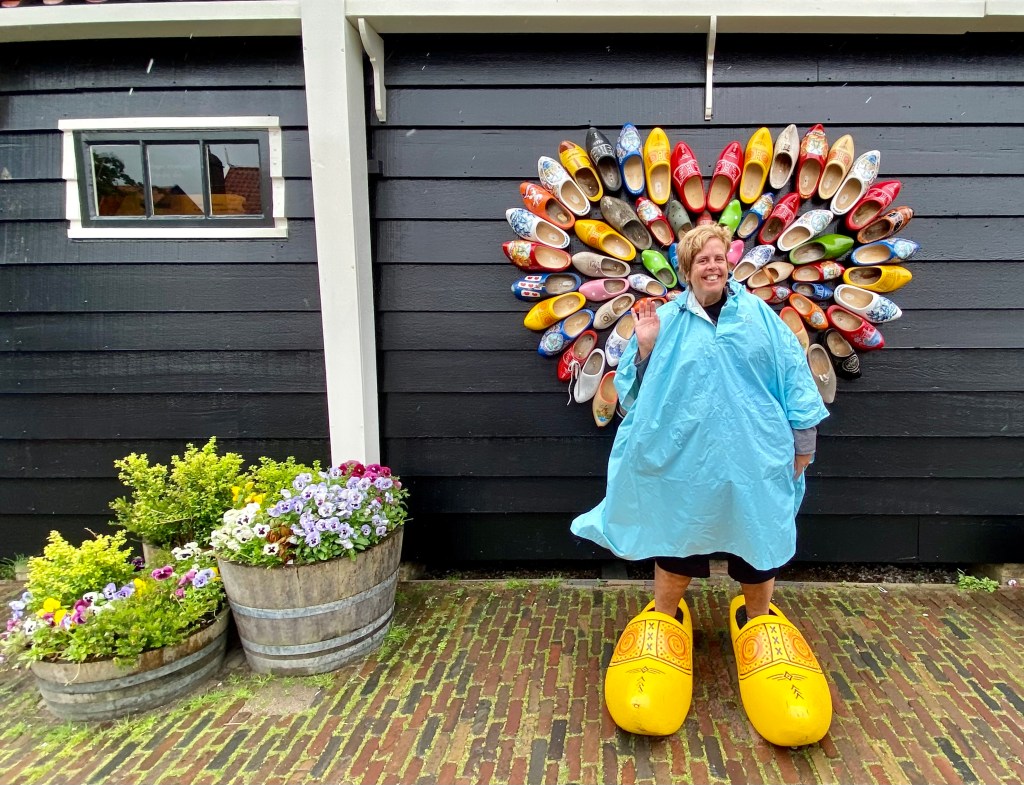
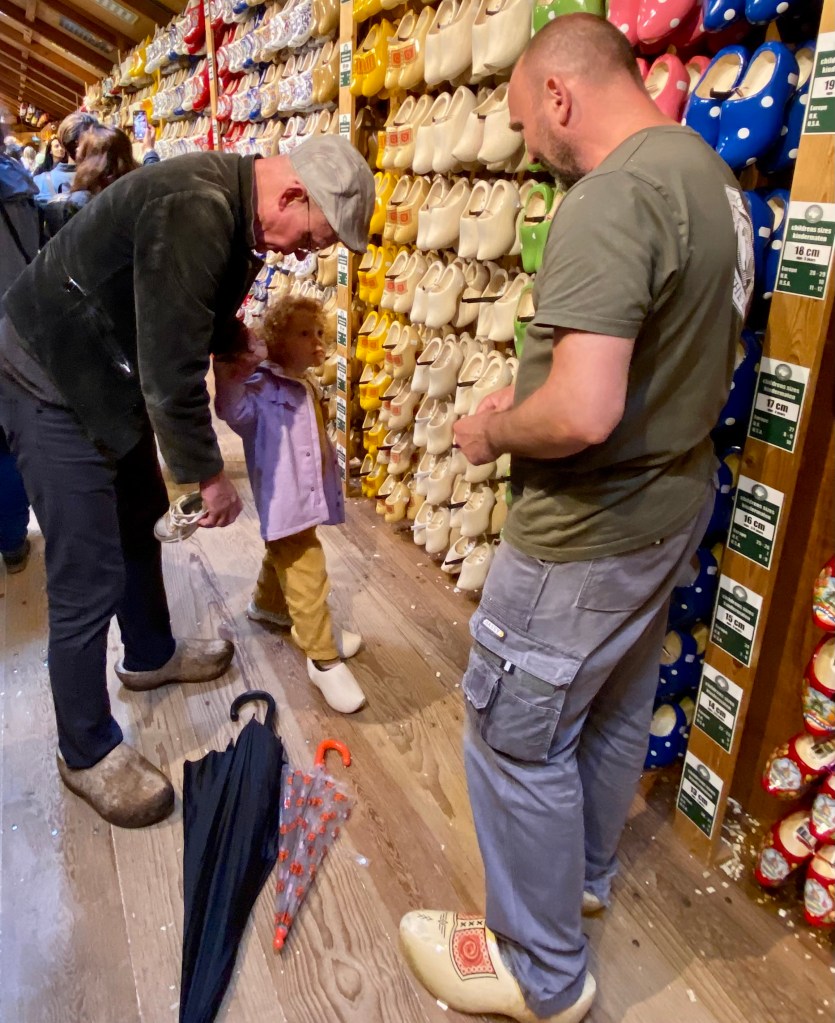
Time to bid adieu to Volendam and head to our last stop, Zaanse Schans to check out the windmills. But first a stop to see how wooden shoes are made. Back in the day, it would take 3 or 4 days to carve a pair but with the new machines the process is more like five minutes. The machines work in much the same way as having a copy of your house key cut with a mold for the outside and another for the inside. Very slick to see a piece of fresh cut poplar turned into a shoe in the time it takes to drink a coffee. It’s not all done by machine though as the heels and toes are still shaped using a large knife. After the shoe has been carved, they are dried for 3-4 weeks and then sanded for a nice smooth finish. They had some beauties there but there no room in my luggage for wooden shoes so I am saved!!
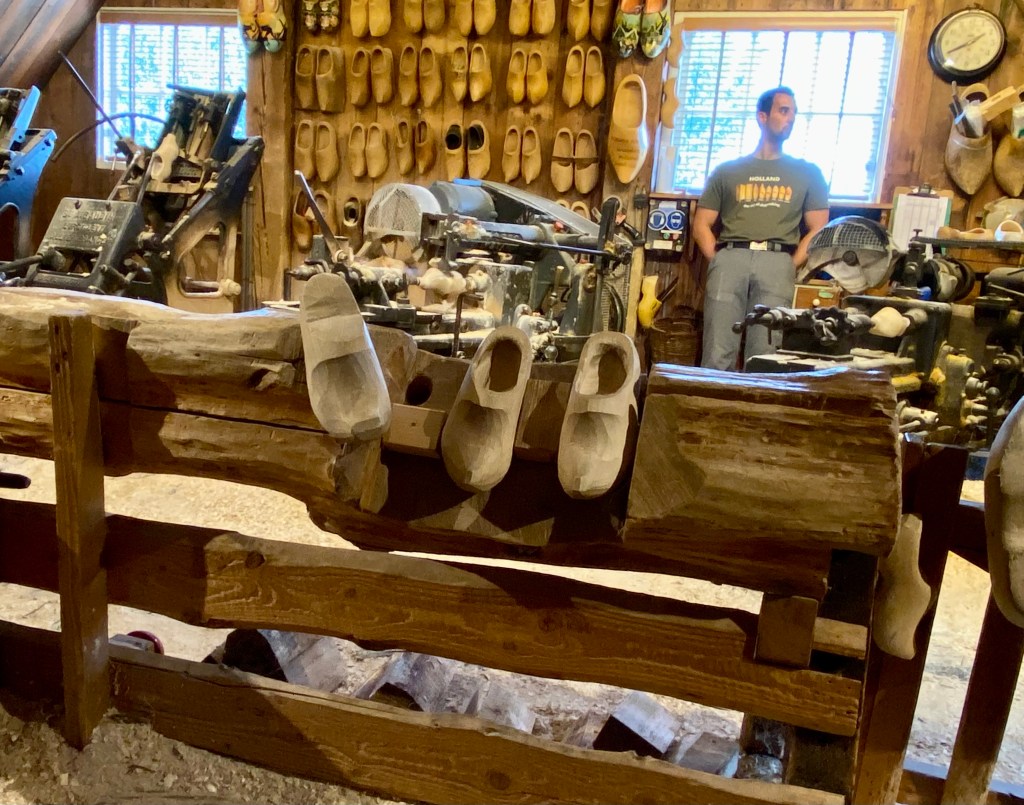
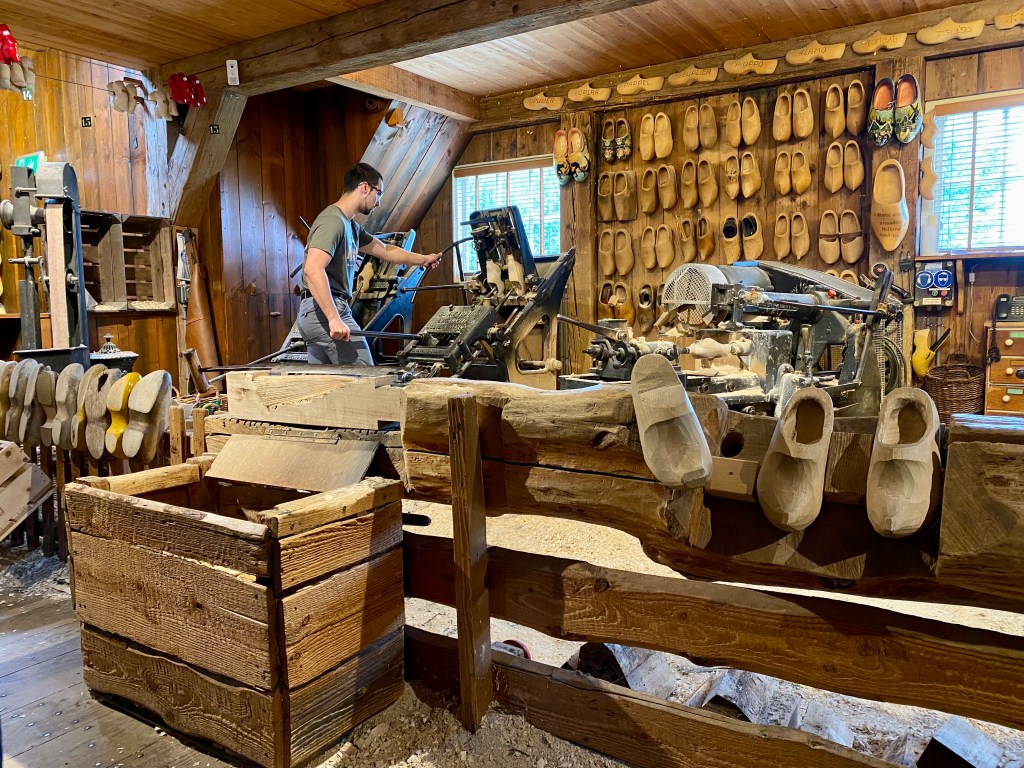
Making wooden shoes – Hardly working!
Making wooden shoes – Still hardly working!
Finally a bit of work – Heels and toes
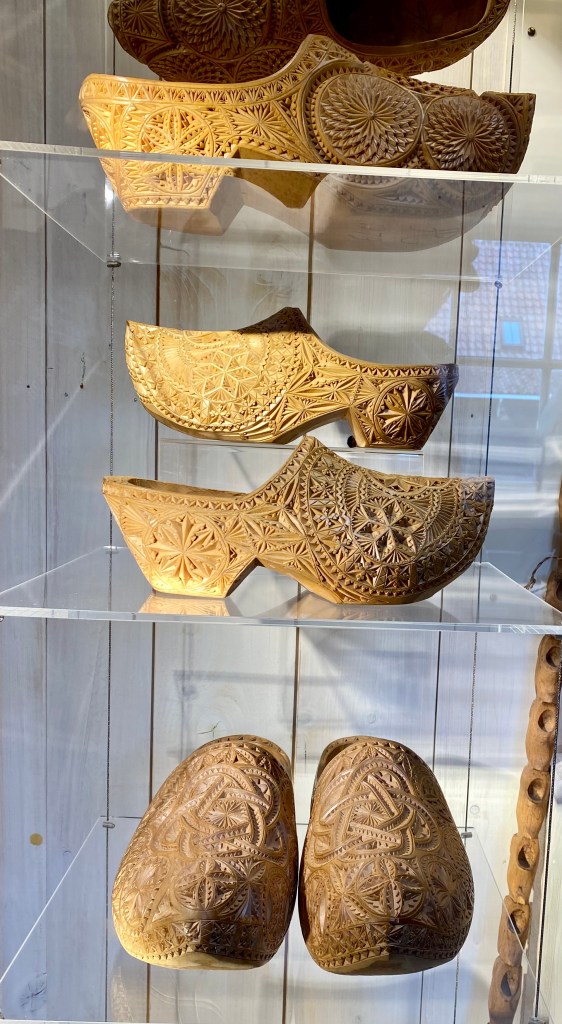
Wedding clogs – handmade by the groom for his bride
KaaBling!
Don’t want to walk a mile in these shoes!
Shopping with grampa

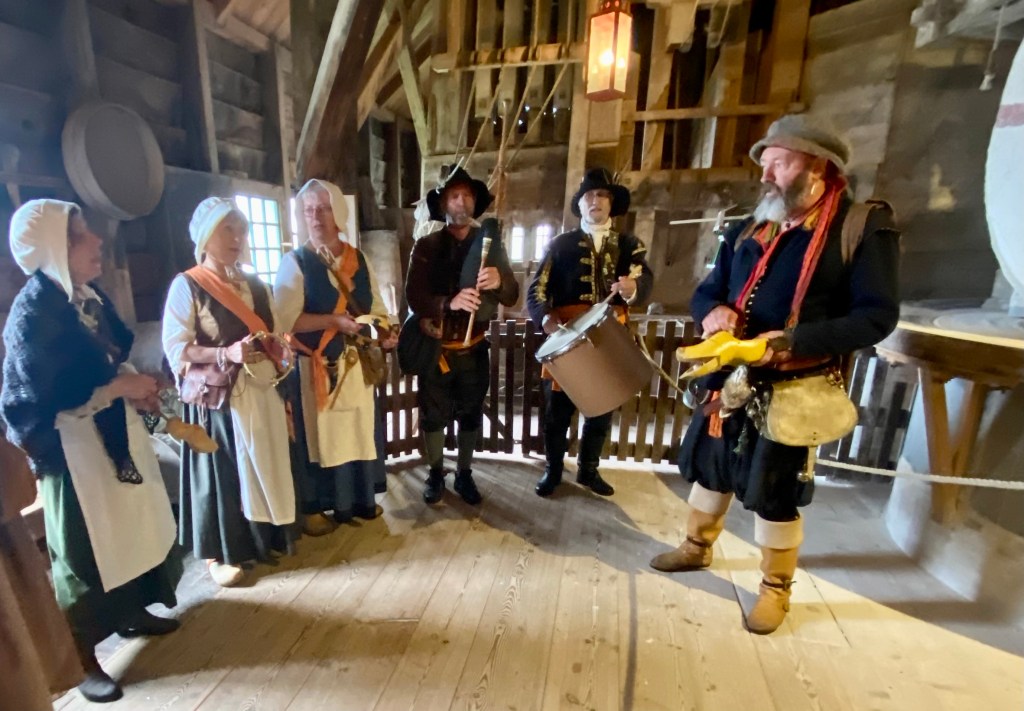
Next stop is the windmill. The one we are visiting is called Cat and is used to bring chalk and minerals to make paint. While we were touring a group of musicians came to sing a milling song. I was fascinated with the instrument that was a wooden shoe with a flap that made a clapping sound. Thankfully they didn’t appear to be selling those or it’s have to figure out what to throw away, lol!

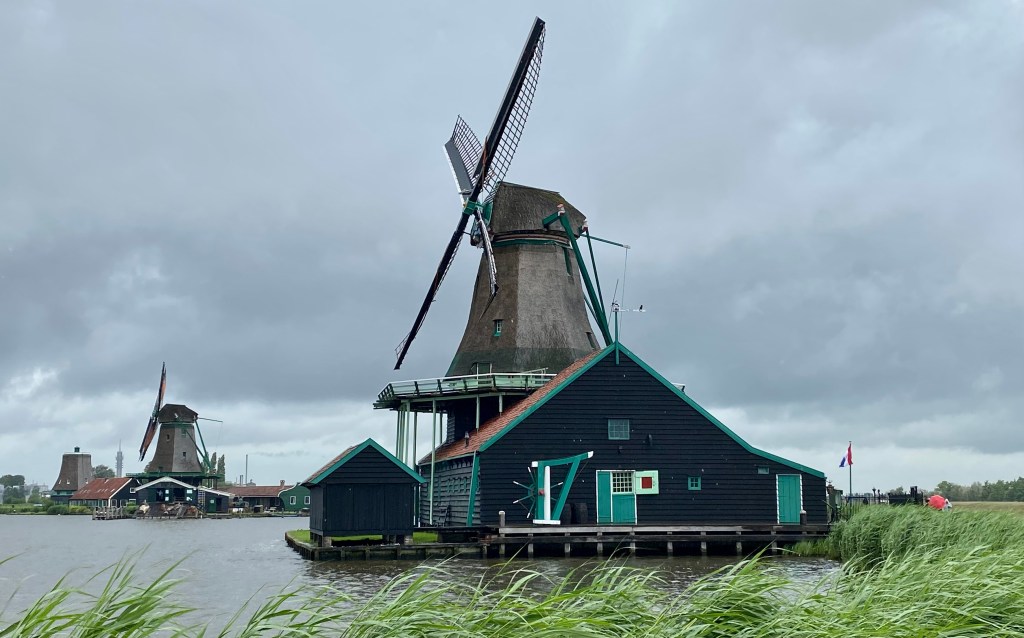
Windmills
Cat
Singing the milling song

In addition to the normal tour, today was the anniversary of a battle where the Spaniards where defeated on this spot so there were artisans in tents dressed in traditional costumes demonstrating their crafts. Sadly the driving rain made that no so interesting. Back to the bus where we were all treated to a stroopwafel (a thin, round waffle cookie made from two layers of sweet baked dough held together by caramel filling) before heading back to Amsterdam. 

A Smithy

Enough touring for one day. Tomorrow I’m off to Den Hague and more adventures. 
Wandering Through Northern Europe – Exploring Amsterdam

June 3-4 – My Next Adventure

My next adventure includes planes, trains, ships and boats in The Netherlands, the Baltic States and parts of Scandinavia. Given the various activities and expected weather, I have identified a substantial amount of stuff that I will NEED. 

I’m not going to lie: I always pack more stuff than I need to for a trip. ALWAYS!! I’ve tried various tricks including list making, reducing what I think I need (not by 1/2 but reducing!) but sadly, habitual over-packing is one bad habit that continues to haunt me despite being a frequent traveller.  

I know that overpacking is not fun when you’re schlepping luggage but I’ve “discovered” that many airports in Europe have a place to leave your luggage and allow nimble travel for periods of time so that’s my plan! Surely I won’t need evening wear and winter togs when I’m touring the towns, cities and villages of the Netherlands. 

Overpacked and ready to go, Karen gave me a lift to the airport in plenty of time for my flight. I’m using points and have treated myself to business class airfare as a result so it’s off to the lounge. That’s the last part of the trip that went according to plan. Flight delays in Ottawa and Toronto were a bit expected but waiting three hours for the luggage to hit the belt in Amsterdam was a bit of a shock. Good news is that both me and my luggage arrived in one piece. After the short shuttle ride to the hotel, I finally arrived at my hotel at 4 pm. I opted for a shower and sleep so I’d be somewhat rested when my adventure was in full gear. 

Heading out tomorrow to explore Amsterdam …

June 5

I managed to get a chipkaart for the public transit system in the Netherlands and made it from Schipol to the Centraal Station without incident (not a given because I’m quite spacially challenged!!). My main activity today is a free walking tour which starts at the Stock Exchange. 

I’m never confident in my ability to navigate so I arrive early and have an opportunity to sit and watch the world go by. The smell of marijuana does not seem as pervasive here as in Ottawa (lol!) but there are folks partaking of the green early this morning on my bench in the park. 

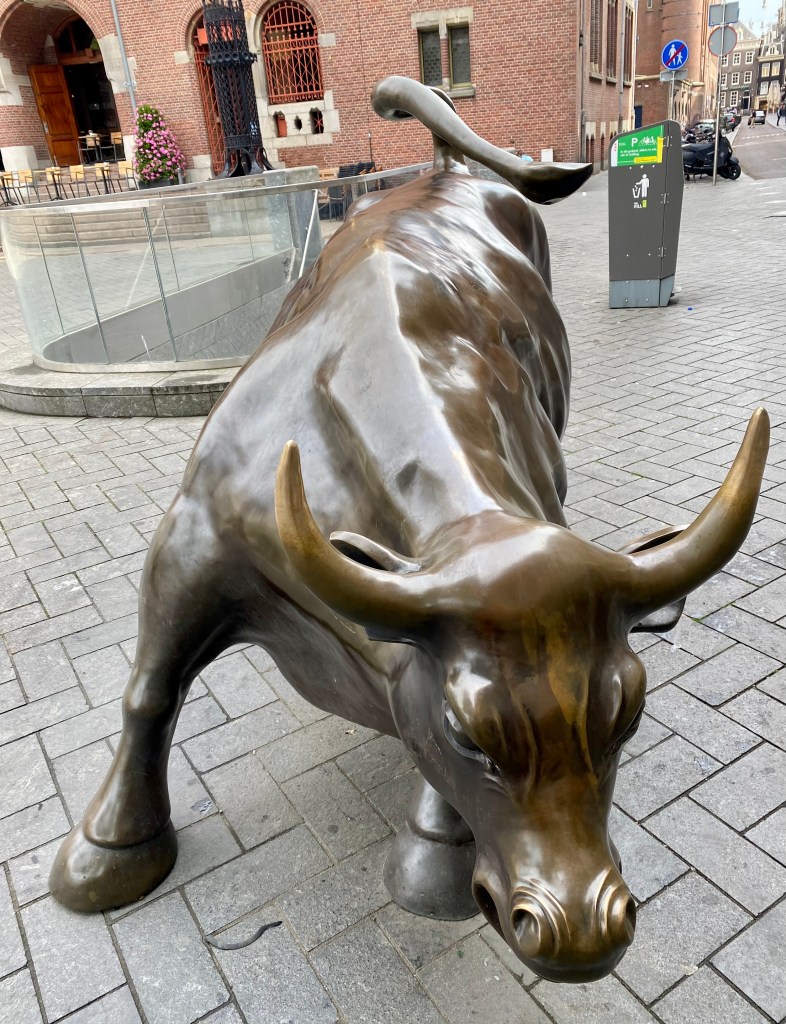
Stock Exchange Square is home to a large metal bull with no bears in sight. Hopefully the markets will reflect this optimism going forward! There’s also a very cool coffee shop that boasts a barber shop that I’m sure Ken would be checking out if he was with me for this leg of my journey. 

Bring back the bull market!
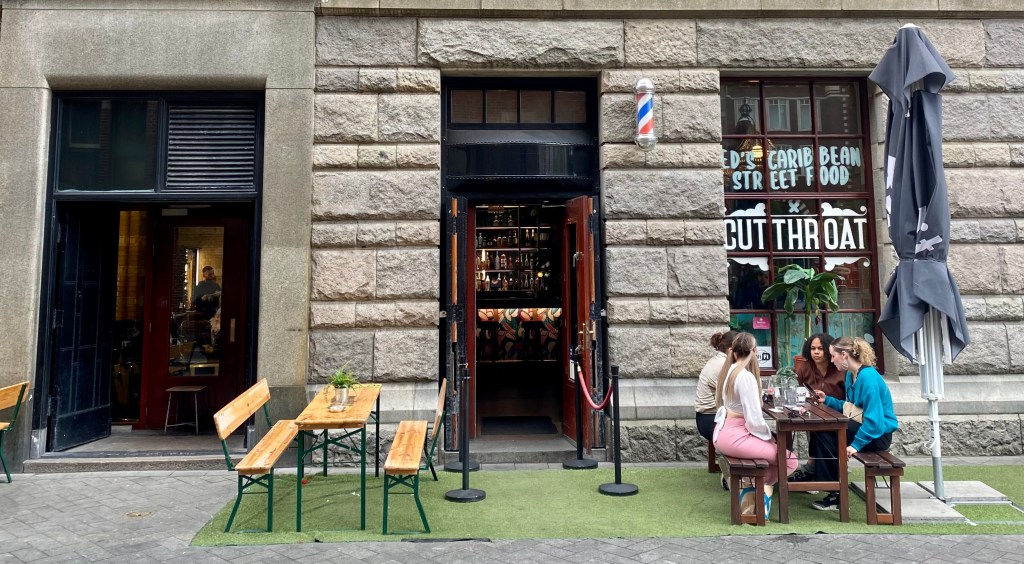
Coffee and a haircut

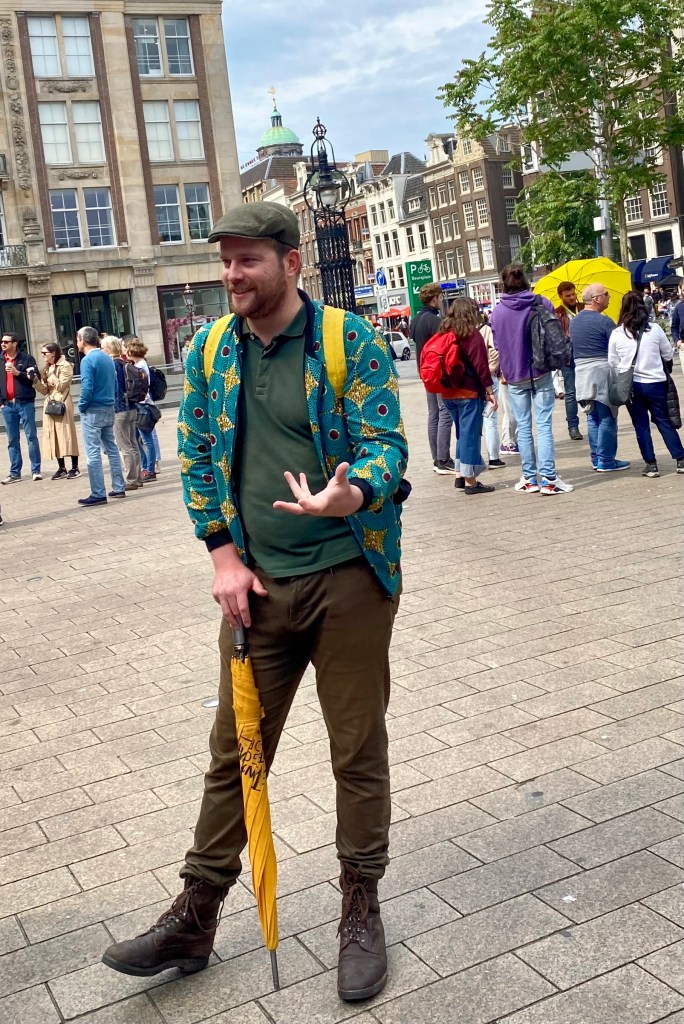
Soon enough a trio of guys with large yellow umbrellas arrive on the scene. Sebastian is going to be my guide. He’s a native and seems like he’ll tell a good tale if his wardrobe choices are any indication. I’ve taken these tours in most cities I visit and they typically provide a bit of history and some insights on the local people and their culture so a good way to start my exploration of the Netherlands. 

Our Freedam Guide – Sebastien

As we set off, the group was advised “If you hear a bell run like hell!!” to avoid the “killer” bikes. Amsterdam is a city of bikes and cyclists (as are most other cities and towns in the Netherlands) and it’s important to stay out of their way so you don’t get run over and/or cursed at!

Back in the day, being a sailor was a very risky occupation and despite being a very Catholic town, prostitution was tolerated. At a minimum, it kept the randy sailors out of the middle of town and away from the local virgins (at least that’s Sebastian’s take). 

It’s interesting that the red light district pretty much surrounds the site of the former Catholic Church. Apparently the church did quite a bit of business with the sailors who wanted to be blessed before heading back to sea. Sailors confessed, paid a bit of money to make sure their sins were forgiven and then received written confirmation. Eventually, there was even an option to pay for forgiveness before  sinning – the original sin tax?

Canal Houses

The Catholic Church fell out of favour when the Spanish decided the Dutch were being too tolerant of other religions and declared war. The Spanish were defeated by the Dutch army lead by William of Orange in a war that lasted 80 years which was bad news for Catholics. For a time, Catholicism was banned but then Catholics were allowed to practice in secret provided they paid a fine/extra taxes. One secret congregation met in Our Dear Lord in The Attic Church which could accommodate upwards of 200 people. Hoping to visit next weekend!

About the time the war ended, the Spanish Inquisition was in full swing so Jewish immigrants and other at risk groups emigrated to the Netherlands. One of the cornerstones of the Dutch culture is tolerance. This is illustrated by their religious freedoms, acceptance of prostitution and also their coffee house culture. 

Marijuana is and always has been illegal in the Netherlands. Officially you’re also not allowed to drink in public but that too tolerated as long as you’re not an ass when your indulging. 

In the 1960s Amsterdam became the hippy Mecca. At the same time, Chinatown was growing. Heroin and opium addiction were becoming a problem and the Dutch decided to allow marijuana to be sold in coffee houses to stop heroin sales and help reduce the number of people addicted to hard drugs. 

It seems to have worked. The Netherlands are #8 for marijuana use in Europe while Italy is # 1. Sebastian speculated that the difference is that parents in the Netherlands talk to their kids about drugs and offer to share the first experience with them. I don’t think many teenagers would be excited after indulging in their first taste of ganja with their Mom. 

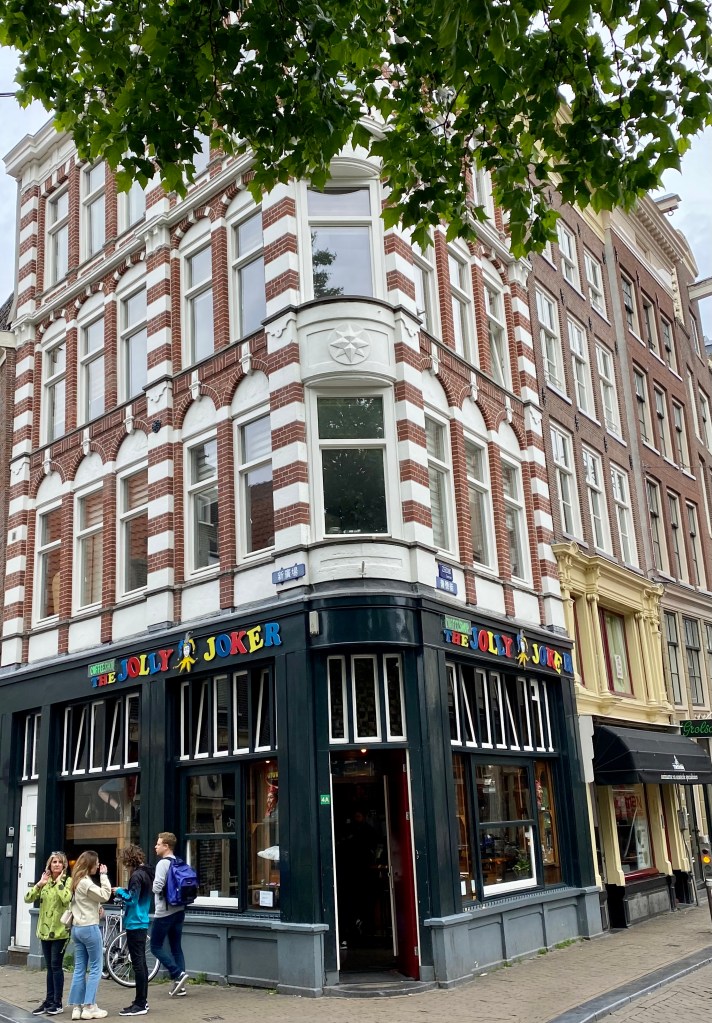
The Jolly Joker Cafe
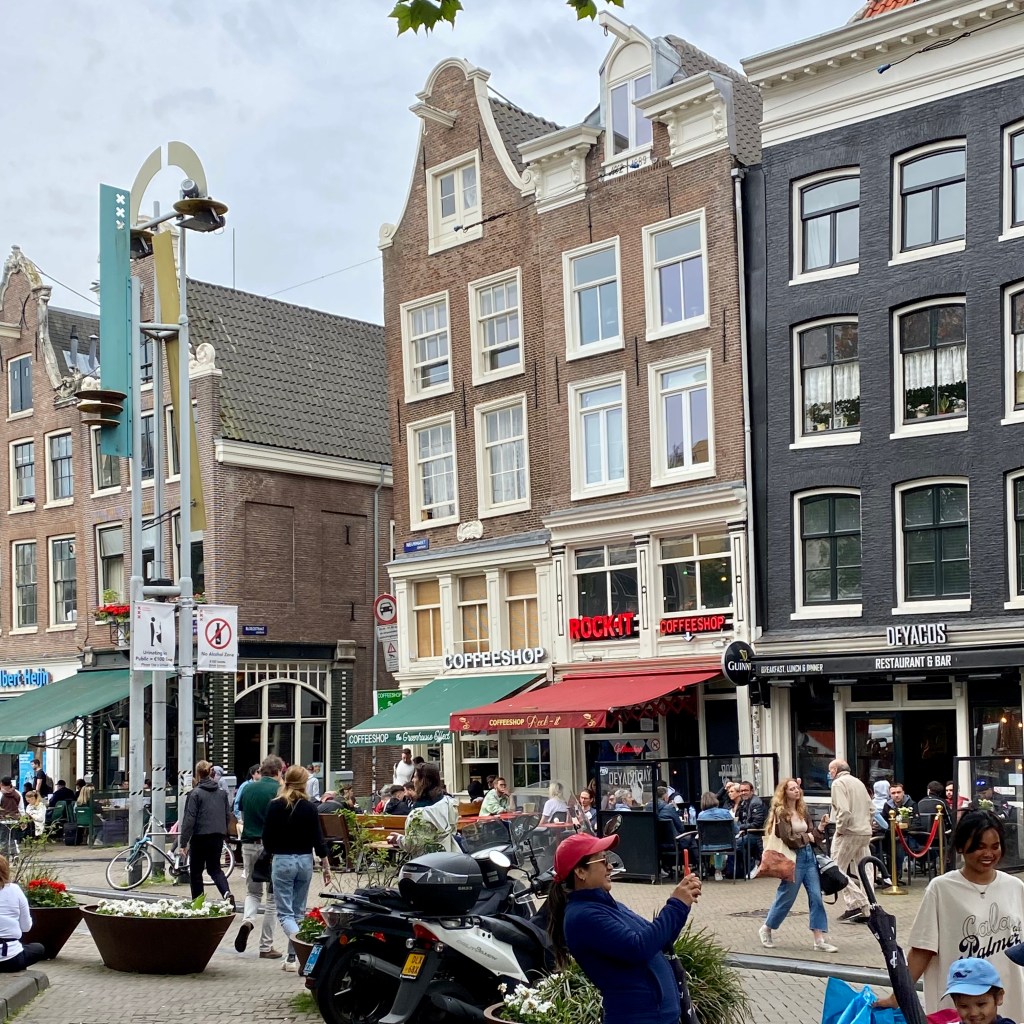
More Cafes – Note the no drinking and peeing signs
Some restrictions in the Red Light District

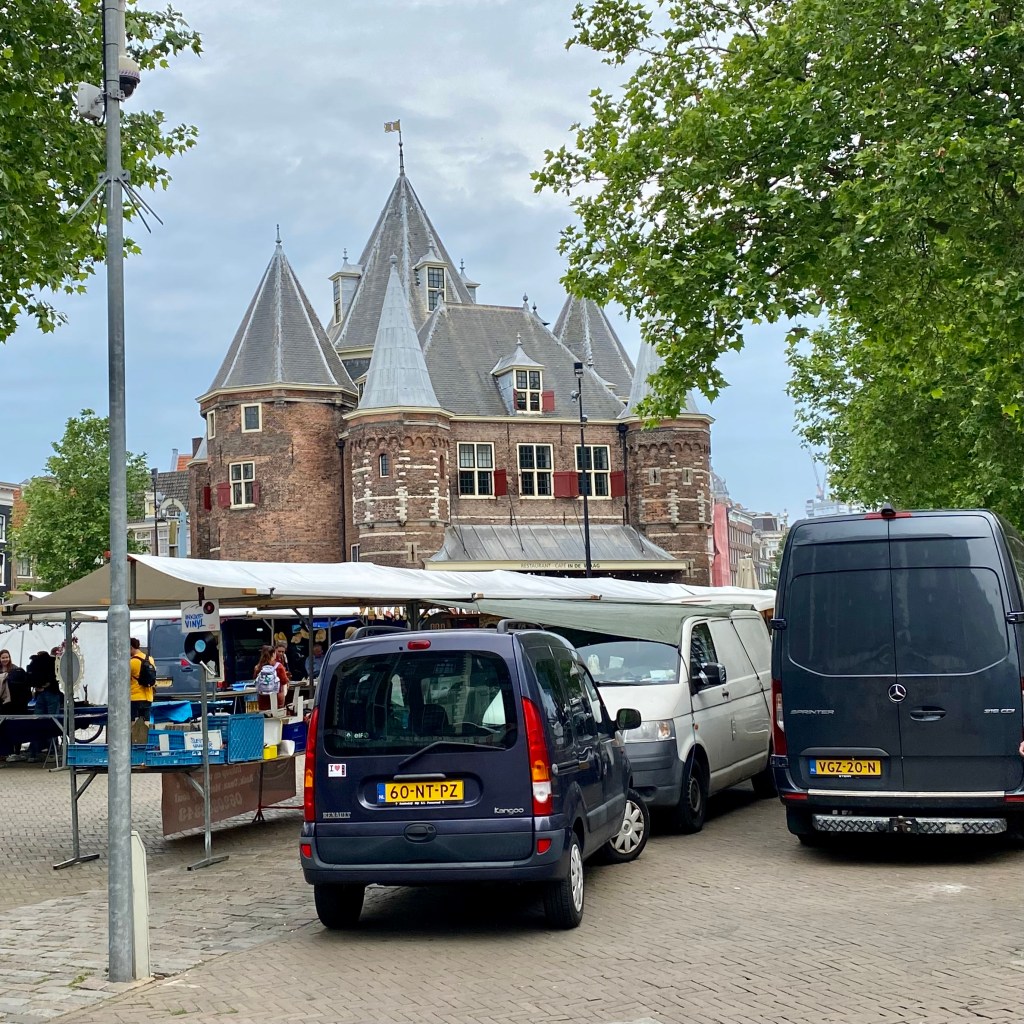
Anatomy demonstrations were held in Amsterdam from 1555 onwards. They were organised by the surgeons’ guild and in Rembrandt’s day they were held in an anatomy theatre in De Waag, Amsterdam’s weighing house. The praelector or overseer of the guild would lecture, while the public – anatomy students and laypeople alike – could watch for a fee. 16th century Netflix meets Grey’s Anatomy!

Rembrandt was only twenty-five and relatively new to town when he was asked to paint the portraits of the Amsterdam surgeons. The painting that was commissioned for an anatomy lesson given by Dr Nicolaes Tulp in January 1632 is on display at the Mauritshuis in Den Haag so I’ll have a chance to see it next week.

In this group portrait, the young painter displayed his legendary technique and his great talent for painting lifelike portraits. This prestigious commission provided a unique opportunity to become known among art-lovers’ circles in Amsterdam, and the painter did not allow this chance to pass. Rembrandt’s skills as a portraitist meant that soon enough many rich folks were after him to paint their selfies as well!

De Waag

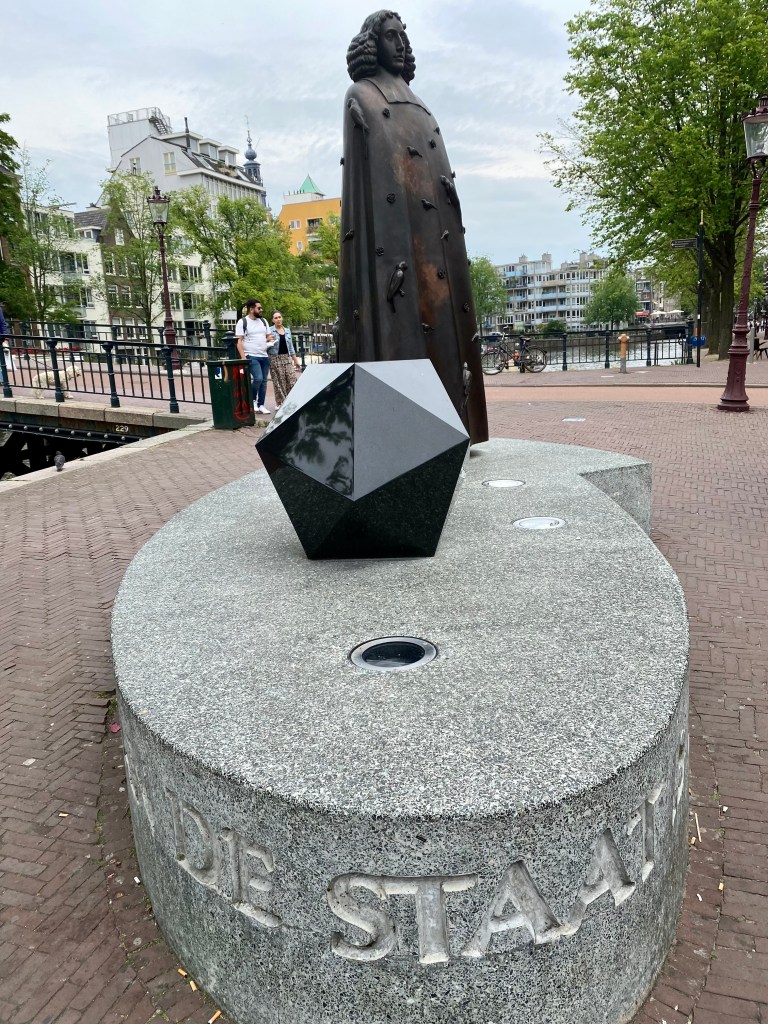
Situated on the Zwanen­burgwal is a statue of Baruch Spinoza (1632-1677), a Dutch philosopher of Portuguese Sephardic origin. He was one of the early thinkers of the Enlighten­ment. Considered one of the great rationalists of 17th-century philosophy and a leading philosopher of the Dutch Golden Age, he promoted complete freedom of thought, religion and speech, which was frowned upon by many of his contemporaries.

Baruch Spinoza

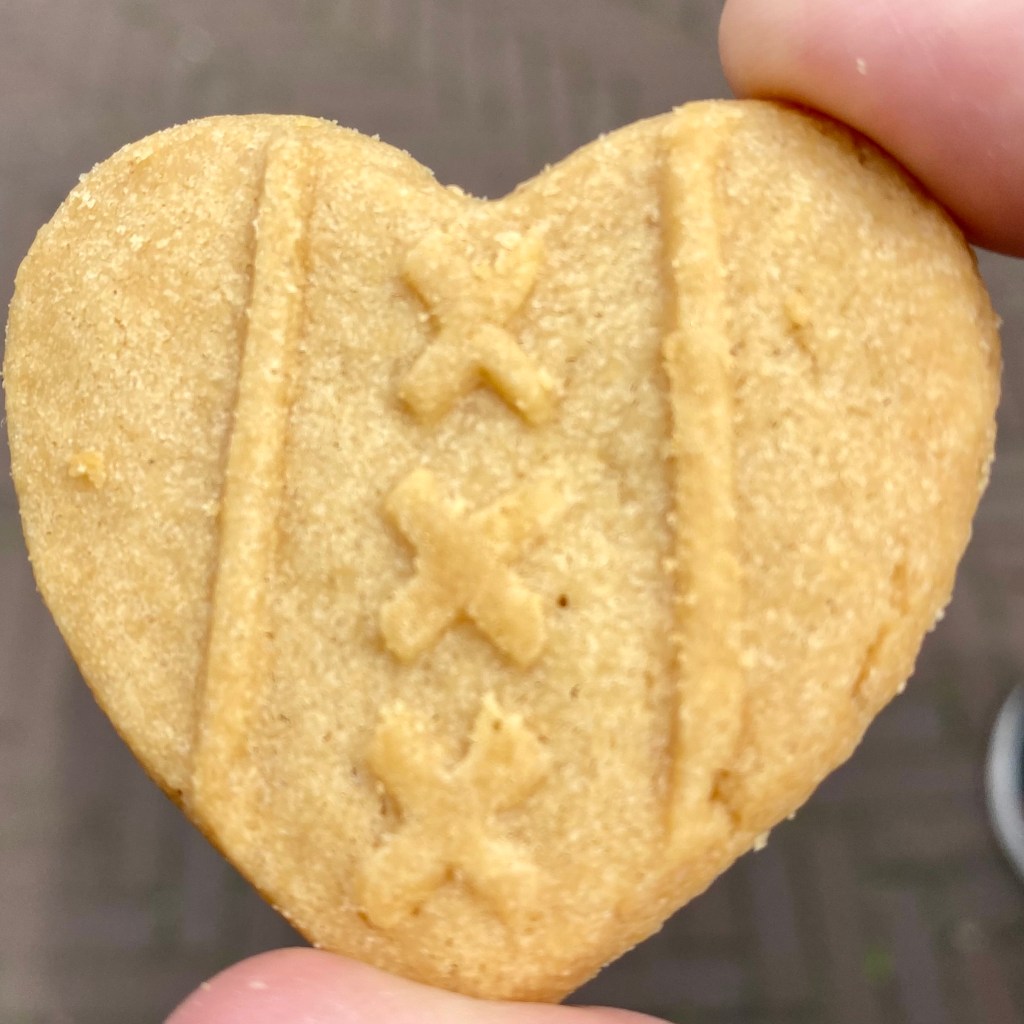
In 2018, Amsterdam became the proud owner of a new cookie with a mission; the Eberhardje. Named after the late mayor, Eberhard van der Laan, this cookie is meant to connect our wonderful city with its citizens. Eberhardjes are heart shaped buttercookies featuring the coat of arms of Amsterdam, three Saint Andrew’s crosses, going right down the middle of the cookie. A true representation of the city of Amsterdam with a portion of the proceeds donated to local charities. Yummy cookies for a good cause and Sebastian had one for each of us!

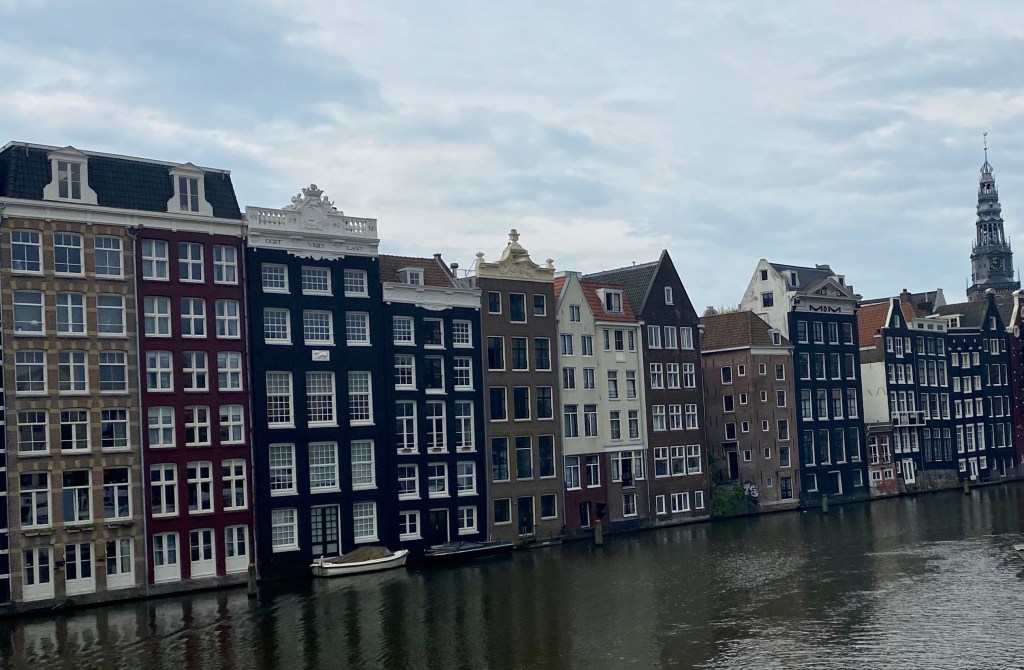
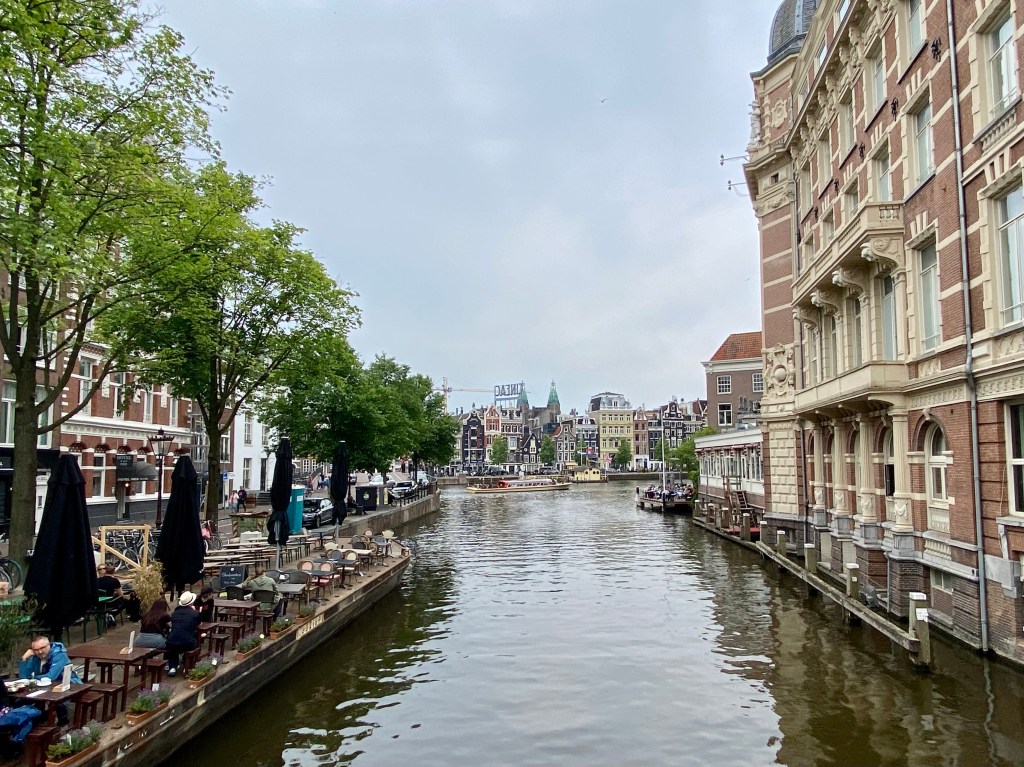
Most cities have beautiful monuments. In Amsterdam, the classical canal houses fills that bill. These Amsterdam canal houses have strangely narrow facades in an attempt to foil the taxman. Architects found a solution to the issue of taxation and simply made narrow but deep houses. 

The extremely narrow house results in an unfortunate architectural phenomenon: the narrow staircase. One difficulty that many people have with narrow and steep staircases is when they are trying to move furniture in or out of the building. Hence the hoisting hook on the front of these buildings. If furniture or goods can’t fit up the stairs, they can be hoisted up from the outside of the building and brought in through the windows. This is why the canal houses have a characteristic forward tilt to them. Buildings were intentionally built tilting forward to avoid structural damage during the process of lifting heavy furniture.

Certain houses appear to be leaning on each other for balance…that’s not intentional. Historic Dutch houses in Amsterdam were built on wooden poles sunk deep into the sandy marsh below. Over time, due to changes in water levels and general ageing, some of these poles began to rot, leading to some of the houses tilting sideways.

Despite all these peculiarities it’s hard to imagine Amsterdam without these wonky (and beautiful) wonders.

Beautiful Canal Houses
Or maybe you’d prefer a houseboat
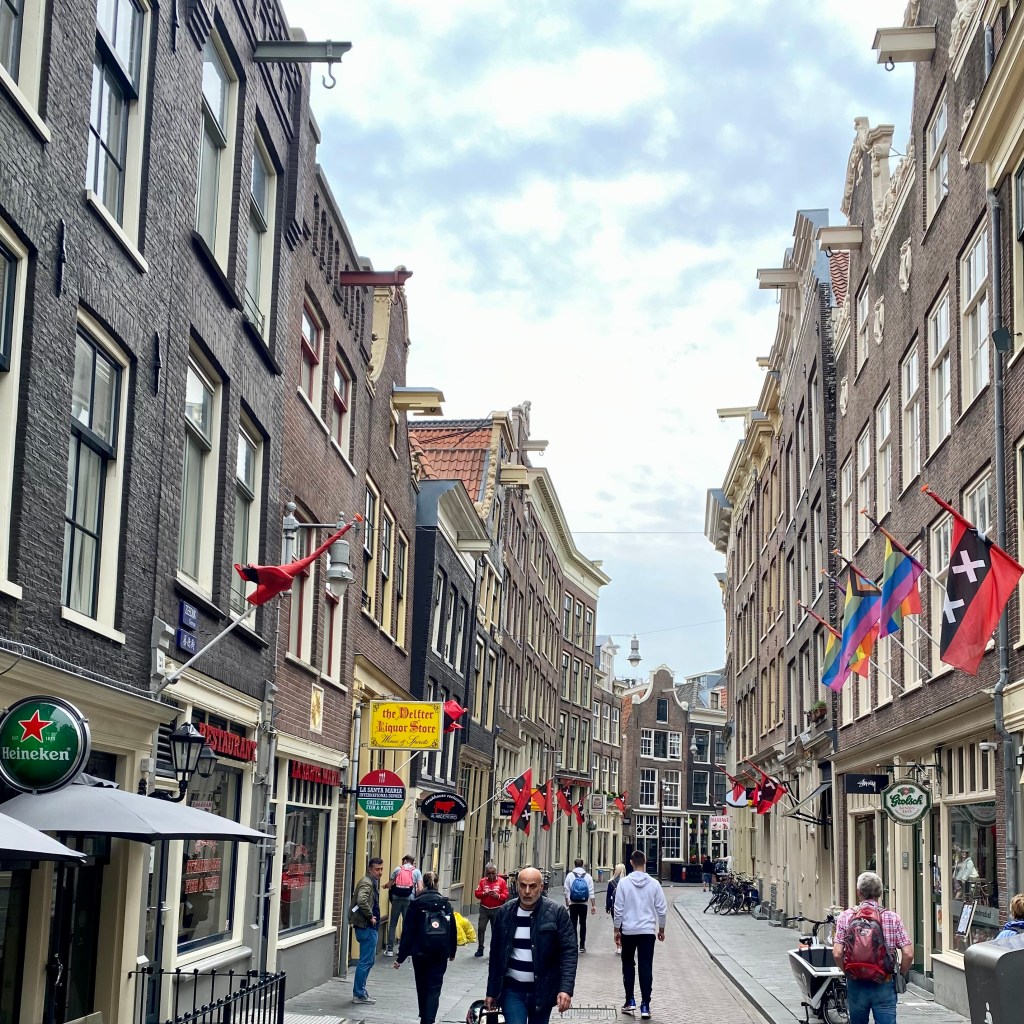
A typical street downtown

Our last stop on the tour was Dam Square across from the Royal Palace.  The Netherlands was originally a Republic but became a constitutional monarchy in 1806 when Napoleon appointed his younger brother Louis Bonaparte as vassal king over the Kingdom of Holland.

The Royal Palace is located on Dam Square aka the ‘Dam’. The 350 year old Palace started as the City Hall of Amsterdam. In 1808 King Louis Napoleon Bonaparte transformed Amsterdam’s largest building into a Palace. 

The Palace on Dam Square

His big addition to the building was to add a viewing platform. In his first speech to the Dutch people, he meant to say ‘Iek ben Koning van Olland’ (I am King of Holland) but his poor Dutch is legendary or maybe google translate let him down. Either way, he actually exclaimed ‘Iek ben Konijn van Olland’ (I am the Rabbit of Holland). Lol!

Despite getting off to a bad start, the king was devoted to the Dutch people and took his duties very seriously, for which he was dubbed ‘Louis the Good’. The king was sympathetic to Dutch culture and founded the Royal Netherlands Academy of Science, the Royal Library and the Rijksmuseum.

As it became increasingly obvious that the Napoleonic empire was collapsing, influential Dutchmen began to prepare for the creation of a new and independent regime and contacted the family of William of Orange to come home from England to proclaim his reign as hereditary prince and his descendants are still doing their thing today

The tour was finished but I did a bit more exploring until the rain and my jet lag sent me back to the hotel to rest and relax. Typical behaviour of the lazy tourist, lol! 

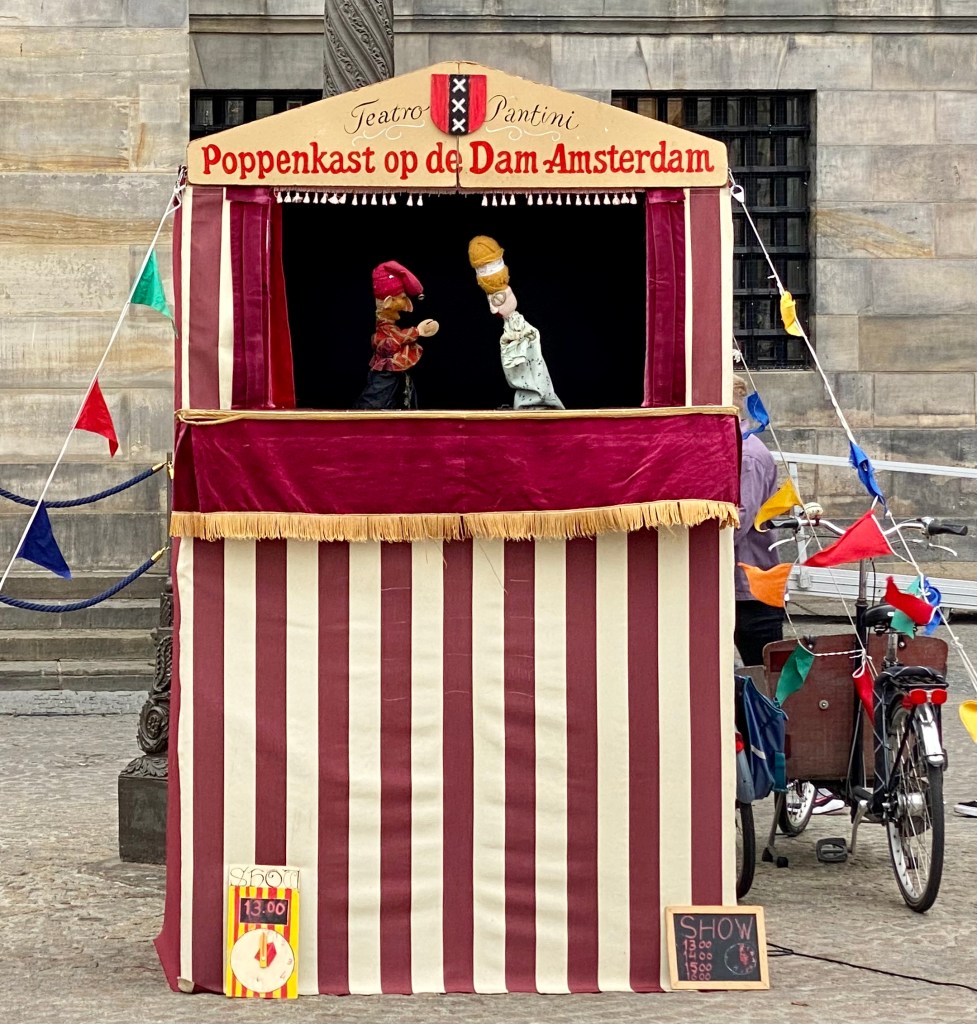
Puppet Show at the Palace
Wandering Jazz Minstrels – Part of Red Light Jazz Festival?
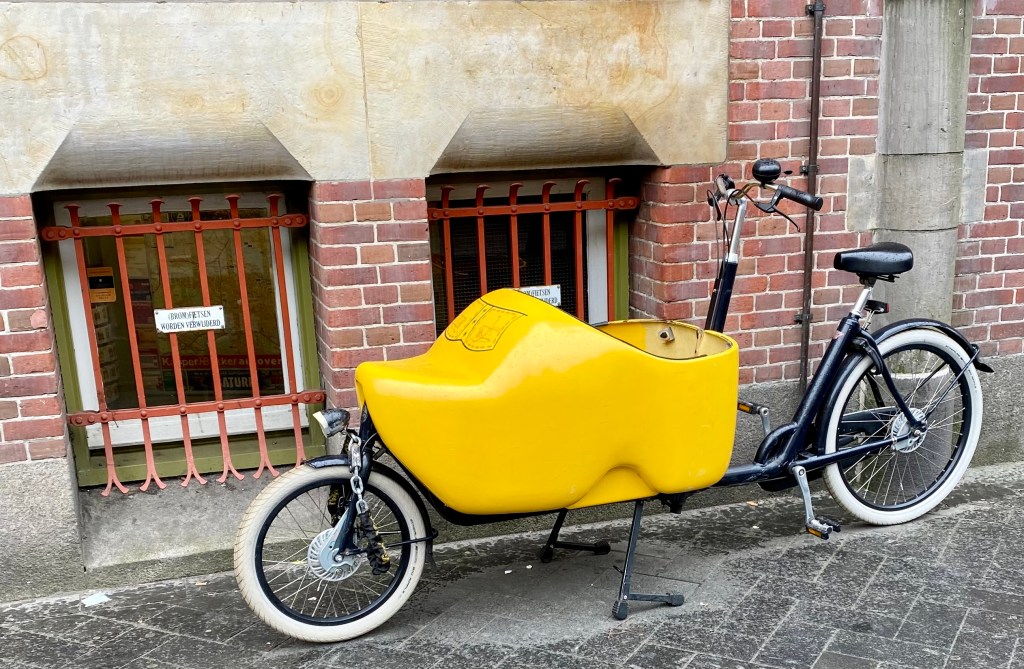
My new ride?

Tomorrow I have a big day and more adventures await!