
June 27
After a hearty breakfast at our hotel, we set off towards the Oslo Opera House to experience firsthand the stunning views from the top.
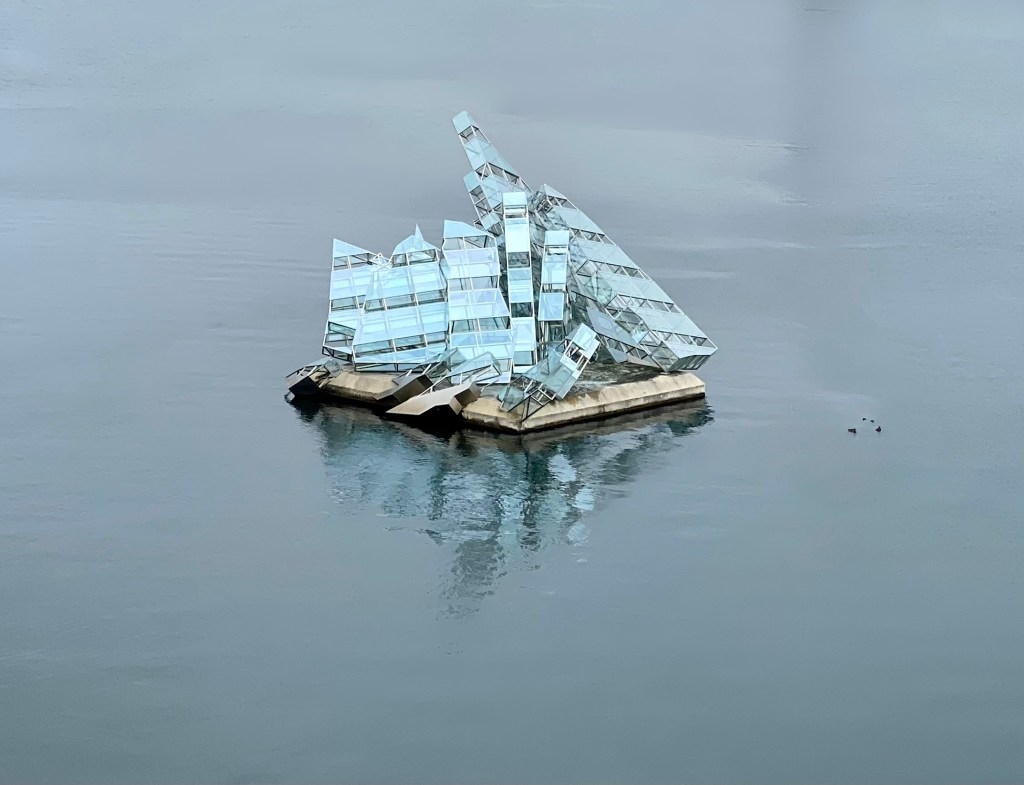
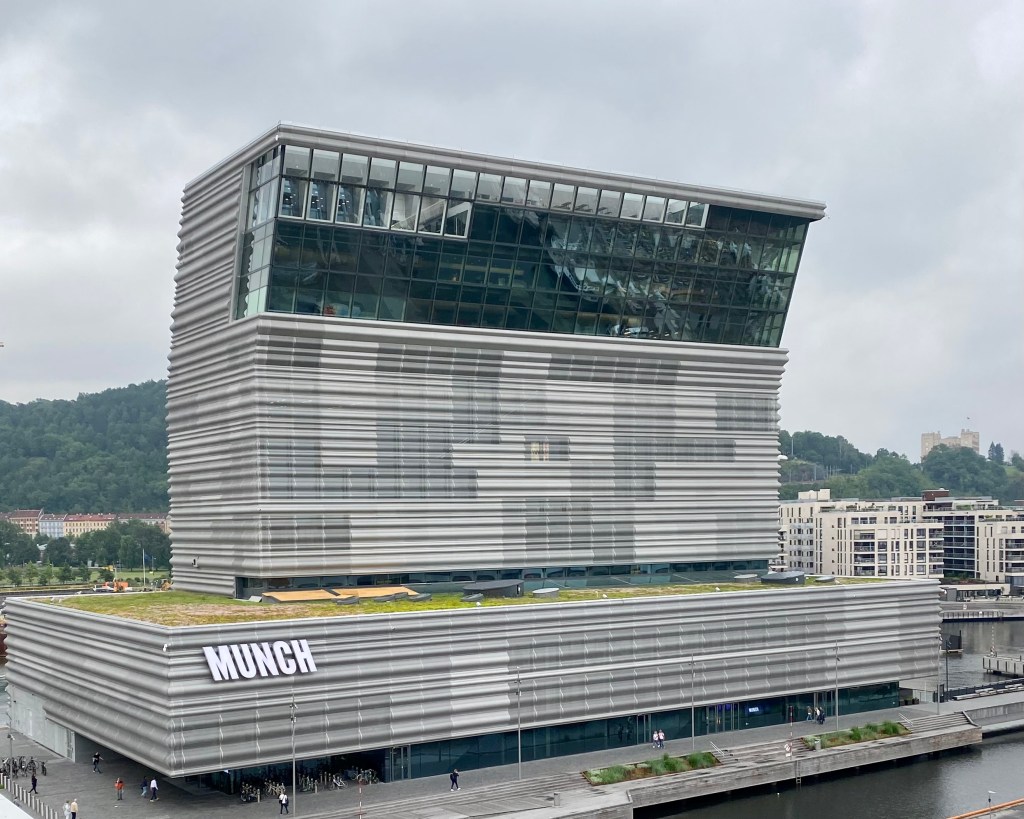
It looked like rain so we headed off to our next stop the new Munch Museum and arrived just as the skies opened; our luck is holding up.
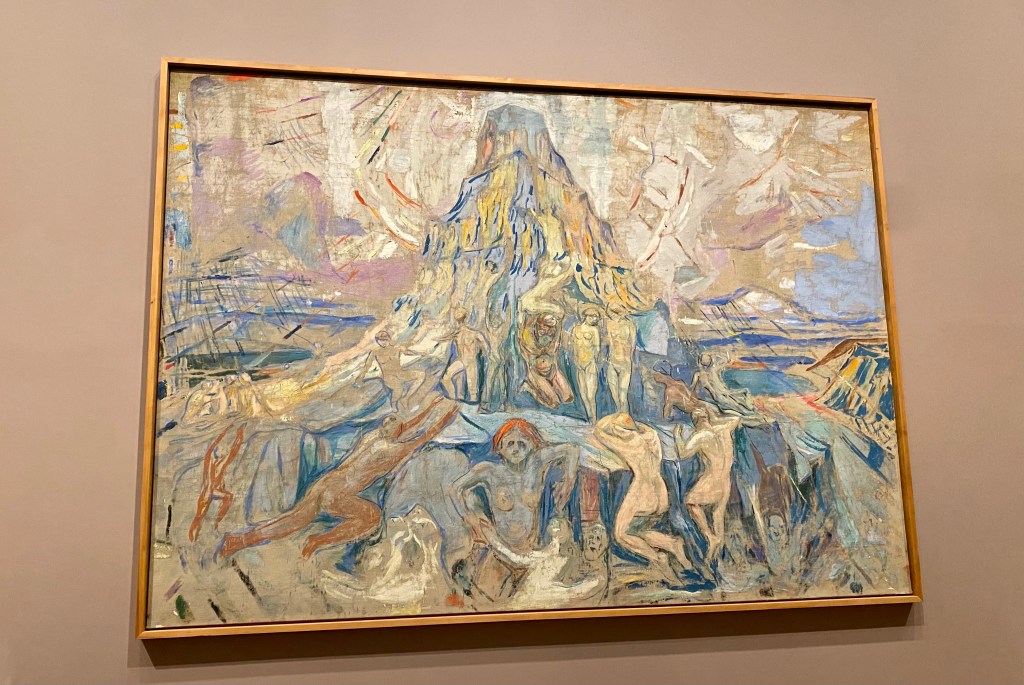
World-famous painter Edvard Munch willed all of his works still in his possession to the municipality of Oslo. With a total of 13 floors and 11 gallery spaces, the MUNCH offers a wide range of approaches to Edvard Munch and his art. The museum is one of the largest single-artist museum’s in the world and is home to 26,000 works by Edvard Munch, including 1183 paintings. I really didn’t know much about Munch other than The Scream and I was blown away by the beauty and emotion of his work.
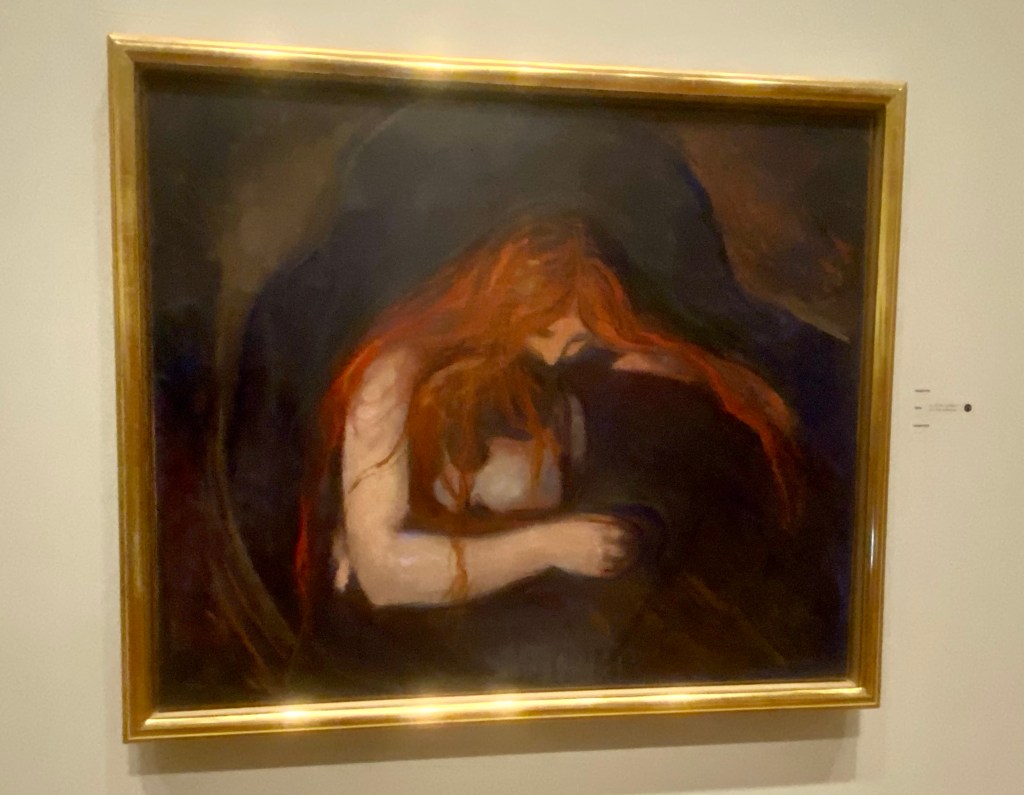

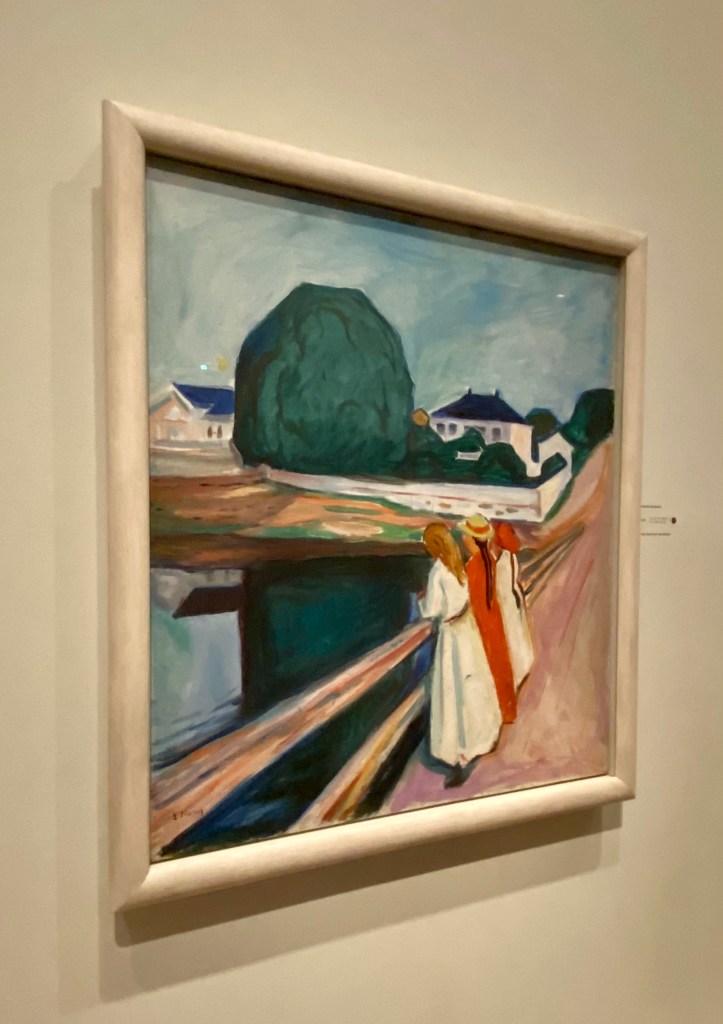
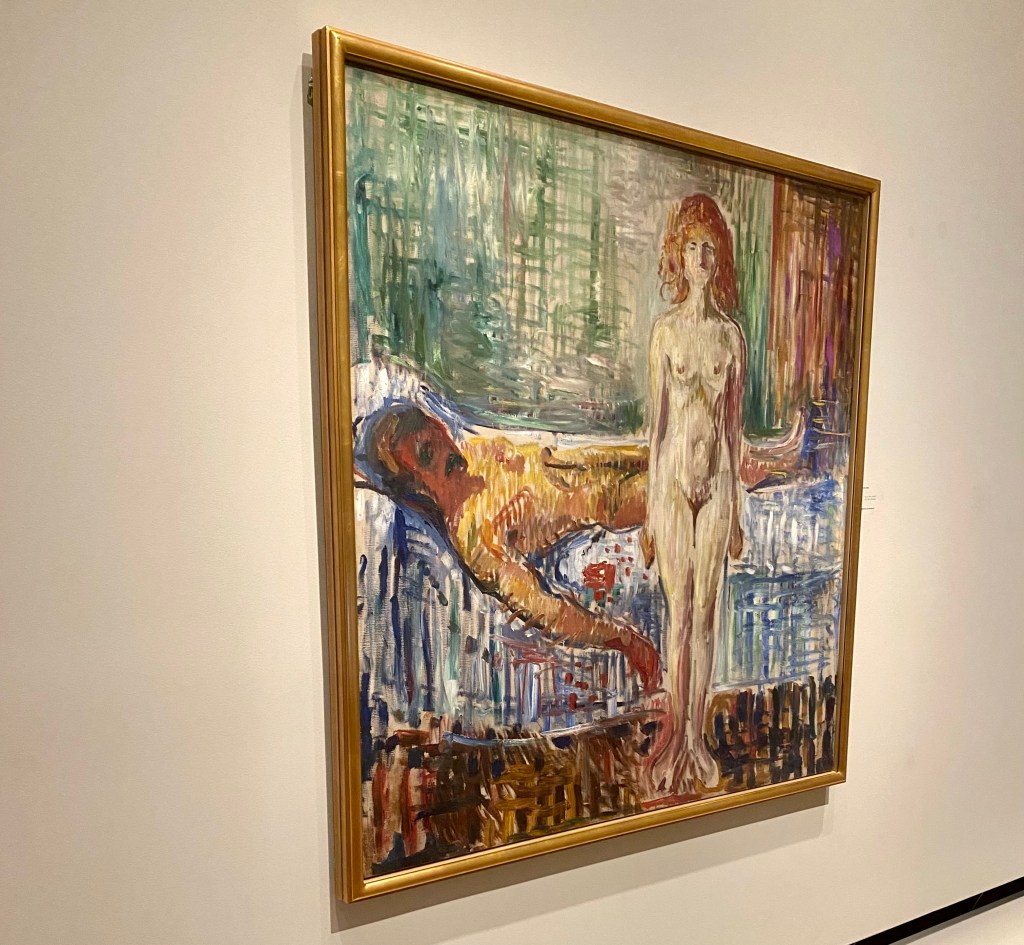
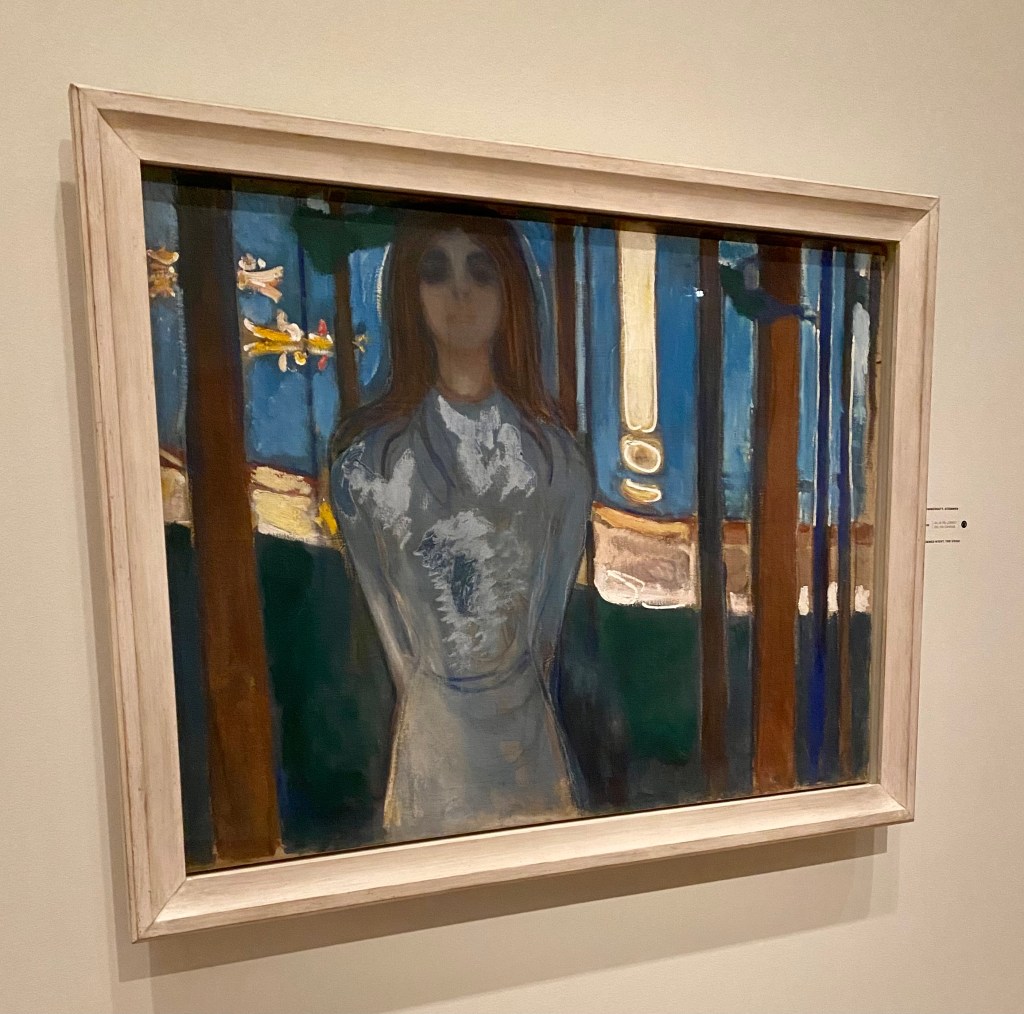
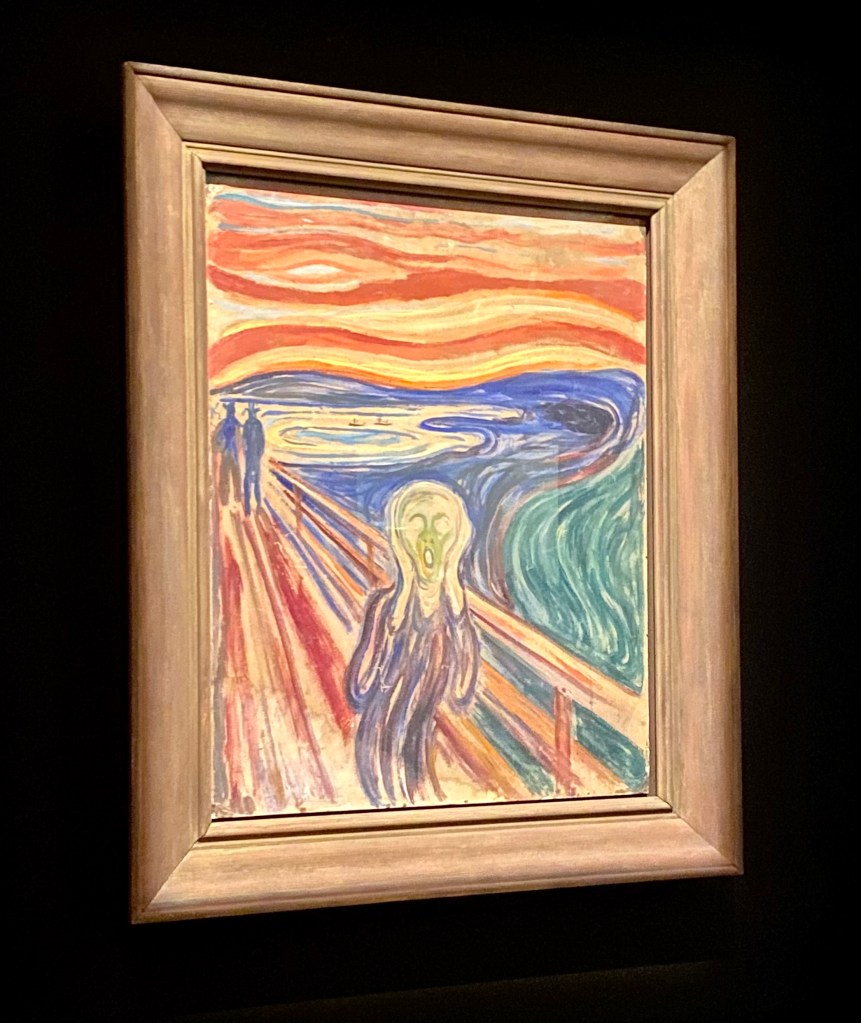
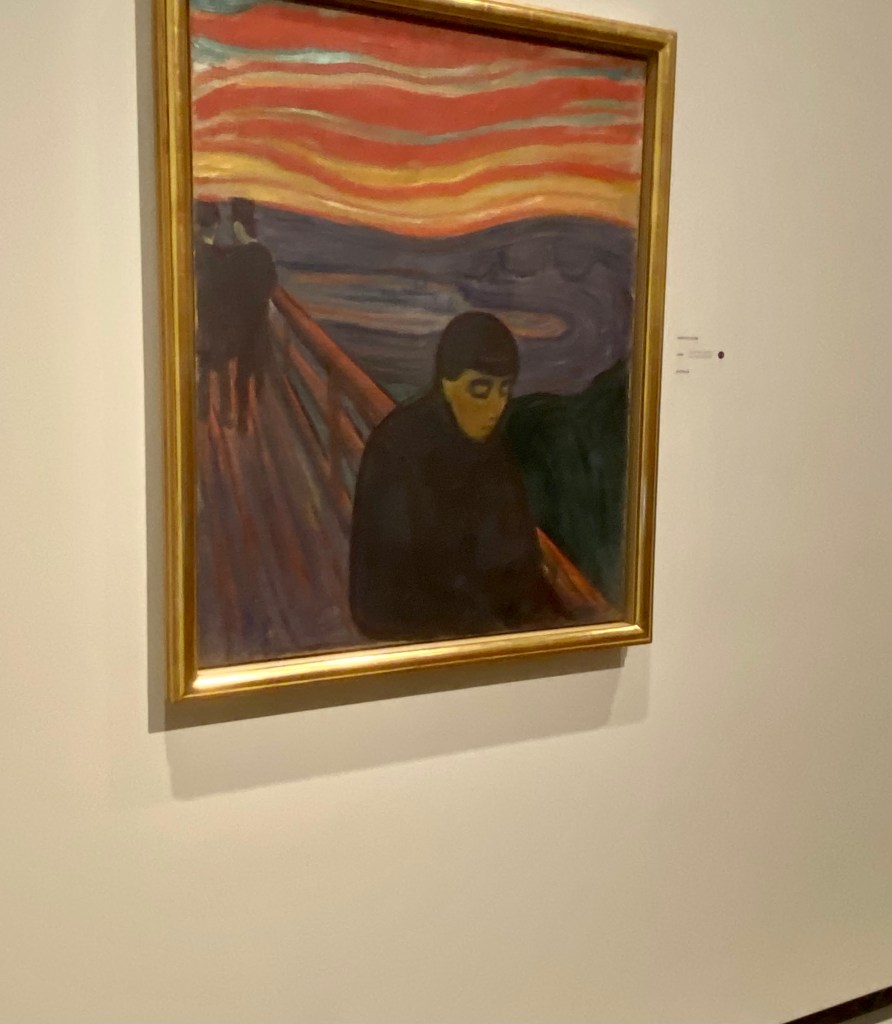
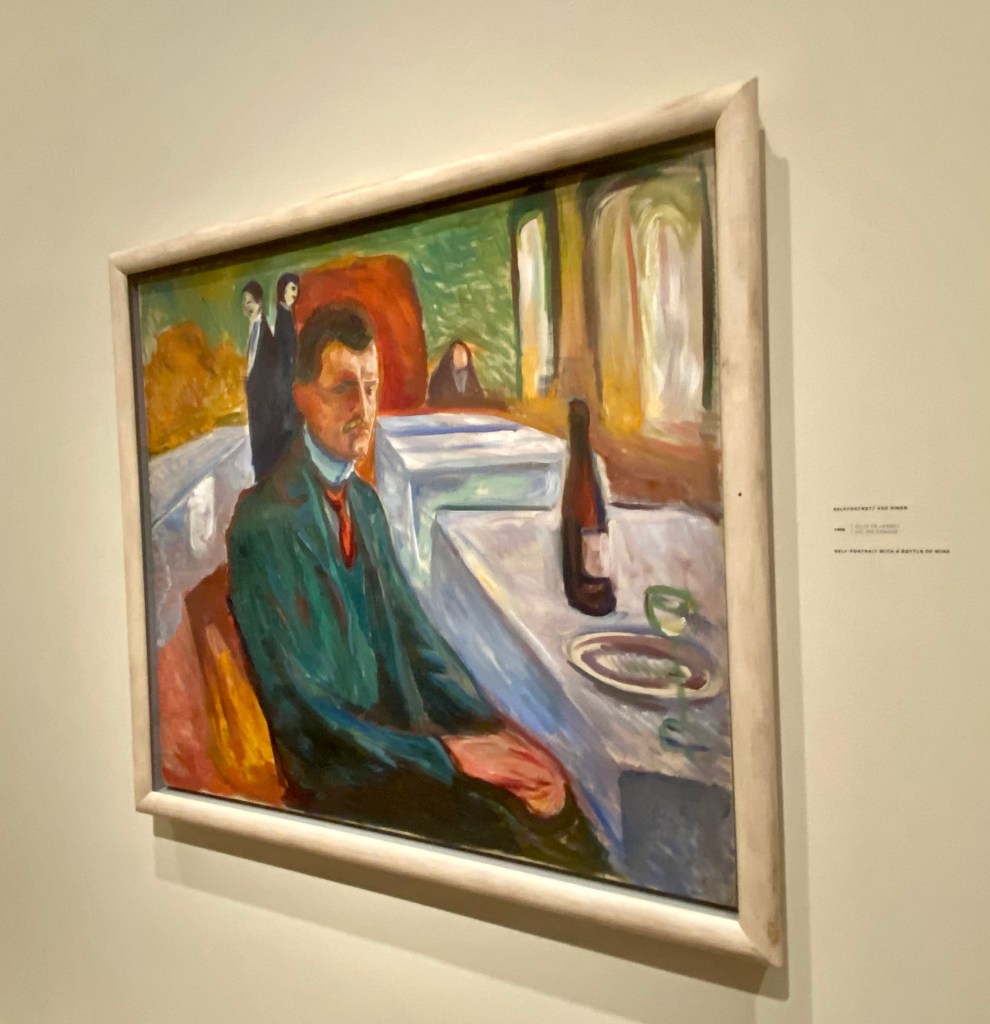
I especially enjoyed the Monumental exhibition which features versions of the paintings made by Munch for the University of Oslo’s Ceremonial Hall in connection with the university’s centenary in 1911. Munch and several other artists were invited to compete for the commission and Munch worked tirelessly for years, producing several hundred preparatory works and sketches. In order to work on this massive scale, he built a series of outdoor studios at his home where he created several versions of each motif in different sizes.


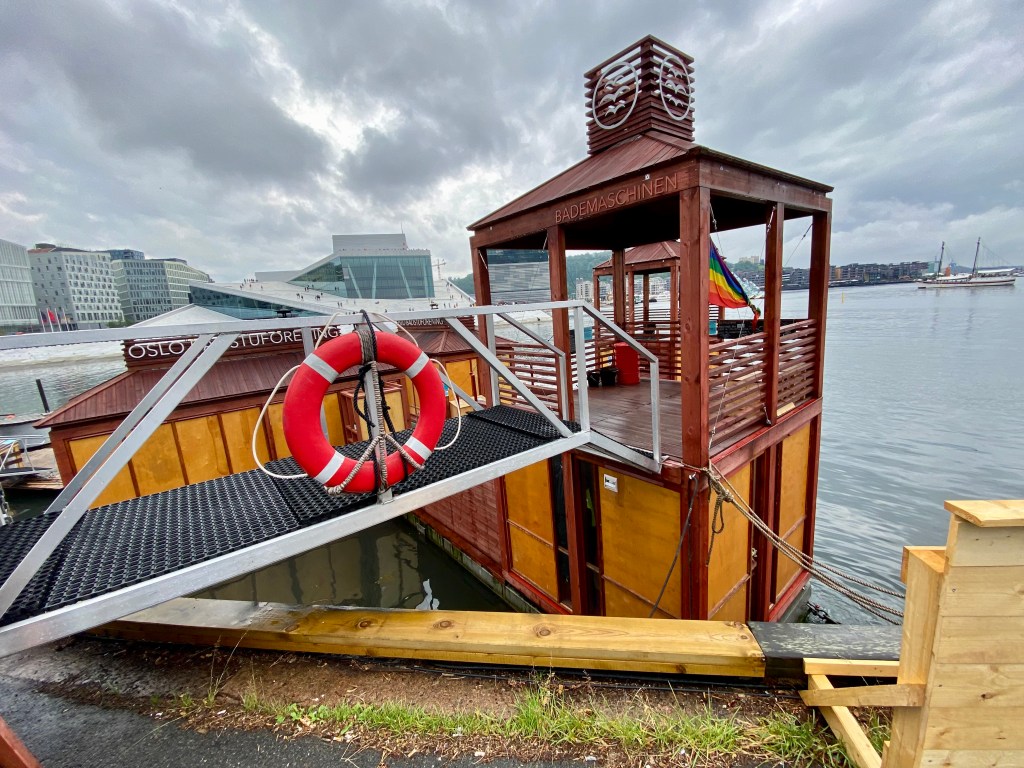
After a couple of hours wandering through the exhibit halls, our senses were overloaded so we decided it was time to try a Norwegian sauna in the fjord. We changed into our bathing suits and headed to the ”cooler” of the two saunas where we met two regulars from Oslo that were very friendly and provided some helpful advice. They were complaining that the fjord was too warm for them – a balmy 19C and that they preferred the winter days when they needed to chip off the ice. I don’t mind cold water but I’m thinking today’s temps are more to my liking. After spending a bit of time warming up in the sauna, it was time to take a leap of faith and get in the fjord. It was cool and refreshing but each time we went in, it felt less cold!

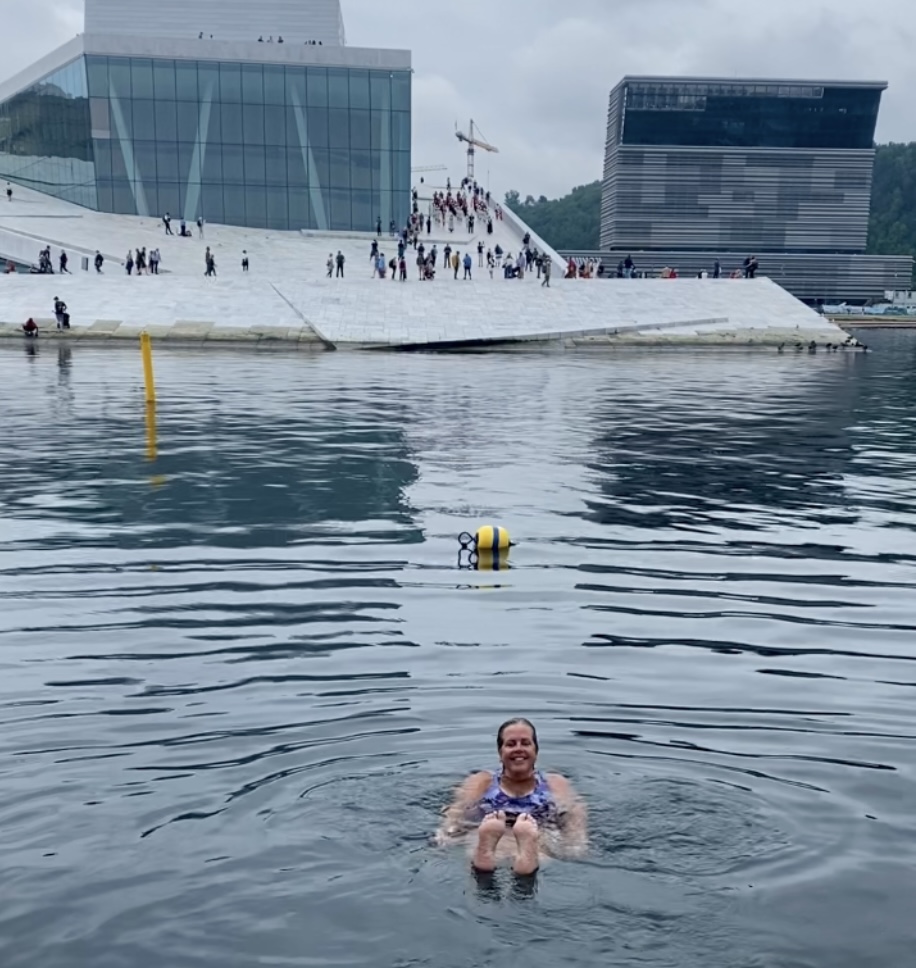
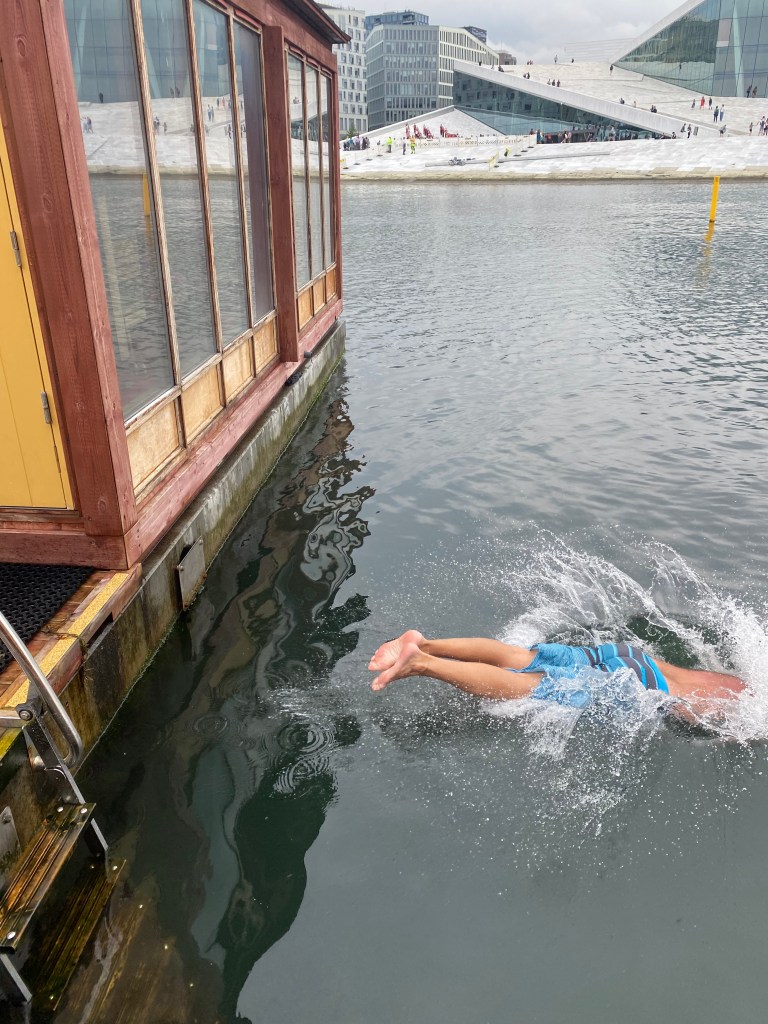
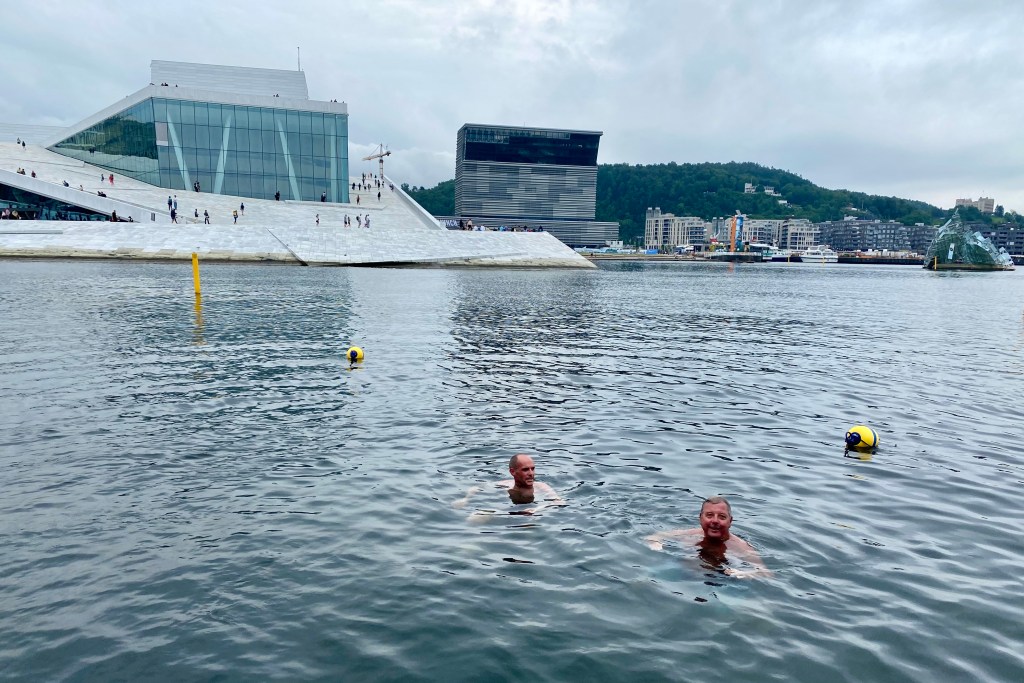
After about an hour and a half, we’d had enough and headed back to the hotel to drop off our wet suits and towels before heading to City Hall.


Oslo City Hall is a commanding building on the outside but inside is spectacularly beautiful. One of the guides on the —- room lead us through the artwork on the walls of the —- which is rife with history and symbolism. We managed to tour all the rooms before closing.
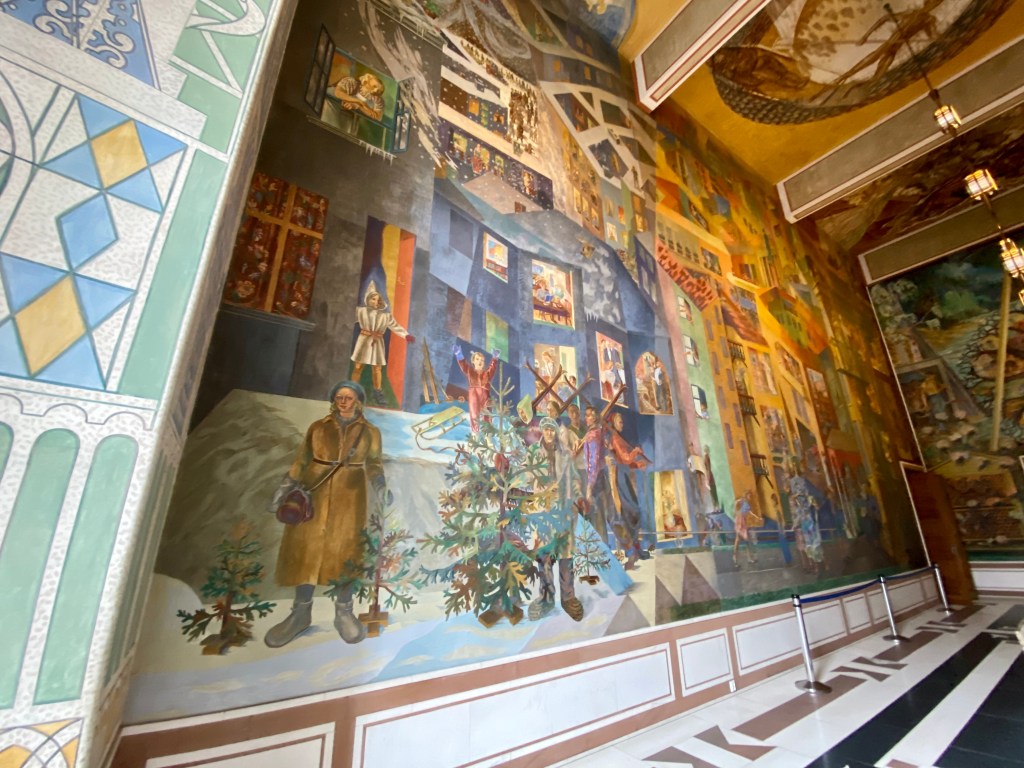
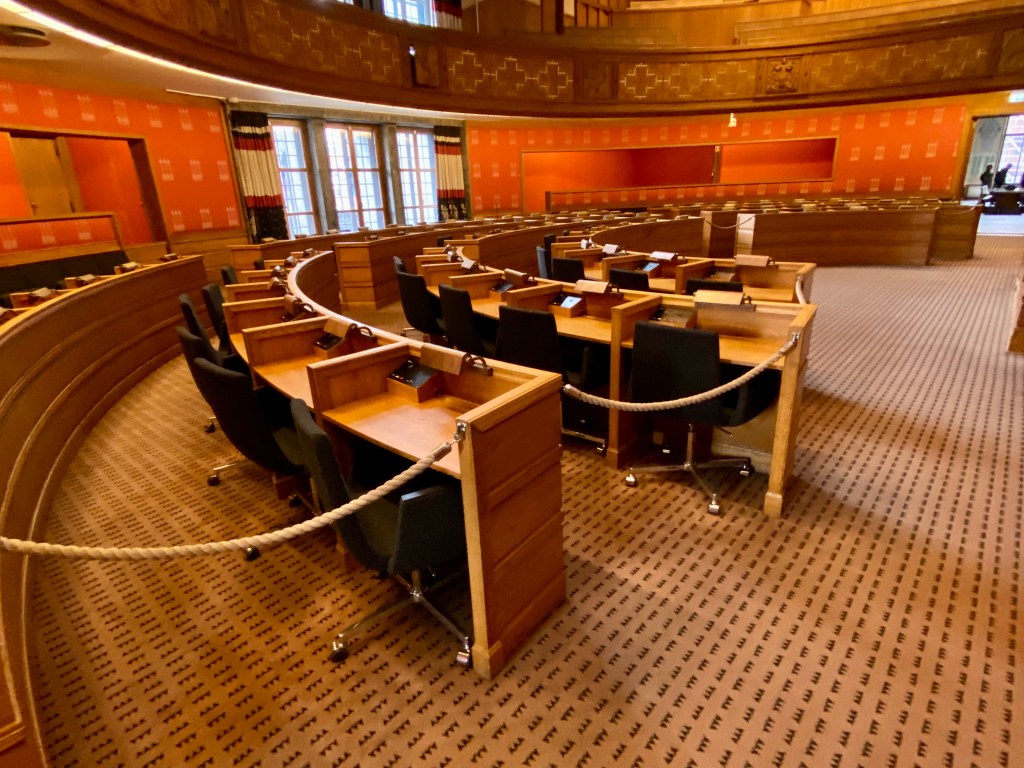
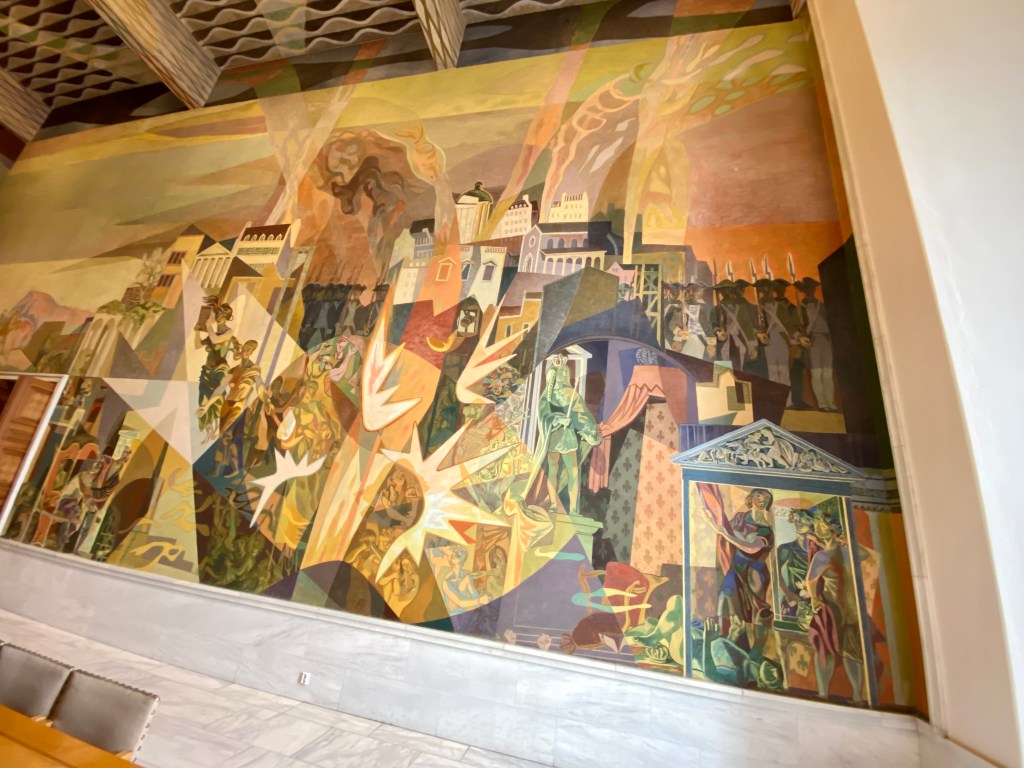
Inaugurated in 1950, Oslo City Hall is the city’s administrative body and the seat of the City Council. The building has been decorated by great Norwegian art from 1900-1950, with motifs from Norwegian history, culture and working life. Various events and ceremonies take place in the building, notably the Nobel Peace Prize ceremony that takes place every December.
The decoration in «Rädhushallen» features the artistry of Alf Rolfsen and Henrik Sorensen.


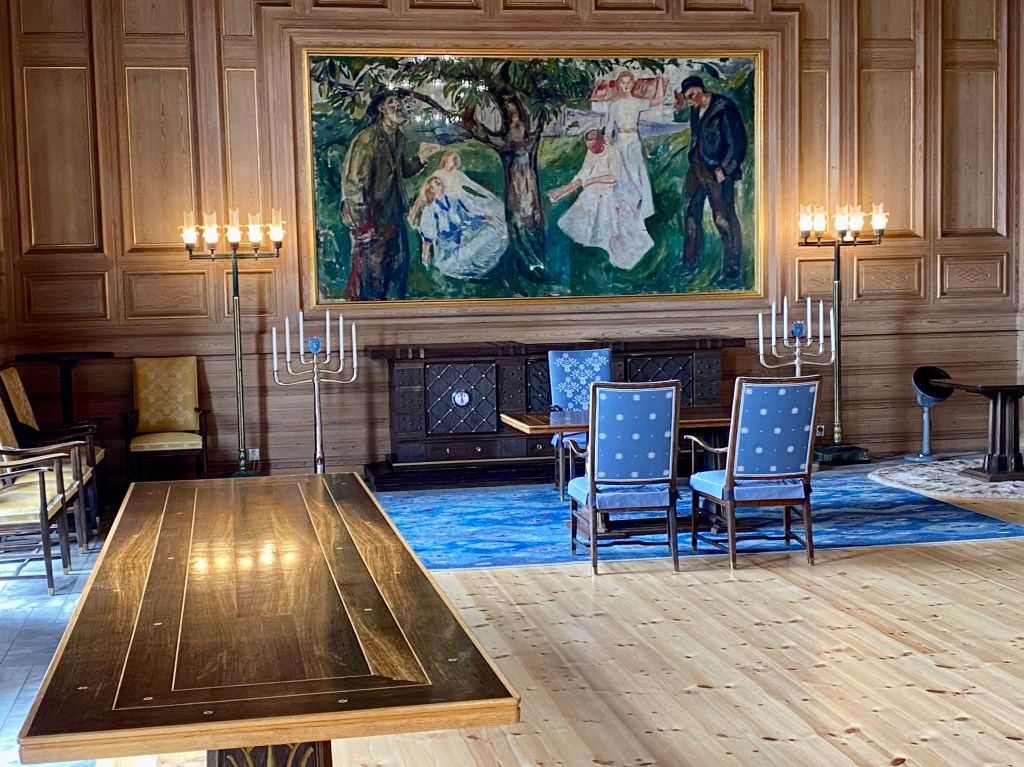
The City Hall is open to everyone and definitely worth a visit. The Munch Room, named after Norway’s most famous painter, Edvard Munch (1863 – 1944), is used for wedding ceremonies, press conferences and small receptions. Edvard Munch’s oil painting Life (1910) depicting the young and the elderly surrounding the tree of life dominates the room. It’s a favourite spot to get married with some 2000 weddings a year. The civil wedding ceremony lasts for 10-15 minutes and is carried out by the mayor, deputy mayor or municipal employees appointed by the city council. Weddings performed on Wednesdays, Thursdays or Fridays are free and if you want to get married on Saturday there’s a small fee.

The decorations are inspired by the history of Oslo and Norway.
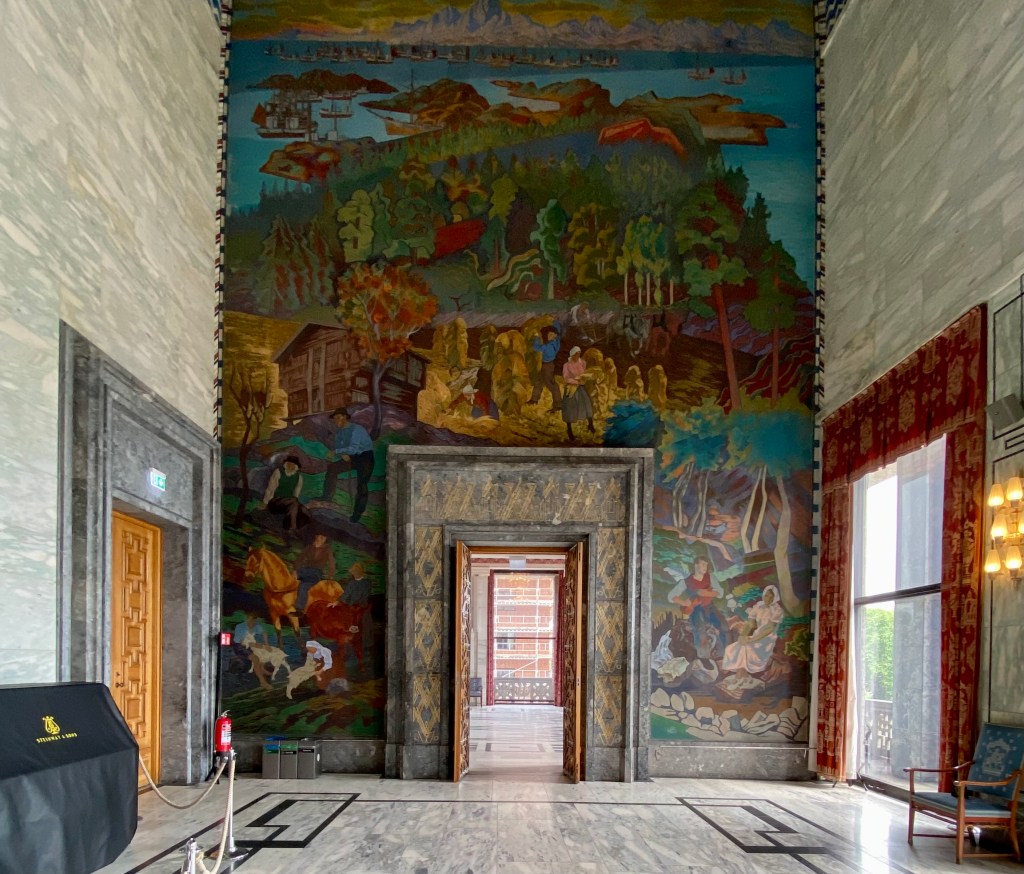
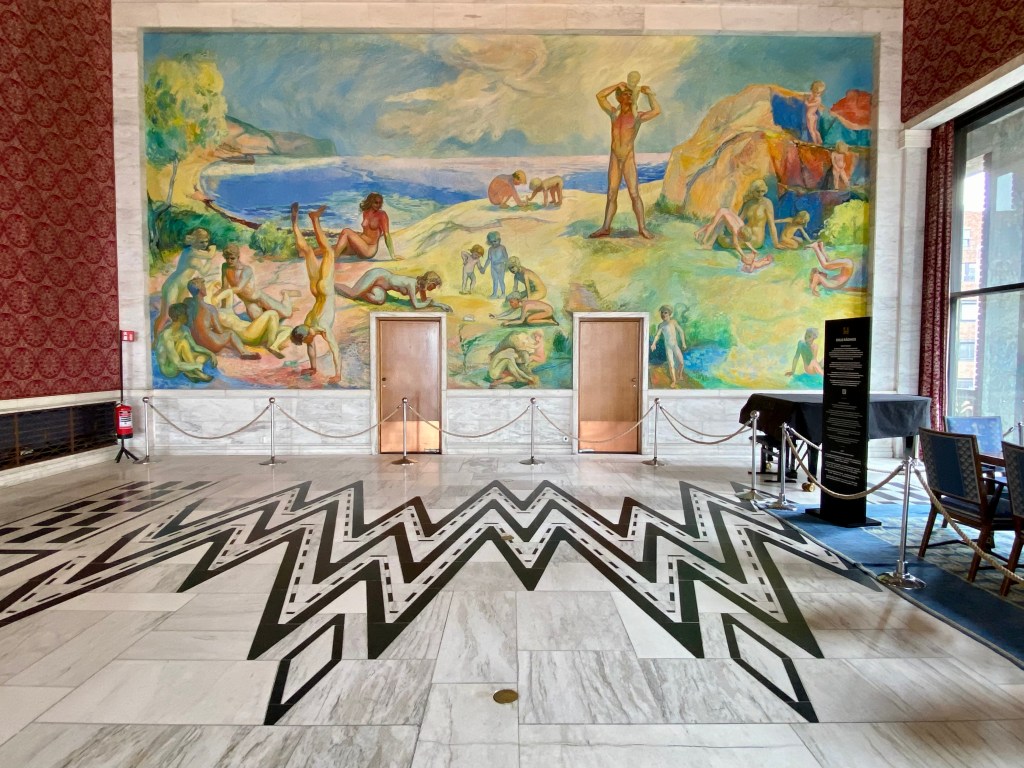
The north wall is covered by an oil painting by Willi Midelfart, featuring scenes of summer on the Oslo Fjord.


Parched, we dropped into our cafe from yesterday for a couple of glasses of Rosé before heading to the hotel for a bit of down time. We shared a few glasses of wine and then headed out for dinner and more wine! I’m sensing a pattern here …
Tomorrow we’re switching hotels, so steamer trunks are packed and we’re ready for more adventures …
 Judy’s Rambles
Enjoying your travels! Not a fan of cold water though………
LikeLike
So good!!!!
LikeLike